
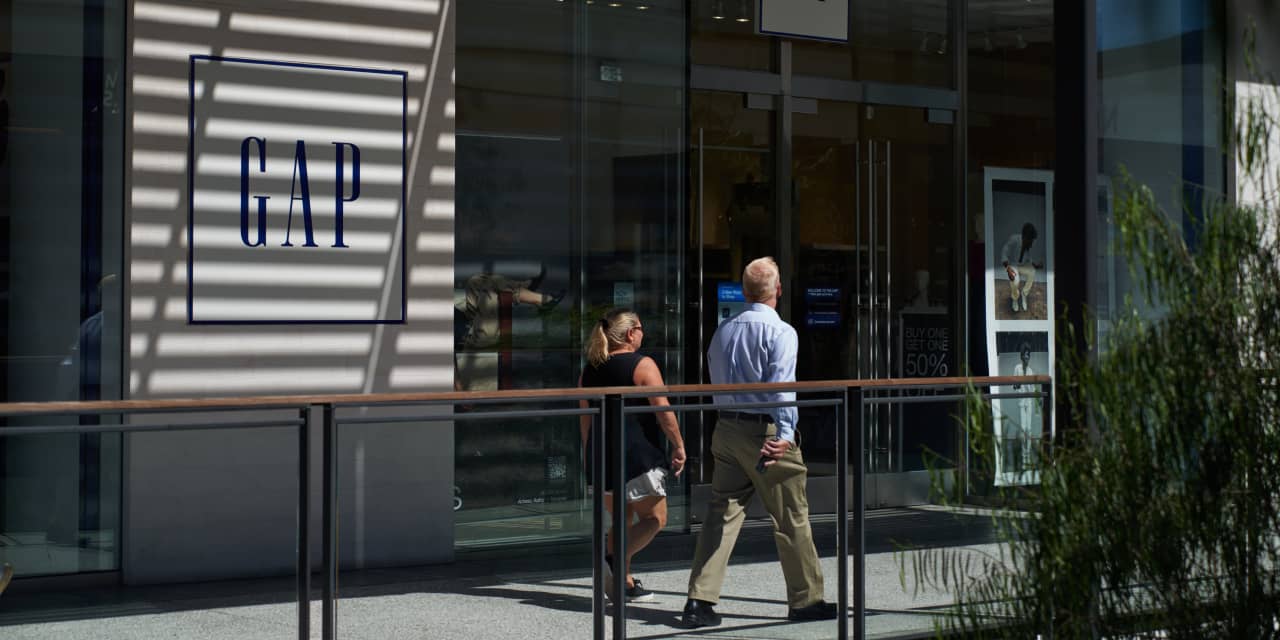
Gap inc. is experiencing a divergence in its customer base, with higher-income shoppers increasingly frequenting its namesake Gap stores, while Old Navy draws a larger share of lower-income consumers, the company revealed. This shift in spending patterns comes as Gap attempts to revitalize its brand ahead of the crucial holiday shopping period, navigating challenges like tariffs and rising living costs that disproportionately impact budget-conscious shoppers.The diverging trends highlight the widening economic disparities affecting retail spending. While affluent consumers demonstrate resilience, lower-income households are more sensitive to inflationary pressures, altering thier purchasing behavior. This dynamic presents a strategic challenge for Gap Inc., requiring tailored approaches for each brand to maximize sales and maintain market share. The company’s performance during the upcoming holiday season will be a key indicator of its ability to navigate these contrasting consumer behaviors.
According to recent reports, Gap has been working to improve its brand “vibe” in anticipation of the holiday season. However, Wall Street’s expectations remain high, and the company recently attempted to temper forecasts ahead of its quarterly results, a move that ultimately failed to prevent disappointment among investors.
the differing customer profiles between Gap and Old Navy reflect broader economic trends. Old Navy, positioned as a value-oriented retailer, naturally attracts shoppers seeking affordability, especially during times of economic uncertainty.Conversely,the Gap brand is attempting to appeal to a more discerning,higher-income customer base with a focus on quality and style.
