
TV’s Penultimate Episode Problem: Why Flashbacks Are losing Their Impact
NEW YORK, NY – Television writers are increasingly relying on penultimate flashback episodes to explain character motivations and past traumas, a tactic critics argue has become predictable and detrimental to pacing. A recent Vulture article highlights a growing trend of shows pausing momentum right before their finales to deliver extensive backstory, often centered around a shared inciting incident.
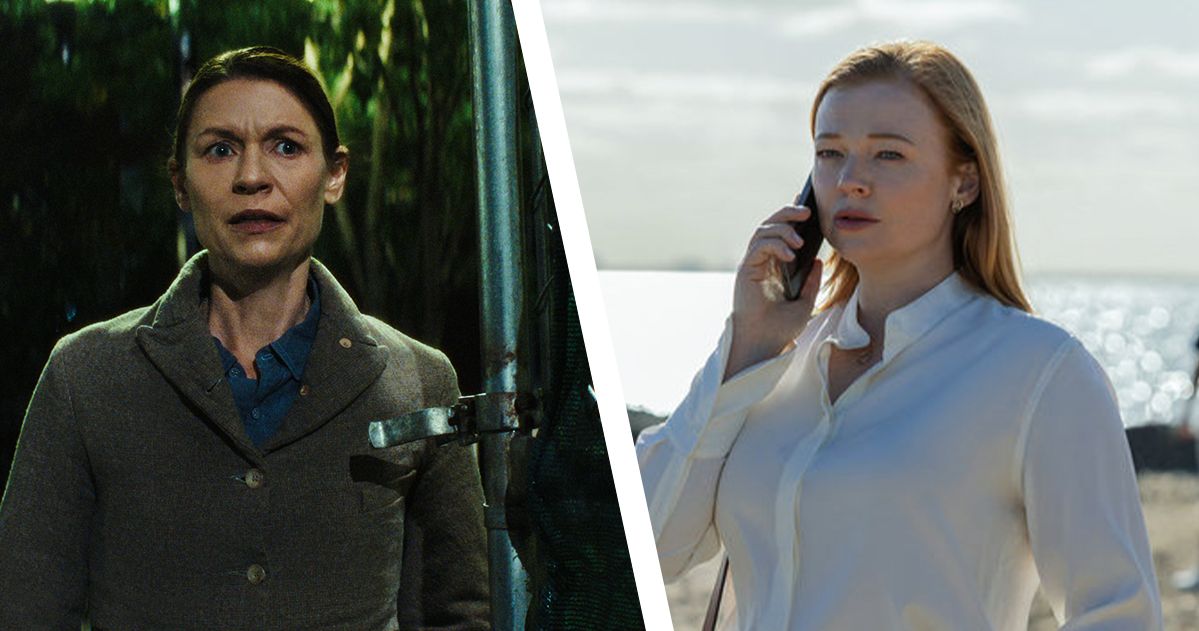
The piece points to two unnamed shows sharing a similar plot point – the death of a child in a car crash – as an example of this “awkward copy-paste job.” These episodes, rather than building anticipation for the finale, “halt the fun cliffhanger…to rewind the clock and introduce a new set of characters the audience has no interest in or attachment to.”
Though, the article notes that compelling storytelling doesn’t require this structure. Adolescence is praised for its “one-shot conceit” which avoids flashbacks, maintaining “thoughtful uncertainty.” The Lowdown successfully resolves a noir mystery without extensive backstory, and The Gilded Age clarifies character relationships through current-day exposition.
Flashbacks aren’t inherently flawed, the author concedes. The Pitt utilizes brief flashbacks as “in-text PTSD episodes” without making them central to the plot. The key difference, according to the article, is that the conflict in The Pitt stems from the experience of flashbacks, not the revelations within them.
Ultimately, the piece argues that overuse of the penultimate flashback has “drained away” its power, turning it into a “lazy delay tactic” that suggests “all complexity in human behavior can be explained with one neat backward-looking trick.”
