
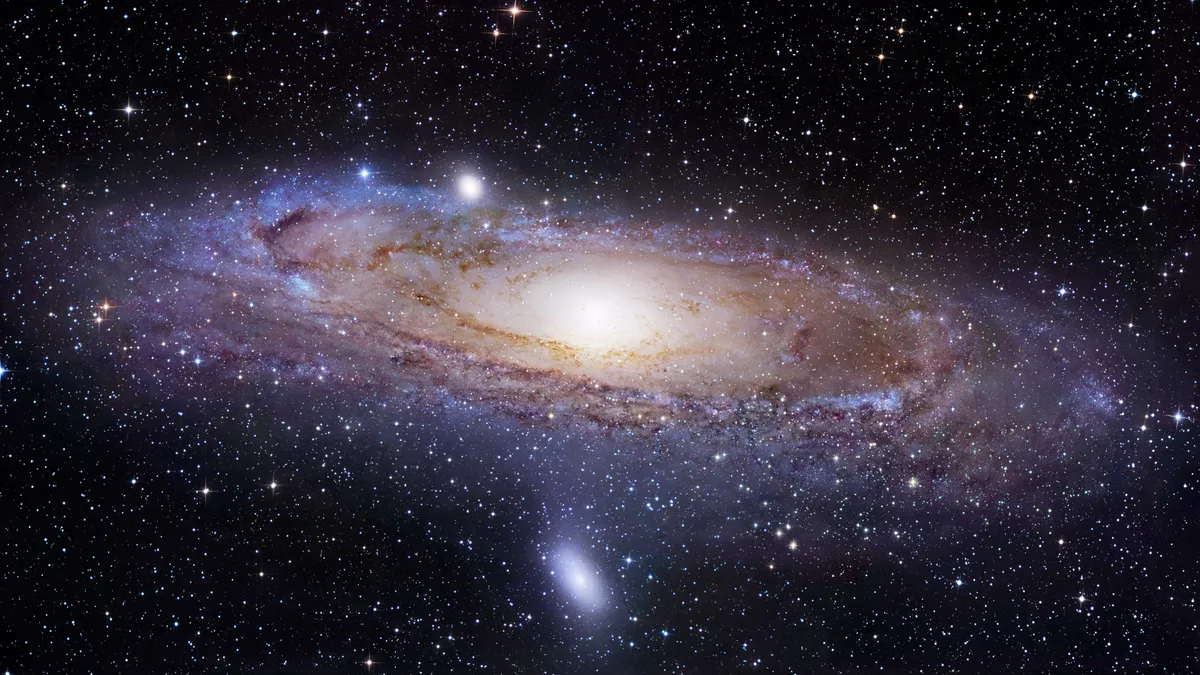
Universe Entering a “Quiet Phase” as Star Birth Declines, New Euclid Telescope Data Reveals
VANCOUVER, BC – November 21, 2025 – The universe is growing colder and more desolate as the rate of star formation slows, according to groundbreaking new data released today from the European Space agency’s Euclid telescope. Observations spanning billions of years indicate a steady decline in both the amount and temperature of dust within galaxies – a critical component for new star birth.
Launched in 2023, the euclid mission is charting a vast map of the cosmos from a stable position in the Sun-Earth system, examining billions of galaxies to understand the universe’s expansion, the influence of dark matter and dark energy, and the evolution of galactic structures.The latest data release, combining Euclid’s observations with infrared images from the Herschel Space Telescope, provides the most comprehensive picture yet of dust temperatures across 2.6 million galaxies.
A Canadian research team, analyzing the combined data, found that dust in ancient galaxies was significantly warmer approximately 10 billion years ago, averaging around 35 Kelvin. While still extremely cold by terrestrial standards, this represents a warmer state than current measurements reveal.
“Warmer dust means stars are born faster,” explains cosmologist Douglas Scott of the University of British Columbia. “Therefore, the young universe was much more active. According to researchers, this process has now slowed down. Less dust is produced in galaxies, so fewer new stars are formed.”
Dust, formed from the remnants of dying stars ejected through stellar winds and supernovae, plays a vital role in galactic evolution. Though a small fraction of a galaxy’s overall composition, it profoundly impacts star formation and chemical processes. The fundamental principle is clear: the more dust present, the easier it is for new stars to ignite.
However,current data unequivocally demonstrates a long-term trend: the amount and temperature of this crucial dust has been decreasing for billions of years. This decline is a slow, but demonstrably visible process, signaling a shift in the universe’s activity.
As Scott succinctly put it, “the universe’s heyday is over, and everything will get colder and quieter in the future.”
This research, detailed in a data package released by the Euclid consortium (available here: https://eceb.astro.uni-bonn.de/public/coordinated_release/hill_etal_q1b.pdf), offers a stark glimpse into the long-term fate of the cosmos – a future characterized by diminishing star birth and a gradual descent into a quieter, more desolate state.
