
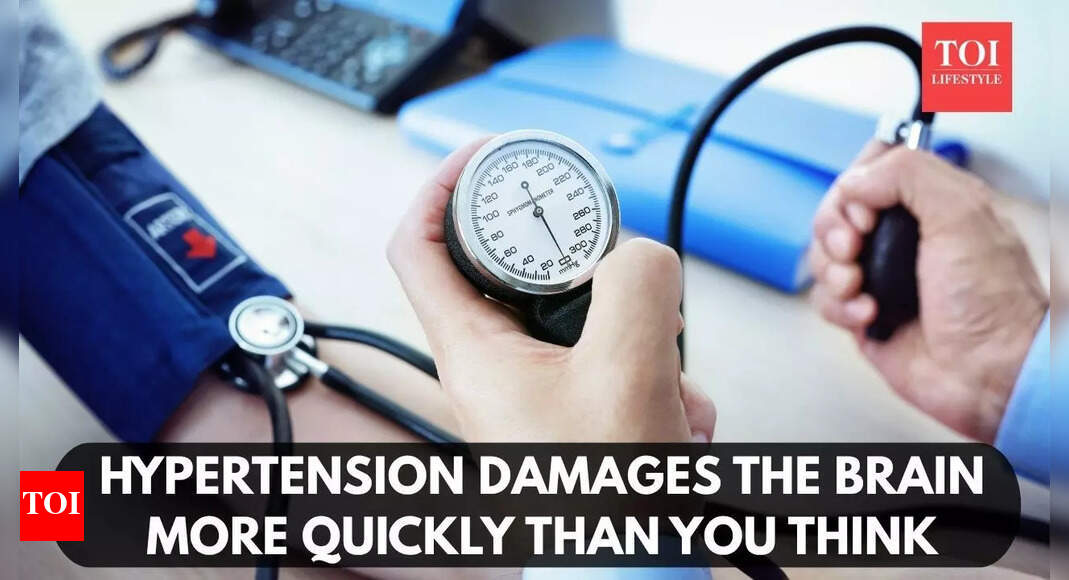
Silent Threat: Hypertension Linked to Undetected Brain Damage, Doctors Warn
New Delhi, India – November 15, 2025 – Uncontrolled high blood pressure, or hypertension, isn’t just a cardiovascular risk; it’s increasingly recognized as a significant contributor to silent, progressive brain damage, leading neurologists to urge proactive monitoring and lifestyle adjustments. Doctors report that manny individuals experience no overt symptoms while hypertension quietly impairs cognitive function and increases the risk of stroke and dementia.
Hypertension affects an estimated 1.13 billion people globally, according to the World Health Organization, and its insidious impact on brain health is often overlooked. This poses a growing public health concern as populations age and lifestyle factors contribute to rising rates of the condition. Early detection and management are crucial to mitigating long-term neurological consequences, and experts emphasize that preventative measures and regular check-ups can dramatically alter a patient’s trajectory.
“The brain is incredibly vulnerable to the damaging effects of consistently elevated blood pressure,” explains Dr. Anya Sharma, a leading neurologist at All india Institute of Medical Sciences (AIIMS). “Over time, hypertension weakens blood vessels in the brain, reducing blood flow and leading to both microscopic white matter lesions and more significant vascular damage. These changes often occur without any noticeable symptoms until a major event like a stroke happens, or cognitive decline becomes apparent.”
These silent changes can manifest as subtle difficulties with memory, concentration, and executive functions – skills essential for planning and problem-solving. Research published in Stroke journal in 2024 demonstrated a direct correlation between long-term, uncontrolled hypertension and a 30% increased risk of vascular dementia.
Doctors recommend several key strategies to protect brain health:
* regular Blood Pressure Monitoring: Individuals should check their blood pressure at least twice a year, or more frequently if they have risk factors like family history, obesity, or diabetes.
* Healthy Lifestyle: A diet rich in fruits, vegetables, and whole grains, coupled with regular physical activity (at least 30 minutes most days of the week), can significantly lower blood pressure.
* Stress Management: Chronic stress elevates blood pressure. Techniques like meditation, yoga, and deep breathing exercises can help manage stress levels.
* Medication Adherence: For those prescribed medication for hypertension, consistent adherence to the prescribed regimen is vital.
* Limit Sodium Intake: Reducing salt consumption is a cornerstone of blood pressure control.
The rising prevalence of hypertension and its hidden neurological consequences underscore the importance of prioritizing preventative healthcare and raising awareness about the silent threat it poses to brain health. Neurologists are advocating for increased public health initiatives focused on early detection and lifestyle interventions to safeguard cognitive function and reduce the burden of hypertension-related dementia.
