
Armero‘s Echo: Survivors Recall ‘Everything Was Erased’ as volcanic Threat Remains 40 Years Later
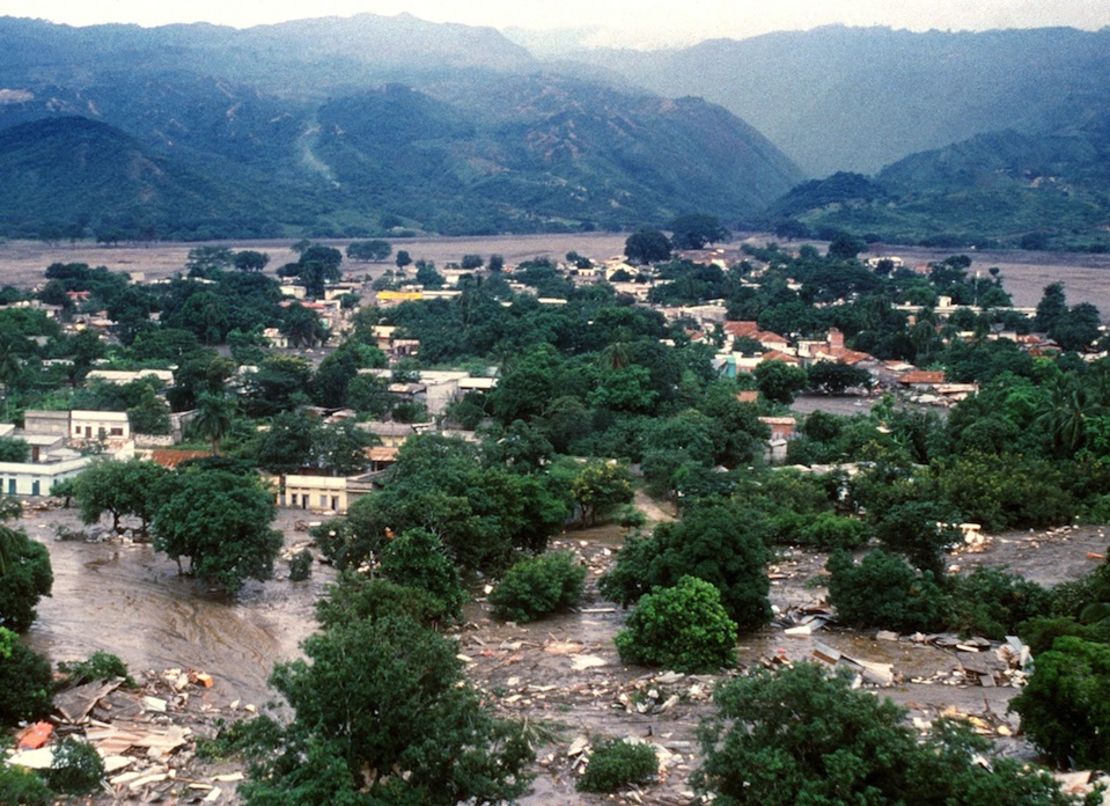
ARMERO, COLOMBIA – Forty years after the Nevado del ruiz volcano unleashed a catastrophic lahar that buried the Colombian town of Armero, survivors are sharing harrowing memories of a night “everything was erased,” while experts warn that similar communities remain vulnerable to volcanic disaster. The November 13, 1985, tragedy claimed an estimated 25,000 lives, becoming one of the deadliest volcanic events in recorded history.
Diana Jiménez watched the unfolding devastation from her aunt’s house in Guayabal, struggling to comprehend the scale of the loss – the disappearance of friends and a way of life. Gerardo Criales witnessed the obliteration firsthand, emerging from his rooftop to find Armero vanished. “Armero is an unresolved grief and a longing for a land like no othre,” says geologist Gloria Patricia Cortés,reflecting the enduring pain felt across Colombia.
The Armero tragedy spurred significant advancements in volcanological monitoring and risk management. In the wake of the disaster, the Colombian Geological Service (SGC) spearheaded years of research, becoming a pioneer in volcano observation. The event also lead to the formation of VDAP, the Volcanic Disaster Assistance Program, and fostered ongoing collaboration with the United States Geological Survey. This scientific progress, born from immense loss, aims to prevent similar catastrophes globally.
Despite these advancements,the threat persists. Towns like Honda, located approximately 50 km from Armero, face potential devastation from future lahars flowing down the Gualí River. “You have to see and understand the signs,” emphasizes Criales, now a member of the Armero Vive memory and readiness working group. Jiménez echoes this sentiment, stating, “We cannot continue making the same mistakes.”
Geologists are working to ensure warnings issued by the SGC are heeded, preventing another “gray spot of death.” Cortés affirms, “We do not wont it to be repeated either in Colombia or anywhere in the world.” the lessons of Armero, etched in the memories of survivors and the dedication of scientists, serve as a critical reminder: proactive prevention, informed by scientific understanding, is the only path to safeguarding communities living in the shadow of volcanoes.
