
T. rex’s Reign Challenged: ’Nanotyrannus‘ Discovery Rewrites Dinosaur History
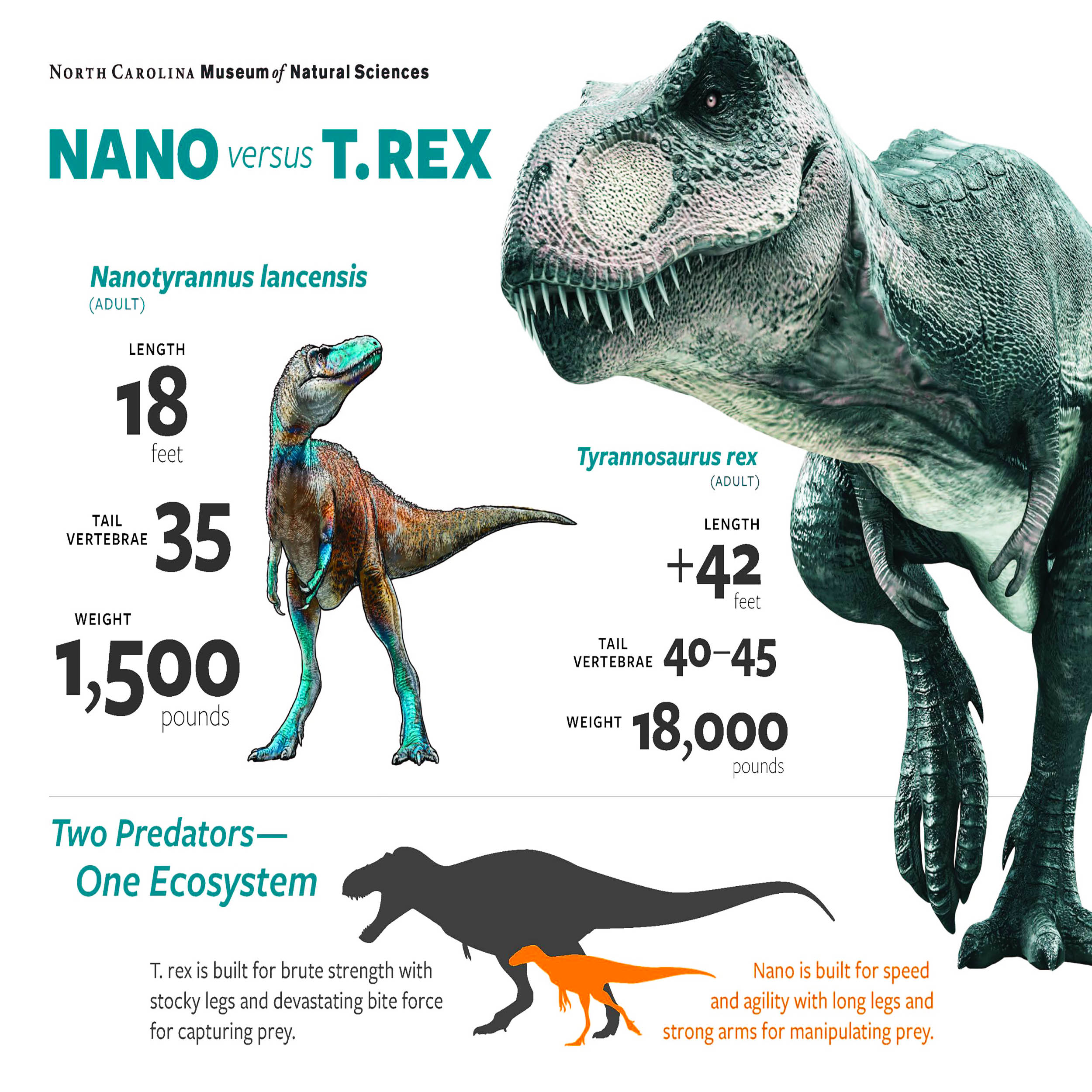
RALEIGH, NC – A decades-long debate in paleontology has reached a stunning conclusion: the widely accepted idea of juvenile Tyrannosaurus rex is incorrect. New research, published today in Nature, confirms that fossils previously identified as young T. rex actually represent a distinct, smaller tyrannosaur species, Nanotyrannus lancensis, revealing a more complex and competitive ecosystem during the final days of the dinosaurs.
For years, paleontologists have argued over the identity of smaller tyrannosaur fossils found alongside the massive T. rex. The prevailing theory suggested these were simply adolescent T. rex specimens. Though,a detailed analysis of fossilized bones – including a remarkably preserved right hand from the N.C. Museum of Natural Sciences – demonstrates clear anatomical differences, indicating Nanotyrannus was a fully grown, separate species. This discovery fundamentally alters our understanding of the late Cretaceous period, suggesting T. rex didn’t dominate unchallenged.
“this discovery paints a richer, more competitive picture of the last days of the dinosaurs,” said Lindsay Zanno, led author of the study and paleontologist at the N.C. Museum of Natural Sciences. “With enormous size, a powerful bite force and stereoscopic vision, T. rex was a formidable predator, but it did not reign uncontested. Darting alongside was Nanotyrannus – a leaner, swifter, and more agile hunter.”
The research centers on a fossil discovered in Montana, showcasing bite marks from both T. rex and Nanotyrannus on the same prey – a testament to their co-existence and potential conflict. This evidence, combined with rigorous bone analysis, definitively establishes Nanotyrannus as a distinct predator. The findings suggest the Cretaceous wasn’t ruled by a single tyrant, but by multiple hunters with competing strengths, creating a more delicate balance of power than previously imagined.
The study was supported by the State of North Carolina, NC State University, the Friends of the North Carolina Museum of Natural Sciences, and the Dueling Dinosaurs Capital Campaign. the confirmation of Nanotyrannus not only rewrites dinosaur history but also opens new avenues for research into the ecological dynamics of the Late Cretaceous period and the factors that ultimately led to the extinction of these grand creatures.
