
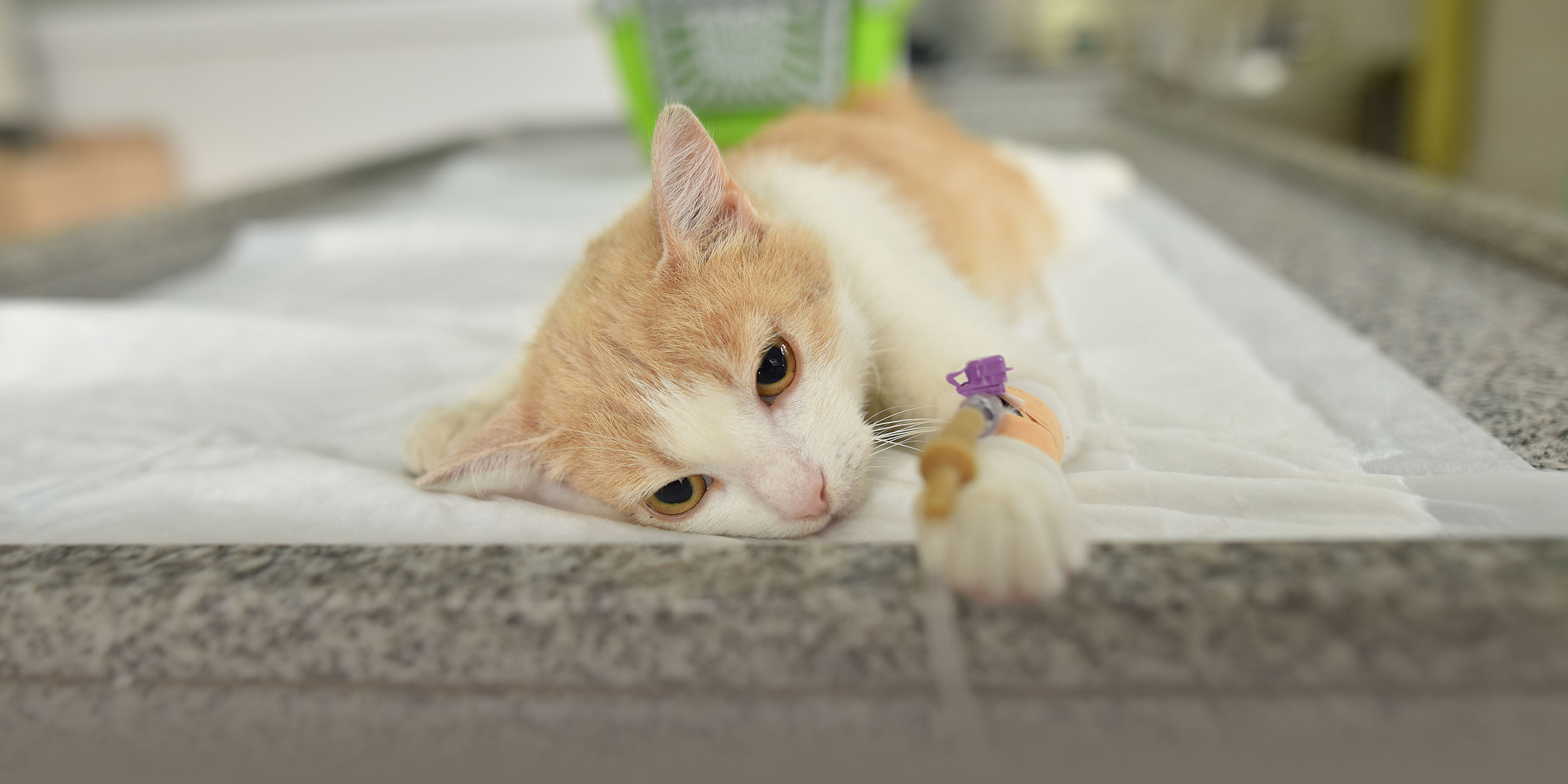
Illegal Pet Blood Trade Sparks Outrage in China
A recent whistleblower report has ignited public outcry in China over the alleged farming of cats for their blood, used for transfusions due to a lack of regulated animal blood donation systems. The whistleblower detailed discovering the practice after her own cat died from an infection following a blood transfusion sourced from a “partner” animal blood bank recommended by a veterinary hospital in Guangzhou.
Currently, veterinary hospitals and clinics in China rarely provide animal blood, and a national, coordinated pet blood donation system is absent. This scarcity has led some hospitals to rely on unofficial sources. The whistleblower alleges cats specifically bred for blood extraction are referred to by veterinary staff as xuemao – “blood cats.” She claims a single cat can yield three to four 10-milliliter bags of blood,each sold for 800 yuan ($112).
The Guangzhou Forestry and Parks Bureau confirmed awareness of the allegations and announced an investigation on October 28th. This incident echoes previous accusations leveled against Guangzhou’s Weitexin Pet Hospital in 2023. A former intern claimed staff were instructed to draw blood from boarded pets without owner consent, later selling the blood.
An investigation following those claims found a branch of Weitexin had sold “animal products” worth 14,400 yuan to a biotechnology firm. The clinic was fined 4,320 yuan and has since closed.weitexin has not responded to requests for comment.
In the absence of readily available,regulated blood supplies,Chinese pet owners frequently enough rely on informal “pet mutual aid” networks – agreements between individuals to donate blood between pets in need. Though, these networks are insufficient for emergencies requiring large volumes of blood, such as significant blood loss or cases of liver or blood disorders, forcing owners to seek blood through online commercial networks.
China currently lacks comprehensive national animal rights legislation, though existing laws address animal cruelty under certain circumstances. Public acts of brutal cruelty, particularly those attracting attention, can be penalized under the Law of the People’s Republic of China on Penalties for Management of Public Security. Cases involving protected species may also lead to criminal charges. The incident has amplified calls for stronger anti-animal cruelty legislation.
Responding to public concern, the Guangzhou Animal Veterinary Association issued a proposal on October 28th, urging all veterinary institutions in the city to reject blood of unknown origin and adhere to the “Technical Specifications for Canine and feline Whole Blood Transfusions,” a code of conduct issued by the Chinese Veterinary Association.
