
Summary of the Dutch Election Results & Political landscape
This text details the results of a recent Dutch election and the resulting political uncertainties.here’s a breakdown of the key takeaways:
Election Results & Shifts:
* D66 Surge: The center-liberal D66 party experienced a surprising and notable increase in support, tripling its parliamentary seats to 26 – tying with Geert Wilders’ PVV.
* PVV Decline: While still achieving a strong result (26 seats), the Freedom Party (PVV) led by Geert wilders saw a decline from its previous high of 37 seats.
* No majority: No single party secured a majority (76 seats), necessitating a coalition government. At least five parties will likely be needed.
Key Voter Concerns:
* Housing Affordability: The housing crisis is a primary concern for voters and will be a major challenge for the new government.
* Healthcare System: The state of the healthcare system is also a significant worry.
* Immigration Policy: Immigration is a highly divisive issue, driving much of the political debate. Voters are concerned about the country’s capacity to absorb new arrivals.
Party positions & Potential Coalitions:
* D66 (Rob Jetten): Positions itself as progressive, focusing on green energy, urban advancement (including building ten new cities), and preventative healthcare. Jetten frames the result as a victory for “positivism and progress.”
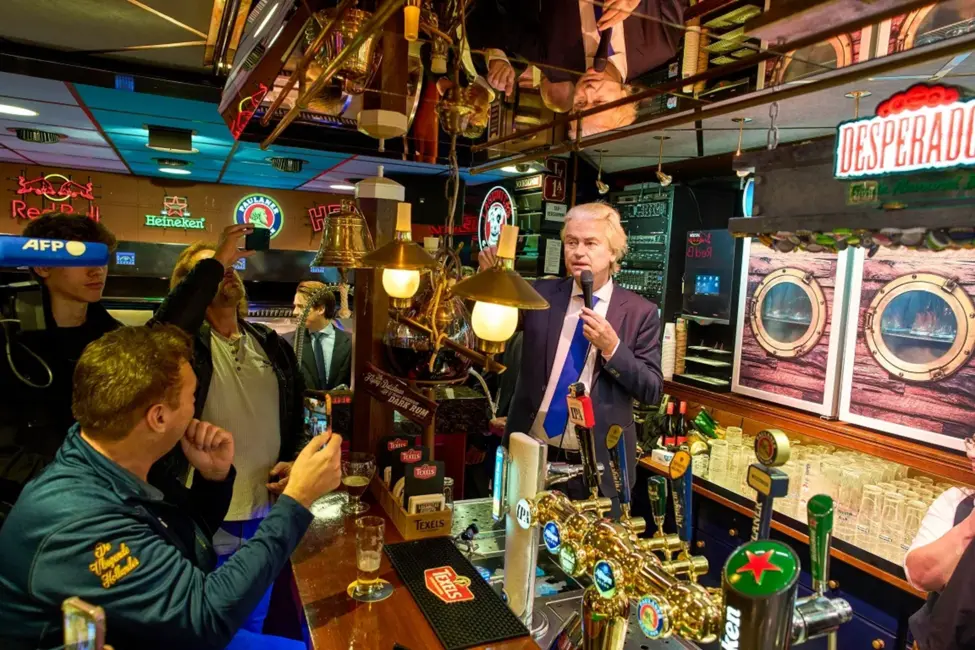
* PVV (geert Wilders): Campaigned on curbing illegal immigration. However, Wilders acknowledges the difficulty of forming a coalition due to his hardline stance and previous coalition failures. He is highly likely to remain in opposition.
* Potential Coalition Partners: The Christian Democratic Call (CDA) and the People’s Party for Freedom and Democracy (VVD) are mentioned as potential partners, but skepticism remains regarding cooperation with Wilders.
Immigration Policy Details:
* Growing Concerns: Public concern is rising regarding immigration levels, with 16% of the dutch population born abroad (higher in major cities).
* Stricter Regulations: Recent legislation has introduced stricter requirements for skilled migrants, aiming to balance labor shortages with public anxieties.
Future Challenges:
* Housing Crisis: Addressing the housing crisis remains a top priority.
* Healthcare System: Improving the healthcare system is crucial.
* Political Uncertainty: Forming a stable coalition will be complex and challenging,given the fragmented results and differing ideologies.
In essence,the election reflects a desire for change and a focus on practical issues like housing and healthcare,while also highlighting the ongoing debate surrounding immigration. The outcome creates a complex political landscape with no clear path forward for government formation.
