
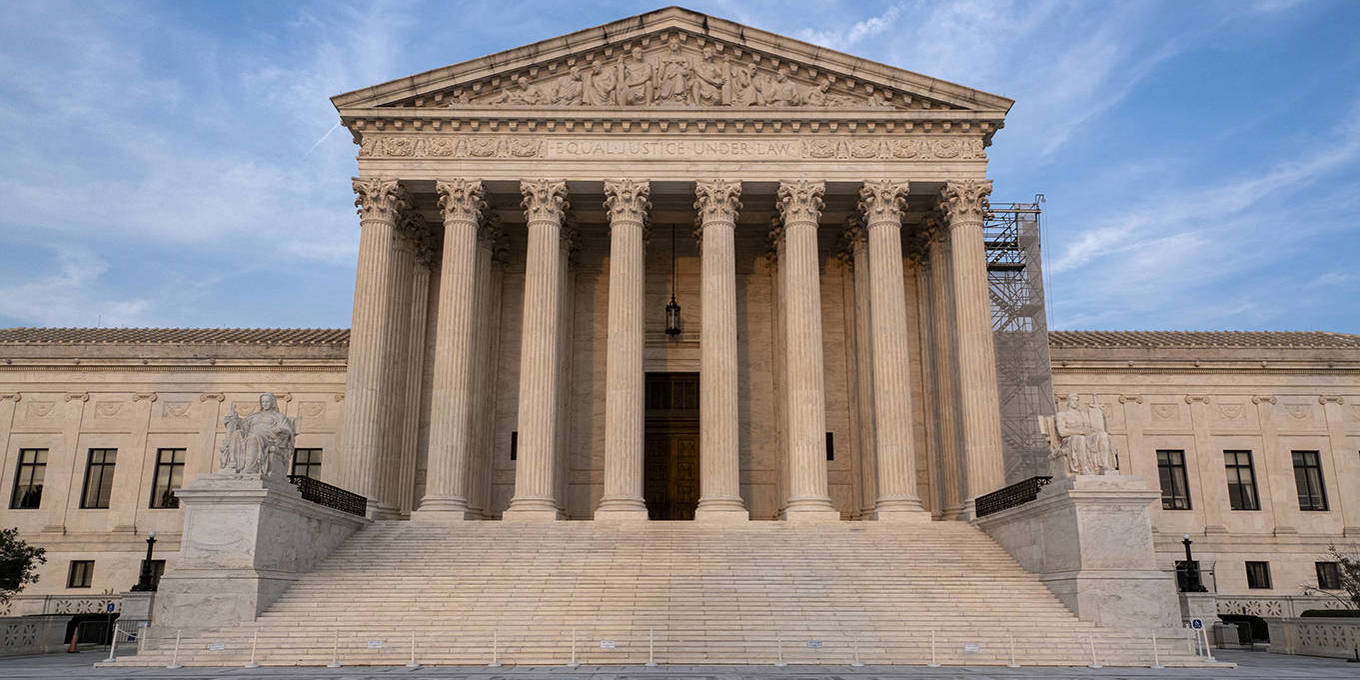
Supreme Court Case Threatens to Expand Presidential Economic Powers, Economists Warn
WASHINGTON, D.C. - A case before the U.S.Supreme Court, set for oral arguments on November 5th, could dramatically expand the economic powers of the presidency, possibly allowing future administrations to unilaterally impose tariffs, enforce global tax policies, or even restrict cryptocurrency trading. The challenge centers on tariffs imposed by former President Donald Trump under the International Emergency Economic Powers Act (IEEPA).
Economists are sounding the alarm, arguing that upholding Trump’s actions would grant future presidents a dangerous level of unchecked authority. In an amicus brief signed by dozens of economists spanning the ideological spectrum, they contend the tariffs were unlawful and that affirming their legality would set a troubling precedent. The case, Learning Resources Inc. v. Trump and Trump v. V.O.S. Selections Inc., isn’t simply about the specific tariffs levied; it’s about the scope of presidential power in economic matters.
The core issue is whether IEEPA, originally intended for responding to genuine national emergencies, can be used to address perceived unfair trade practices – a move critics argue stretches the law beyond its intended purpose. If the Court sides with Trump, it could open the door to a wide range of economic interventions justified under the guise of “emergency” powers.
“Why couldn’t an administration use IEEPA tools to enforce a global minimum corporate tax or effectively ban crypto trading?” ask Simon Johnson and Stan A. Veuger, highlighting the potential for overreach. The implications extend far beyond trade, impacting businesses, consumers, and the delicate balance of power between the executive and legislative branches. A ruling in favor of the Trump administration would effectively hand future presidents a “loaded gun” of economic authority, they warn.
