
WTO Chief Highlights Trade System’s Unexpected Strength Amid Global Disruptions
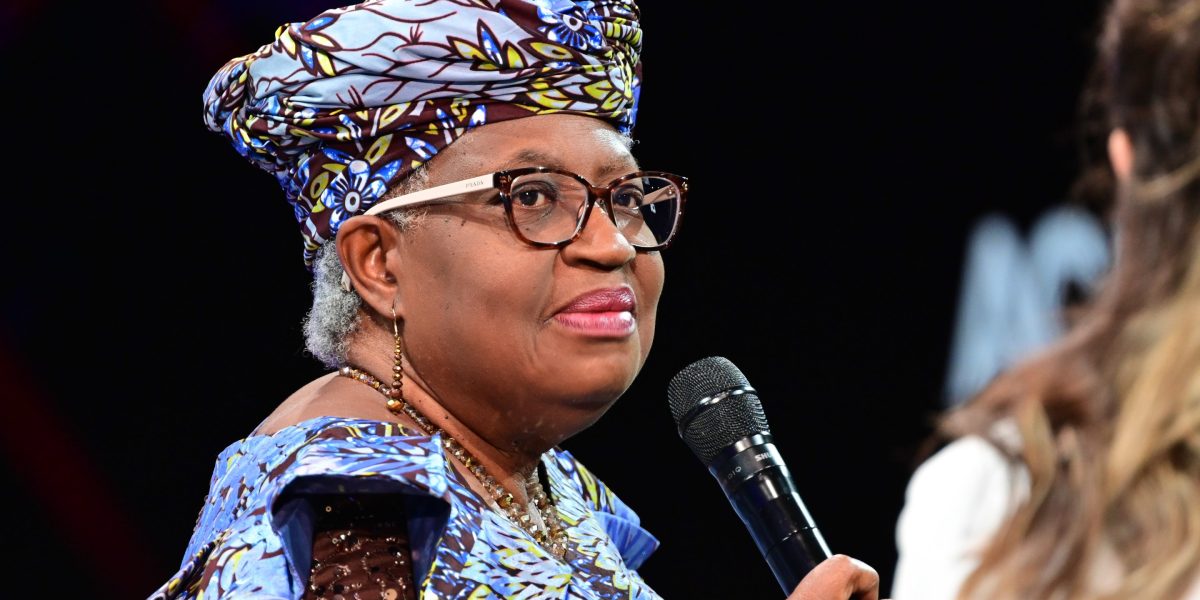
Dr. Ngozi Okonjo-Iweala, Director-General of the World Trade Organization (WTO), has acknowledged the current period as a time of significant global trade disruption, comparable in scale to the protectionist era of the 1930s. Though, she expressed surprise and satisfaction with the resilience demonstrated by the multilateral trading system, preventing a full-scale repeat of past protectionism.
Speaking on the challenges facing global commerce, Dr. Okonjo-Iweala noted that, despite escalating geopolitical tensions and economic uncertainties, a widespread “tit-for-tat” escalation of tariffs and trade barriers, characteristic of the interwar years, has largely been avoided. She specifically praised WTO members for continuing to trade with each other, predominantly under established WTO rules.
While recognizing the United States’ challenges to existing trade regulations and its circumvention of dispute settlement mechanisms – a nation accounting for nearly 30% of global imports – the Director-General emphasized the continued relevance of the WTO framework. She stated that 87% of world trade remains governed by WTO disciplines, a figure that “surprised and pleased” her and her team.
Dr. Okonjo-Iweala outlined an ambitious agenda for WTO reform, centered on modernizing the organization’s consensus-based decision-making process. While acknowledging the merits of requiring unanimity among its 166 members, she admitted the system can lead to stagnation, stating, “sometimes you really get stuck.” She stressed that successful reform ultimately rests with the members themselves.
Increased transparency in subsidy reporting and trade practices is also a key component of her reform plan.Dr. Okonjo-iweala underscored the importance of a “level playing field,” arguing that perceived unfairness undermines the entire system.
The Director-General described the WTO’s function as essential, yet frequently enough unseen, infrastructure for the global economy – “the plumbing” – supporting trillions of dollars in commerce through standards related to intellectual property, valuation of goods, and other crucial areas. She highlighted the particular reliance of smaller economies on this rules-based system, noting that 142 of the 166 WTO members have trade-to-GDP ratios exceeding 50%.
Looking ahead,Dr. Okonjo-Iweala emphasized the need to address the rapidly growing impact of digital trade and artificial intelligence (AI). She pointed out that approximately 40% of global trade in the past year involved AI-related goods, including semiconductors and advanced computing, and that digitally delivered services are currently valued at nearly $5 trillion, growing at an annual rate of 8% – double the growth rate of trade in physical goods.
The WTO is currently facilitating negotiations on a landmark e-commerce agreement involving nearly 70 members, with a first phase expected by the March 2026 ministerial conference. This agreement aims to establish new global rules to accommodate the evolving landscape of digital commerce.
Dr.Okonjo-Iweala concluded by framing the current challenges as an prospect for renewal,suggesting that the global economy is poised for necessary updates to its underlying trade infrastructure. She acknowledged that this “rewiring of the plumbing” will be a complex and possibly costly undertaking.
