
The Unseen Ripple: How Our Drug Use is Changing the Ocean – adn Beyond
We often discuss the personal and societal costs of drug addiction, but rarely consider the far-reaching ecological consequences. This isn’t a sensationalized horror story, but a growing understanding of how our global drug habits are leaving a lasting mark on the environment.
Recently, a team of scientists ventured into the waters off Rio de Janeiro, not to study shark behavior, but to investigate the impact of human drug consumption. Their goal: to understand how our choices are affecting the delicate balance of marine ecosystems and to explore new avenues for encouraging a broader awareness of the environmental price of addiction.
Cocaine use is currently experiencing a global resurgence. Across the United States and internationally, emergency rooms are seeing increased visits, poison control centers are fielding more calls, and overdose rates are climbing. Compounding the problem,cocaine is increasingly being adulterated with more dangerous substances,including heroin and fentanyl,raising the stakes for users.
But the impact extends far beyond those directly involved. Drugs like cocaine, and its breakdown product benzoylecgonine, are increasingly detected in waterways near urban centers. As humans metabolize these substances, they are excreted through urine and feces, entering wastewater treatment systems and ultimately flowing into rivers, lakes, and the ocean.
While public health officials are concerned about potential health risks from consuming trace amounts of cocaine in drinking water, current research suggests the concentrations are too low to cause acute effects like overdose or even a noticeable buzz. However, the long-term effects of chronic, low-level exposure remain largely unknown. We simply lack the data to definitively declare these levels harmless.
The real concern lies with the ecosystem itself.Studies indicate that a wide range of aquatic life – from fish and algae to larger predators – are sensitive to the presence of these drugs.
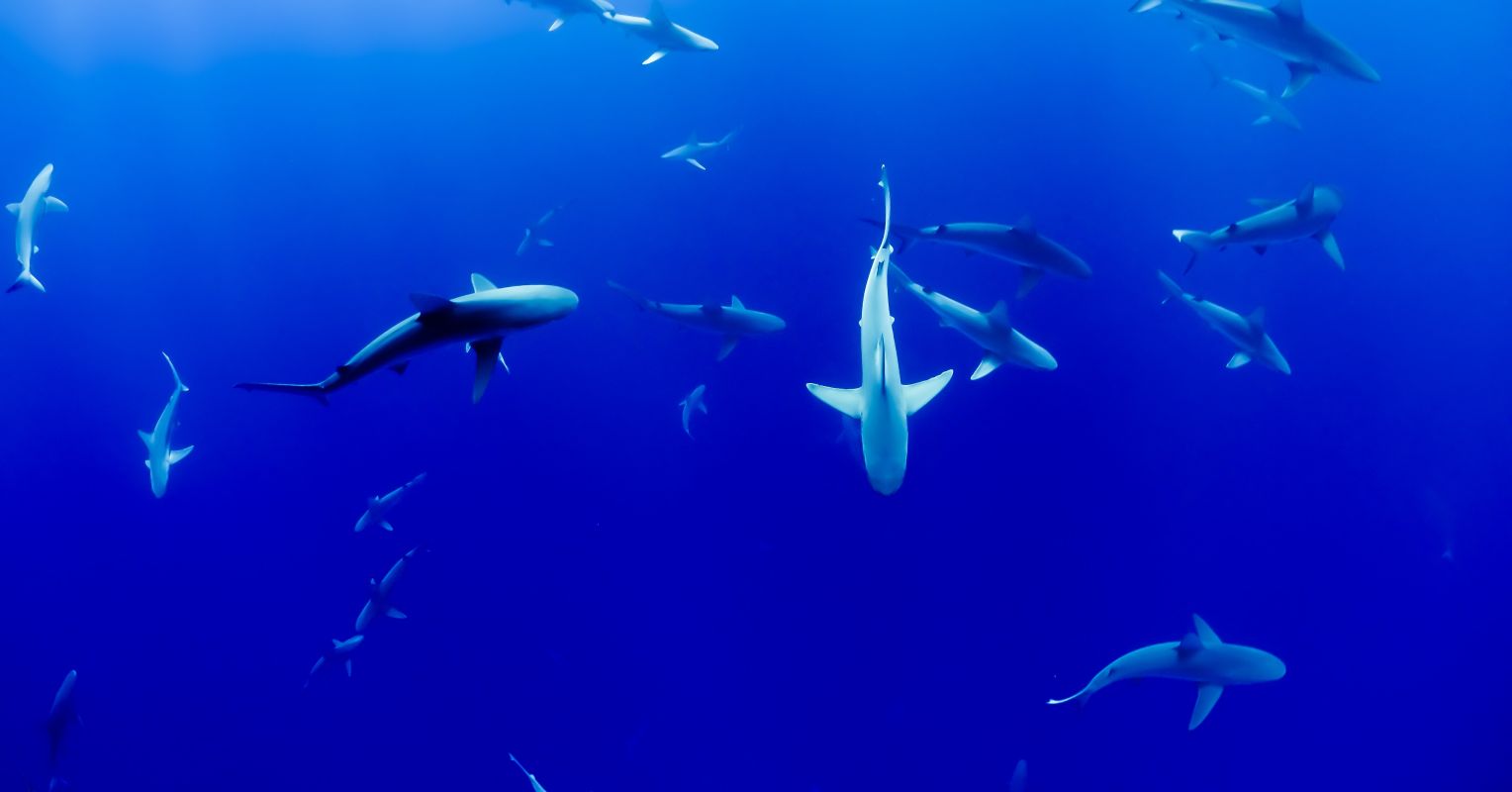
The Brazilian shark study dramatically illustrated this point. Every single shark tested carried traces of cocaine, and at levels significantly higher than those found in other aquatic animals. This is likely due to a combination of direct absorption from the water and bioaccumulation through the food chain. The study also revealed variations in cocaine levels between male and female sharks, and even between pregnant and non-pregnant females, hinting at perhaps more pronounced effects during specific life stages. Though, the precise consequences for shark behavior, reproduction, and overall health remain a mystery. The long-term health impacts of constant exposure to drugs of abuse are, for now, a blank slate.
This research isn’t solely the domain of biologists. Psychologists are also exploring the potential of framing drug use as an environmental issue. The idea is that appealing to individuals’ existing environmental concerns might be a novel way to discourage drug consumption, shifting the focus from individual consequences to broader ecological impacts. Whether this approach will prove effective remains to be seen.
Beyond ecological assessment, scientists are utilizing wastewater analysis as a powerful tool for tracking drug use trends.Rather of relying on self-reported data, they can directly measure drug concentrations in wastewater, providing a more accurate and objective picture of consumption patterns. This method also allows researchers to identify co-occurring drug use, revealing which adulterants are gaining popularity in specific regions. While still a relatively new field, the technology is rapidly advancing, offering increasingly sensitive and detailed insights.
So, the seemingly humorous image of a “cocaine shark” is, in reality, a potent symbol of a complex and frequently enough overlooked problem. It’s a reminder that our actions have ripple effects, extending far beyond our immediate awareness and impacting the health of our planet in ways we are only beginning to understand.
