
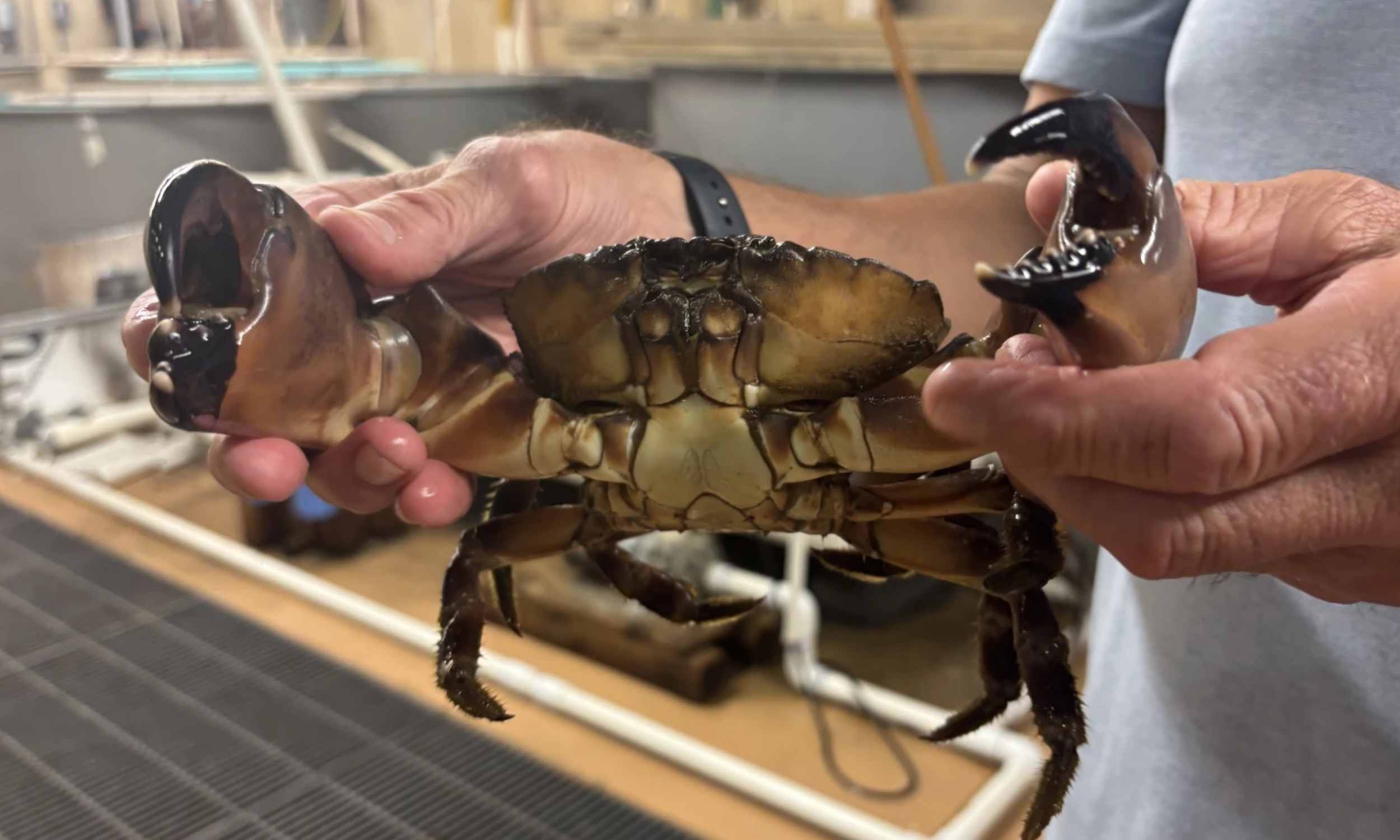
Stone Crabs Appear in Virginia, Signaling Atlantic Coast Shifts
Recent observations confirm the first sightings of stone crabs in Virginia waters, a progress linked to rising ocean temperatures and a broader reshaping of the Atlantic coastline. The appearance of these crabs, typically found in warmer regions like Florida and the carolinas, marks a important range expansion as species cross previously insurmountable survival thresholds.
Global marine heatwaves have been increasing in both frequency and intensity since the 1980s, altering migration routes and triggering lasting changes in local ecosystems. Data from NASA and NOAA reveal that average sea surface temperatures in the mid-Atlantic have climbed nearly 2 degrees Fahrenheit since the 1980s – a shift sufficient to make the Chesapeake Bay more hospitable to these southern species.
Stone crabs are identifiable by their pale horizontal leg stripes and black claw tips,and can grow to approximately 6.5 inches across the shell. They are distinct from the smaller Atlantic mud crab, which reaches around 2.5 inches and possesses crusher claws fading from black to white at the base. Due to the presence of look-alike species in the lower Bay, authorities are requesting clear photos of both the top and bottom of any suspected stone crab sightings.Scientists are currently compiling a map of confirmed finds to determine if the species is reproducing locally.
Research indicates that juvenile stone crabs favor structured habitats, often utilizing oyster reefs as nurseries. This aligns with ongoing oyster restoration efforts in the Bay, which have expanded reef habitat over the past decade, potentially providing suitable settlement locations for stone crab larvae arriving during warmer years.
The stone crab’s arrival in Virginia is part of a larger trend; dozens of warm water species, including shrimp and tropical fish, are extending their ranges northward each decade as sea temperatures rise. Marine biologists are tracking these shifts using tagged specimens and satellite temperature records.
Importantly, stone crabs are native to the U.S. coast and are not considered invasive. While they share prey and habitat with resident crab species, managers anticipate coexistence while closely monitoring for any ecological shifts.
“I think the stone crab’s here to stay,” stated researcher Lipcius, reflecting the expectation that this northward expansion is a lasting change.
