
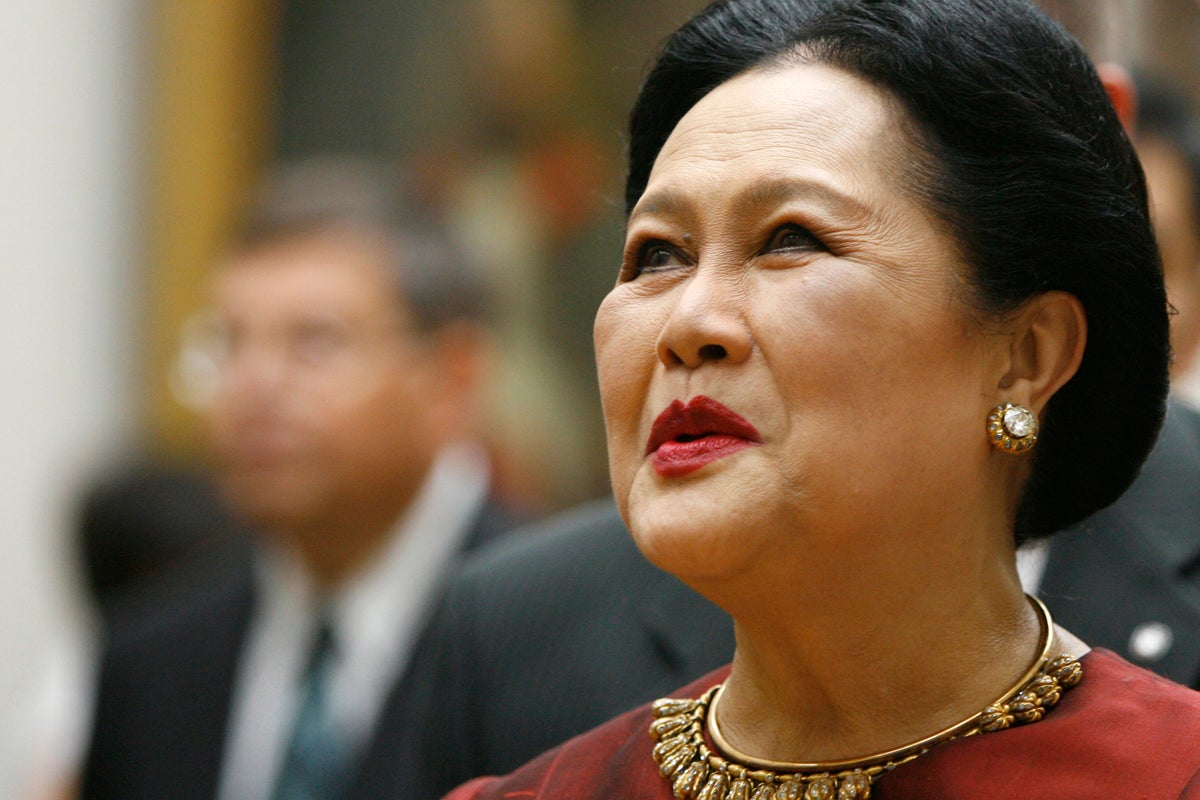
Thailand Mourns as Queen Mother Sirikit Dies at 93
Thailand is in mourning following the death of Queen sirikit, the Queen Mother, at the age of 93. Her passing marks the end of an era for the nation, as she dedicated decades to the welfare and growth of the Thai people alongside her husband, King Bhumibol Adulyadej.
Born in Bangkok, the target of Allied air raids during World War II, Sirikit moved to France with her diplomat father after the war, where he later served as ambassador. In Paris, while studying music and languages, she met Thailand’s newly crowned King Bhumibol. Their friendship deepened after the King suffered a near-fatal car accident, prompting her to join him in Switzerland to assist in his recovery. During this time, King Bhumibol courted her with poetry and even composed a waltz titled, ”I dream of You.”
The couple married in 1950, and at their coronation ceremony later that year, both vowed to “reign with righteousness for the benefit and happiness of the Siamese (Thai) people.” They had four children: current King Maha Vajiralongkorn, and princesses Ubolratana, Sirindhorn and Chulabhorn.
In their early years as a royal couple, they travelled extensively as goodwill ambassadors, building relationships with world leaders.However, by the early 1970s, their focus shifted to addressing Thailand’s internal challenges, including rural poverty, opium addiction among hill tribes, and a communist insurgency.
The King and Queen undertook annual tours of the countryside, alongside officiating at over 500 royal, religious, and state ceremonies each year. Known for her impeccable style and love of shopping, Queen Sirikit also actively engaged with rural communities, frequently enough visiting remote villages where she was affectionately called “daughter” by older women.
she personally addressed concerns raised by thousands of citizens, ranging from personal disputes to serious health issues. While some in Bangkok engaged in gossip regarding palace affairs and her lifestyle, her popularity remained strong in rural areas. “Misunderstandings arise between people in rural areas and the rich, so-called civilised people in Bangkok. People in rural Thailand say they are neglected, and we try to fill that gap by staying with them in remote areas,” she explained in a 1979 interview with The Associated Press.
Queen Sirikit spearheaded numerous royal development projects across Thailand. In 1976, she launched SUPPORT, a foundation dedicated to preserving traditional crafts and increasing income for impoverished rural families, training thousands in skills like silk-weaving, jewellery-making, and ceramics.
Often referred to as the “Green Queen,” she also established wildlife breeding centers, “open zoos,” and hatcheries to protect endangered species, including sea turtles. Her Forest Loves Water and Little House in the Forest projects demonstrated the economic benefits of forest conservation and water resource management.
Queen Sirikit firmly believed in the vital role of the monarchy in Thailand,stating in a 1979 interview,”There are some in the universities who think the monarchy is obsolete. But I think Thailand needs an understanding monarch… At the call, ‘The king is coming,’ thousands will gather. The mere word king has something magic in it. It is splendid.”
