
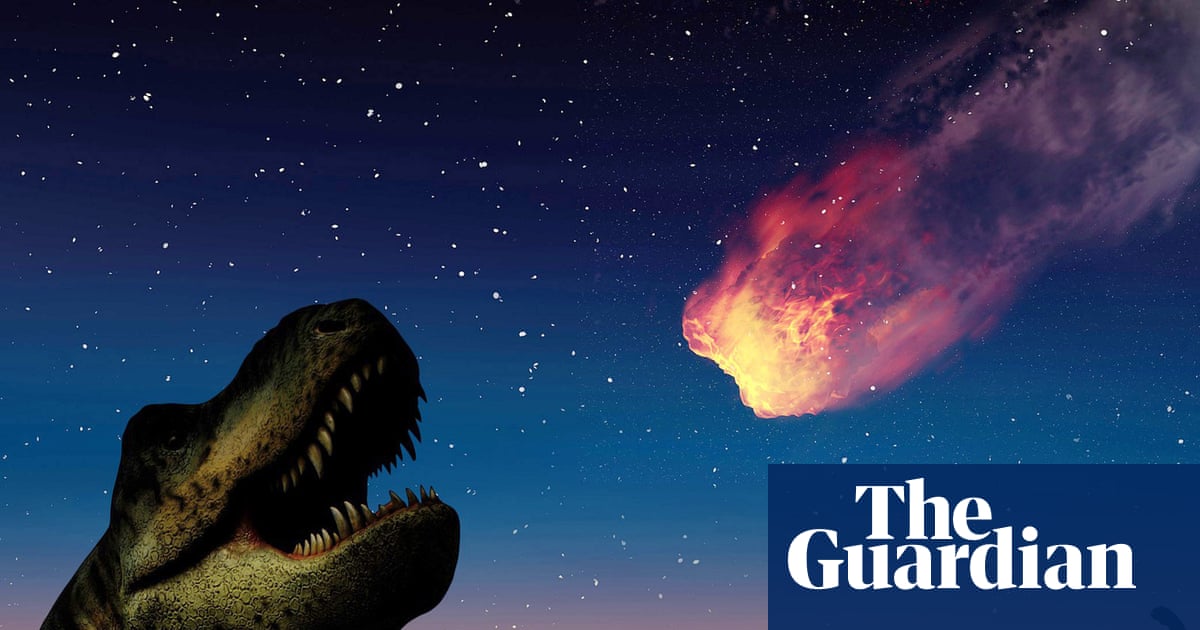
dinosaur Diversity Remained High Until Asteroid Impact, New Study Finds
New research suggests dinosaurs were thriving and maintaining high levels of diversity right up to the moment an asteroid struck Earth 66 million years ago, challenging previous theories of a pre-impact decline. The study, focused on a fossil-rich site in New Mexico, indicates dinosaur populations weren’t already dwindling due to environmental factors before the catastrophic event.
Researchers led by Dr.Steve Flynn at University College London analyzed fossils from the final six million years of the Cretaceous period.They found evidence of a diverse dinosaur community, including horned dinosaurs, duck-billed dinosaurs, and tyrannosaurs, coexisting until the asteroid impact.
“It looks like, as far as we can tell, there’s no reason they should have gone extinct except for [the] asteroid impact,” Flynn said.
The findings suggest that previous perceptions of declining dinosaur diversity may be linked to an incomplete fossil record from the end of the Cretaceous period, wiht fewer exposed rocks containing fossils from that time compared to earlier periods. While dinosaur diversity in western North America fell from 43 species to 30 species in the last 6 million years of the Cretaceous, the new evidence points to localized variations rather than a widespread decline.
Professor michael Benton at the University of bristol,who was not involved in the study,called the findings “very exciting,” noting the evidence demonstrates diversity in at least one location. Though,Benton cautioned that the study focuses on a single site and doesn’t necessarily represent the global picture.
“We would suggest that there is evidence for overall declines in dinosaurs towards the end of the Cretaceous, with individual rich faunas where climates were favourable,” Benton said.
