
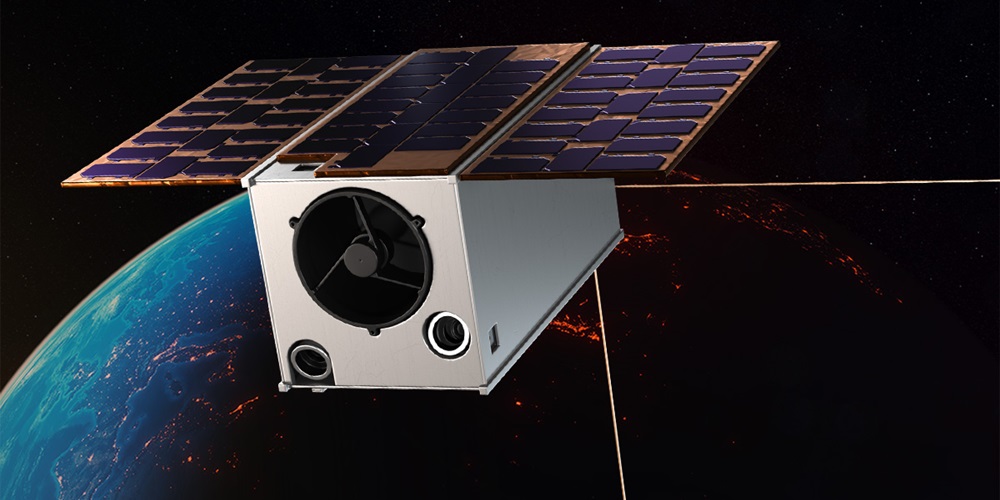
A New Era in Exoplanet Hunting: Can a private Telescope Accelerate Discovery?
The search for habitable exoplanets – planets orbiting stars beyond our sun – is facing a common hurdle: limited access too observation time on major space telescopes like Hubble and James webb. Competition for these resources is fierce, and not all research requires the immense power of these complex and expensive instruments. Recognizing this gap, Blue Skies Space is pioneering a new approach with Mauve, believed to be the world’s first privately funded space telescope dedicated to astronomical research.
The core idea behind Mauve is accessibility. While large space agencies deliver high-quality data, the wait times for observation can be lengthy.Blue Skies Space aims to circumvent this by offering continuous data streams from a smaller, less expensive satellite, available to scientists worldwide through an annual subscription model. This focuses specifically on stellar flares – bursts of energy from stars – which are crucial to understanding the potential habitability of orbiting planets. Frequent flares can strip away planetary atmospheres, rendering them inhospitable.
Built in under three years at a comparatively low cost (the exact figure remains undisclosed), Mauve represents a shift in deep space astronomy. traditionally, the field has moved towards increasingly complex and costly missions. Blue Skies Space, though, is embracing the “build fast, build cheap” beliefs already prevalent in Earth-imaging satellites.
Mauve is designed to complement larger upcoming missions like Twinkle, a 150-kilogram satellite with a 45cm telescope also developed by Blue Skies Space. While Twinkle will focus on analyzing the chemical composition of exoplanet atmospheres,Mauve will help identify the most promising stars for further examination.
the project has already garnered significant interest,with nineteen universities globally signing up to receive data,expected to begin streaming early next year. Mauve will orbit earth at an altitude of 500 kilometers for at least three years.
Blue Skies Space’s buisness model relies on upfront financing of the satellite, followed by recouping costs through data subscriptions. Any surplus revenue will be reinvested into future missions, including a potential successor to Mauve, dubbed Mauve+, designed to observe in ultraviolet light. This innovative approach could unlock a new era of accessible space-based astronomy, potentially accelerating the discovery of stars harboring habitable exoplanets.
source: Space.com**
