
The Uneven attention Economy of Disaster
Our understanding and response to disasters are demonstrably skewed, shaping not only where resources are directed but also our overall preparedness for future events. A critical imbalance exists in the attention given to sudden-onset disasters versus those that develop more slowly, wiht significant consequences for prevention and mitigation efforts.
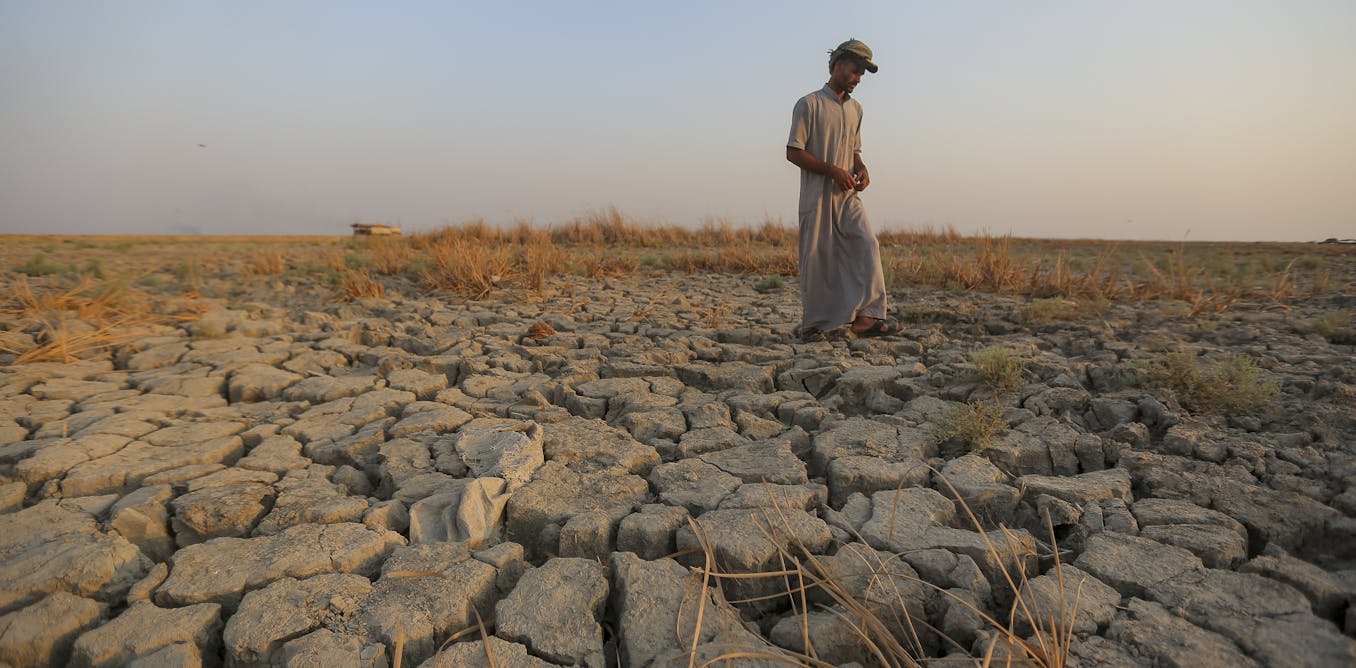
A recent analysis of canadian media coverage illustrates this disparity. Sudden disasters, like wildfires, consistently dominate headlines and airtime, receiving far more attention than slower-developing crises such as droughts or long-term environmental degradation. For instance,the CBC dedicated up to eight hours of coverage in a single day to the immediate aftermath of the 2010 Haiti earthquake. In stark contrast, the 2011 Horn of Africa drought typically received less than two minutes of daily coverage.this difference is especially concerning given that the cumulative impacts of slow-onset crises often exceed those of rapid-onset events.
The human cost of this imbalance is substantial. According to a report by the United Nations Convention to Combat Desertification, droughts, while accounting for only 15 percent of natural hazard-induced disasters between 1970 and 2019, were responsible for approximately 650,000 deaths globally – the highest death toll of any type of natural hazard. Over the same period, weather-, climate- and water-related hazards comprised half of all disasters and accounted for 45 percent of disaster-related deaths, disproportionately impacting developing nations. The economic consequences are also significant; between 1998 and 2017 alone, droughts resulted in roughly US$124 billion in economic losses.
Looking ahead, the World Bank estimates that climate-related, slow-onset disasters could displace approximately 216 million people worldwide by 2050, triggering extensive humanitarian and geopolitical challenges. current trends already demonstrate the severity of these often-overlooked crises. Global soil degradation currently affects nearly 3.2 billion people, with 100 million hectares of land lost annually between 2015 and 2019, directly impacting food production and exacerbating hunger.
Rising sea levels pose an existential threat to nearly 900 million people in low-lying coastal areas. The resulting flooding, saltwater intrusion, and soil salinization are already damaging homes, farmland, and public health.
Addressing this imbalance requires a fundamental shift in how we perceive and manage disasters. This necessitates acknowledging human accountability in exacerbating hazards and critically examining the structural vulnerabilities – poverty, inadequate infrastructure, and ineffective governance – that amplify disaster impacts. As a society, we must re-evaluate our priorities and embrace a holistic perspective that recognizes the equal importance of all disaster forms.
Ultimately, sustained investment in prevention, robust infrastructure, and greater social equity are crucial to strengthening the capacity of communities, both in Canada and globally, to navigate the challenges of a changing world. The disasters we choose to prioritize directly determine our preparedness for the future.
