
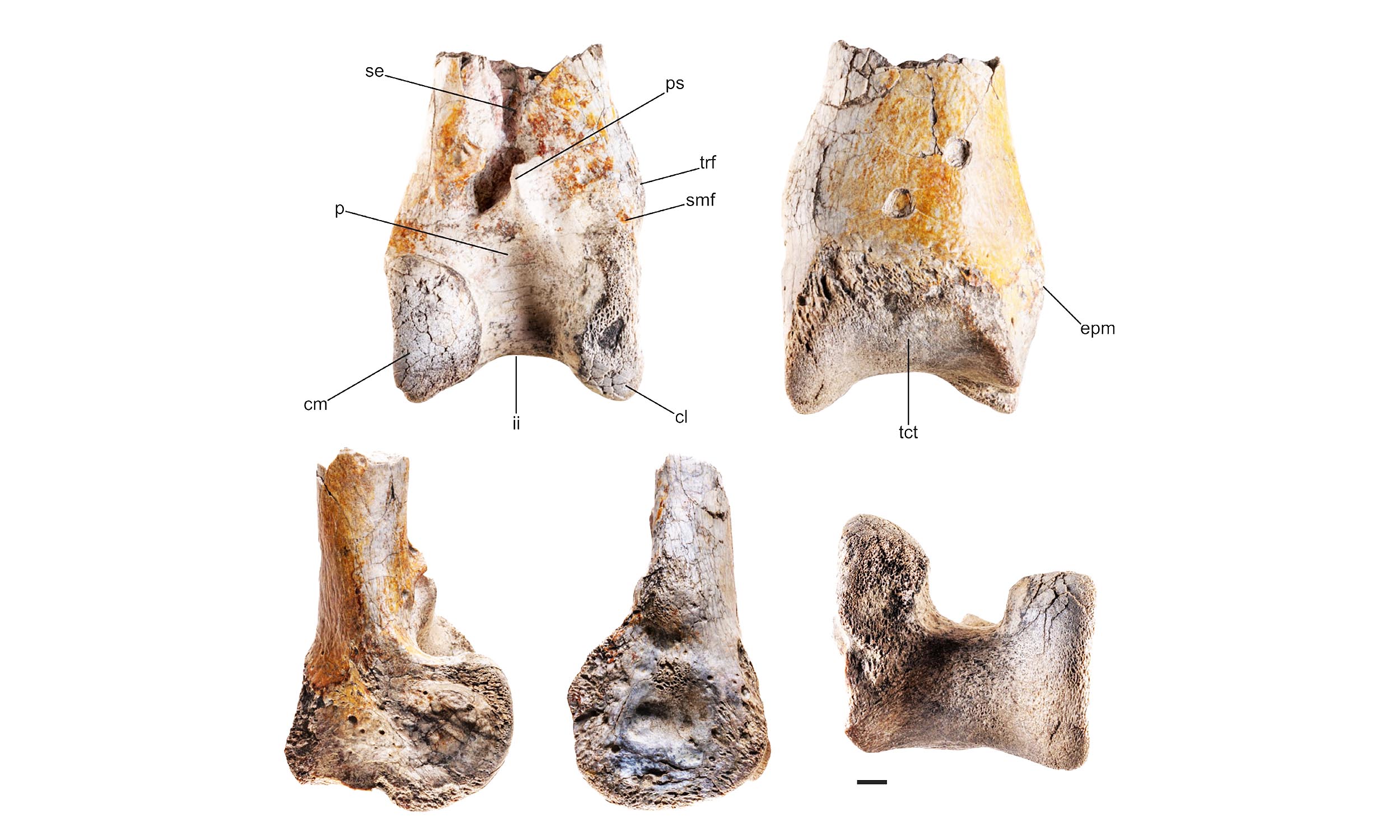
Giant “Terror Bird” Unearthed in Colombia, Rewriting Miocene Predator Landscape
BOGOTA, COLOMBIA – A remarkably well-preserved leg bone discovered in a colombian museum collection has revealed a new record for the size of Fororaptor, a massive, flightless predatory bird known as a “terror bird” that stalked South America approximately 12 million years ago during the Middle Miocene epoch. The finding,published in the journal Paleontology,provides crucial insight into the complex predator-prey dynamics of the ancient South American ecosystem.
For years, the bone sat unidentified within a regional fossil collection.Modern imaging techniques and portable scanning allowed researchers to re-examine the specimen,ultimately recognizing it as belonging to a Fororaptor considerably larger than previously known individuals. This discovery positions the bird as a dominant terrestrial predator alongside formidable aquatic hunters like the giant Purussaurus caiman.
“It’s possible there are fossils in existing collections that haven’t been recognized yet as terror birds as the bones are less diagnostic than the lower leg bone we found,” explained researcher Kelsey Cooke.
The South American landscape of the Miocene differed drastically from today. Before the formation of the Isthmus of Panama, the continent hosted a unique combination of dangers – large crocodilians in waterways and swift terrestrial predators on floodplains. the newly identified Fororaptor adds a critical piece to understanding the ancient food web, suggesting prey species faced pressure from multiple directions, influencing their evolution.
The research highlights the power of revisiting existing fossil collections alongside utilizing modern digital tools. This approach is accelerating paleontological discoveries, offering a new viewpoint on previously studied specimens.
“It would have been a fascinating place to walk around and see all of these now extinct animals,” Cooke said, envisioning the Miocene environment.
The study underscores that understanding the past isn’t solely reliant on new excavations, but also on re-evaluating what has already been found. The collaborative effort of curators, anatomists, imaging specialists, and environmental experts was instrumental in reconstructing the story of this giant predator and its place in a long-vanished world.
