
nobel Laureate Krasznahorkai‘s Works Offer “Exhilirating Absurdism,” Timeless Darkness
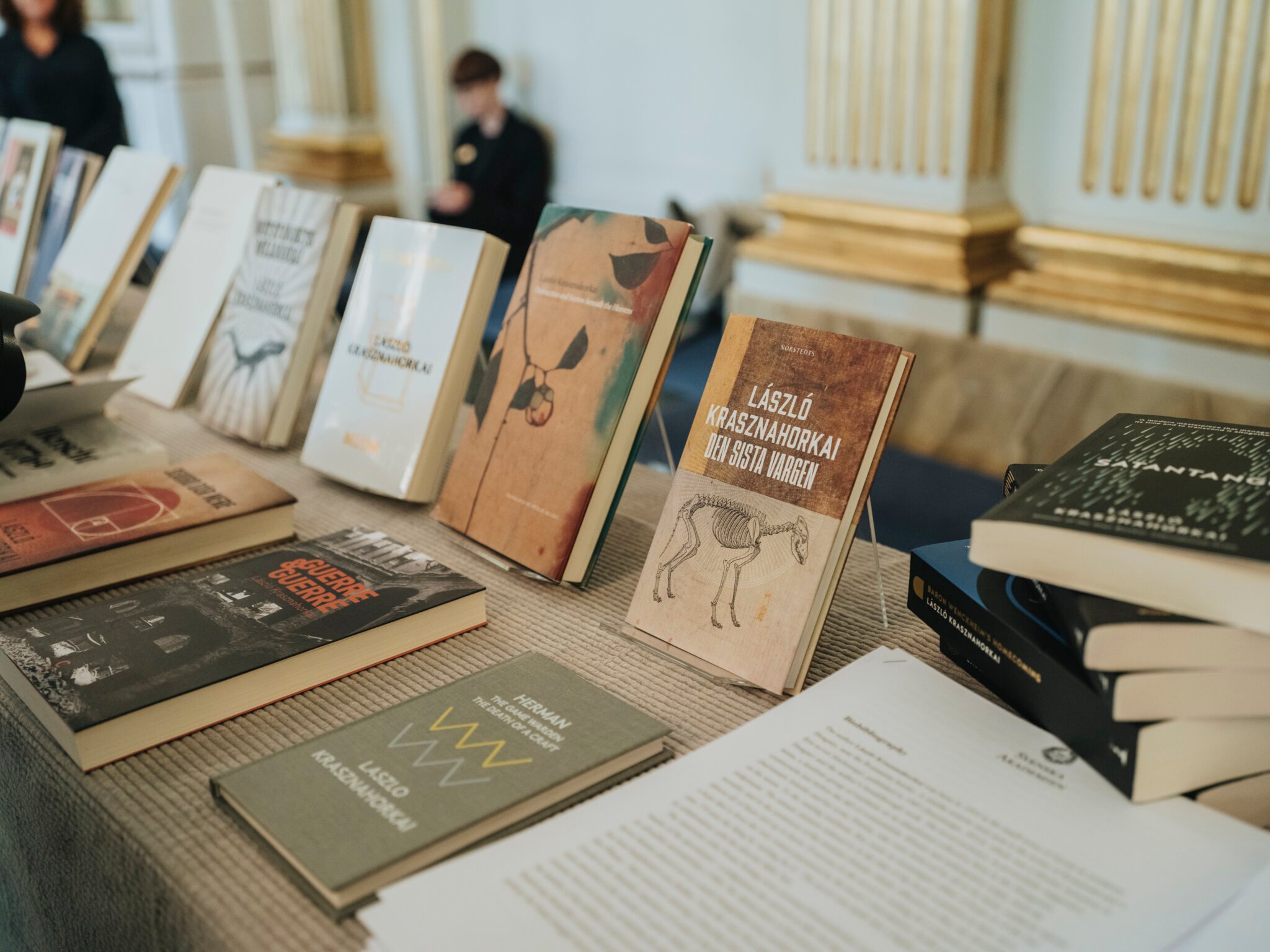
Stockholm – following the declaration of László Krasznahorkai’s Nobel Prize in Literature, readers seeking an entry point into his acclaimed body of work are being guided toward several key novels. Described as a master of the central European epic tradition, extending from Kafka to Thomas Bernhard, Krasznahorkai’s writing is characterized by a “finely tuned sense of darkness” and a preoccupation with art’s role in a world defined by suffering and impermanence.
Anders Olsson highlights Seiobo there below (2008) as a “splendid” example, comprised of seventeen episodes exploring these themes.The novel opens with a striking Zen Buddhist scene featuring a heron waiting in the River Kamo in Kyoto, presented as an “elusive image of the situation of the artist.” olsson notes the work’s ability to lose and regain narrative thread, calling it “wondrous.”
More recently, Herscht 07769: A Novel (2021) depicts unsettling events unfolding in a small town in eastern Germany, centering on the change of a gentle giant named Florian Herscht. Anna-Karin Palm describes the novel as blending “mythological perspectives” with realism,and notes the presence of “simple human warmth” alongside violence,with Bach’s music serving as a “distant dream” throughout.
A description of an earlier, unnamed work reveals a narrative of invasion and societal disruption in a small town, featuring a “mystical company of travellers displaying a disfigured man and a stuffed whale.” The novel explores the futility of action, even as characters respond to chaos, and ultimately depicts a world where some rise to power amidst the fallout.Krasznahorkai’s work is consistently described as “completely timeless.”
