
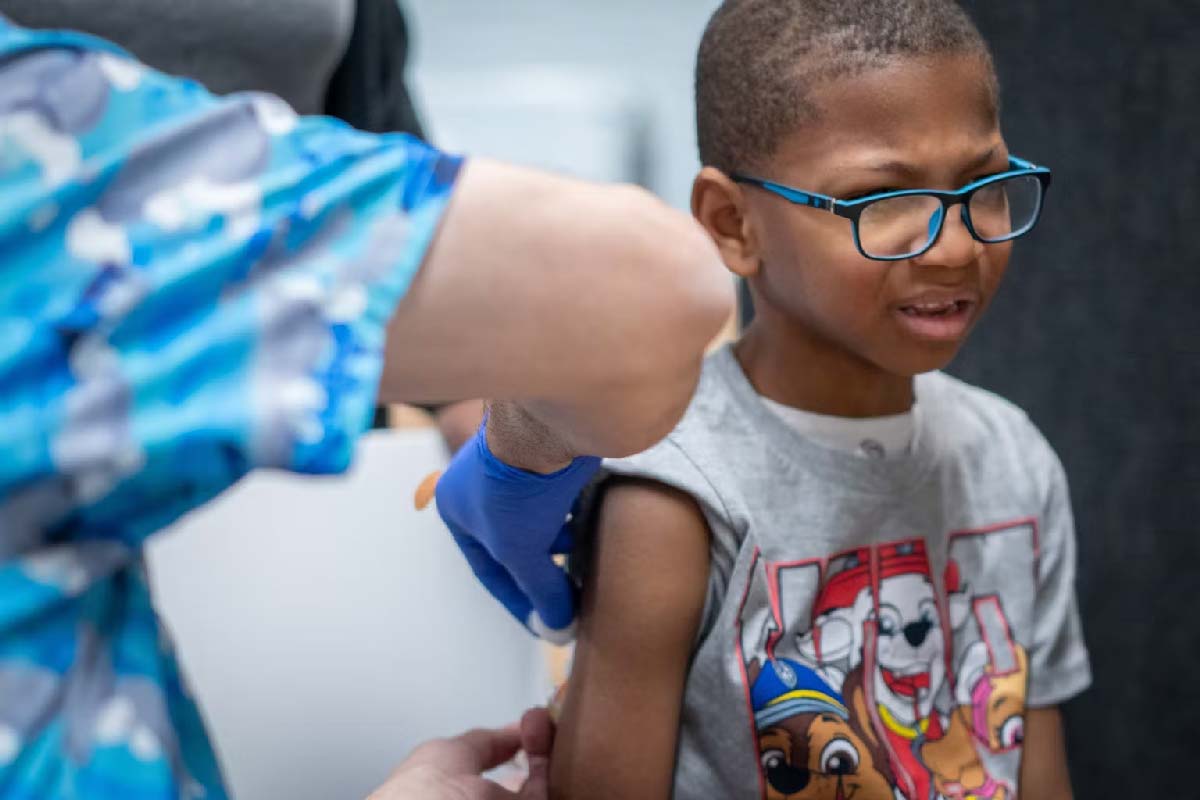
Declining Childhood Vaccination Rates Raise Concerns of Disease Resurgence
WASHINGTON – A slight but concerning dip in childhood vaccination rates across the United States is prompting warnings from health experts about potential outbreaks of preventable diseases. While still a minority, the number of children receiving vaccine exemptions-for medical, religious, personal, or philosophical reasons-has been steadily increasing, reaching 3.6% in the 2024-25 school year, according to data from the Centers for Disease Control and Prevention. This is up from a range of 1 to 2% in recent years.
“These are small increases, but again, it’s still concerning,” says Dr. Higgins, a pediatrician interviewed by SciLine.
Several factors contribute to vaccine hesitancy, including the rapid spread of misinformation through social media algorithms. A recent Pew Research Center study also indicates declining trust in institutions and experts, alongside growing political polarization surrounding vaccines.
Experts also point to the very success of vaccines as a contributing factor. Because vaccines have been so effective at eradicating or controlling diseases like polio, many parents may underestimate the risk to their children.”Vaccines are simply holding these diseases at bay,” Dr. Higgins explained. “And as vaccination rates drop, these diseases will come back and more kids will be at risk.”
Health officials urge parents to ensure their children are up-to-date on all recommended vaccinations, including the annual flu shot, and to follow state requirements and guidance from trusted sources like the American Academy of Pediatrics and their own pediatricians.
Alongside vaccination, reinforcing basic hygiene practices remains crucial. Proper handwashing, staying home when sick, and covering coughs and sneezes are all vital steps in protecting children’s health.
“As a pediatrician, I love when my families come and talk to me about their concerns,” Dr. Higgins said. ”I help them walk through their worries so they can feel more confident that they’re making a truly informed decision that’s in the best interest of their child’s health.”
SciLine, a free service based at the American Association for the Advancement of Science, contributed to this report.
