
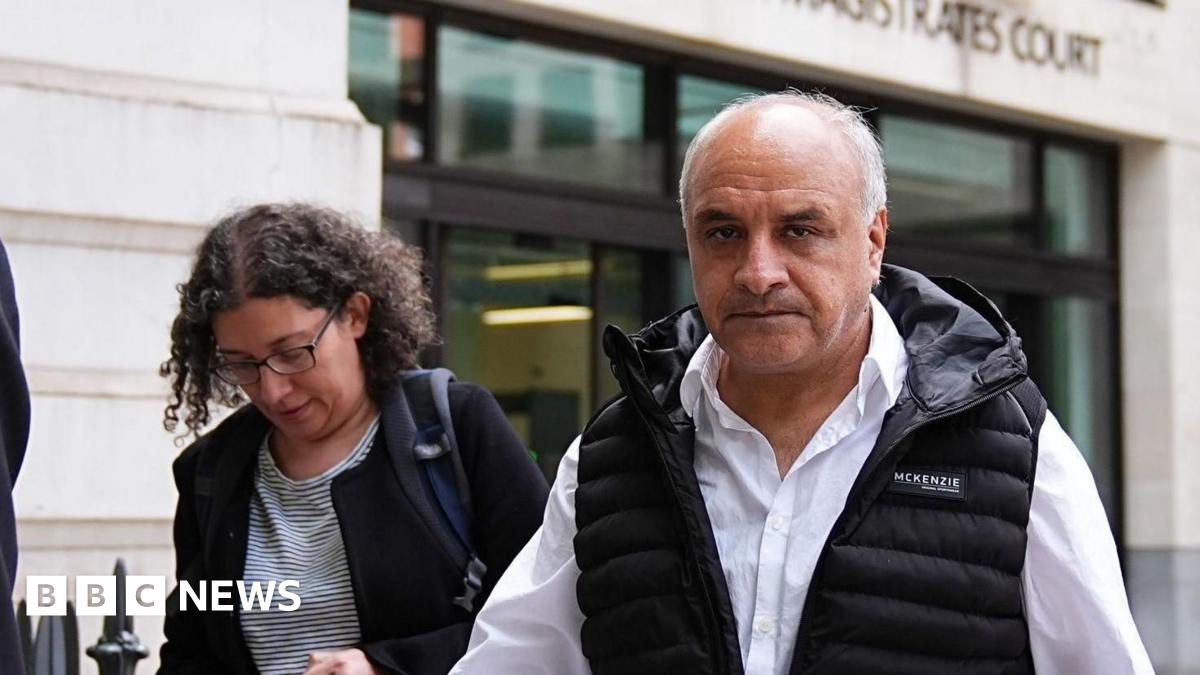
Man Who Burned Quran Outside Turkish Consulate Wins appeal, Sparking Free Speech Debate
LONDON – A man convicted of a public order offense after burning a Quran during a protest outside the Turkish consulate in London has won his appeal, a ruling that has ignited a debate about free speech and religious offence in the United Kingdom. The judge overseeing the case emphasized the importance of upholding the right to express views, even those considered upsetting or offensive, in a liberal democracy.
The appellant, Turkish-born Mr. Coskun, stated he came to England “to be able to speak freely about the dangers of radical Islam” and expressed relief that he would now be “free to educate the British public about my beliefs.” His protest involved burning a copy of the Quran, which prompted a violent response.During the exhibition, Moussa Kadri, 59, emerged from a nearby building and slashed at Mr. Coskun with a large knife, telling police he was protecting his religion. Kadri was given a suspended jail sentence last month, according to the BBC.
The original conviction centered on concerns that Mr. Coskun’s actions could incite violence. However,the judge in the appeal resolute that while the act was provocative,it did not cross the legal threshold for criminal offence. Shadow justice secretary Robert Jenrick, who attended the hearing, stated he did not agree with Mr. Coskun’s actions but did not believe they constituted a crime.
Campaigners have argued that the initial conviction risked reintroducing blasphemy laws “by the back door, inadvertently, by our court service,” despite the fact that blasphemy laws were abolished in England and Wales in 2008 and in Scotland in 2021. The ruling underscores the delicate balance between protecting freedom of expression and maintaining public order in a diverse society.
