
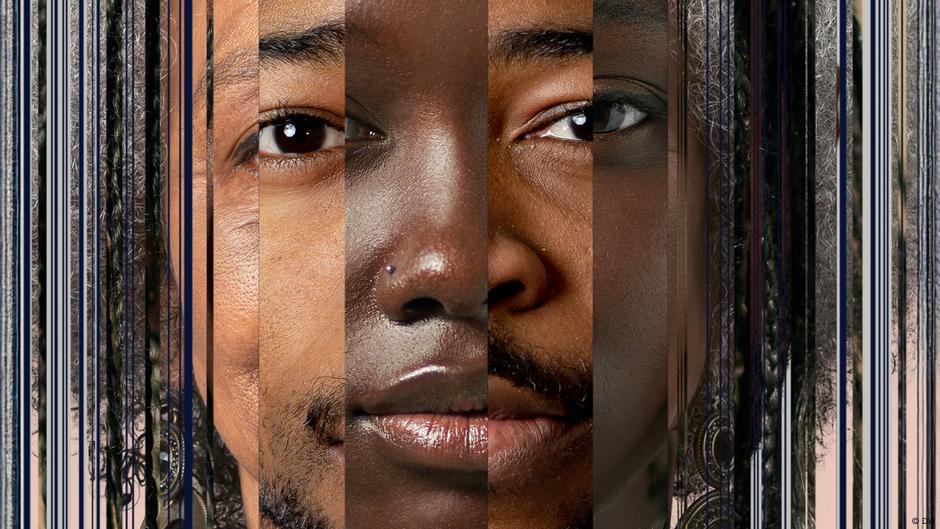
Anti-Immigration Sentiment Linked to rising racism in German Hiring Practices
Berlin, Germany – October 8, 2025 – A new wave of data reveals a concerning correlation between anti-immigration political discourse and increased racial discrimination in the German labor market. While reported instances of discrimination offer a glimpse into the problem, experts say the issue is likely more widespread, impacting economic outcomes for individuals and the nation as a whole.
Recent research indicates that certain racial and interracial categories are becoming increasingly “visible” in hiring processes, according to dr. Herbert Brücker of Germany’s Institute for Employment Research. He suggests this heightened visibility is linked to the current public debate surrounding immigration.
The trend isn’t isolated to Germany.Across the European Union,Black people report facing discrimination when seeking employment,with Germany ranking as the second worst country in this regard.
Luxembourg is attempting a different approach. Following unfavorable results in the 2017 “Being Black in the EU” report, the country launched its own survey on perceptions of racial and ethnic discrimination, publishing the findings in 2022. Luxembourg is now developing a national action plan to combat racism through research, training, and awareness campaigns.
“the plan aims to implement concrete initiatives to combat all forms of racism and discrimination… We need to establish that discrimination is there and not only perceived,” explained Belgian economist Frederic Docquier, co-author of the Luxembourg government report and deputy director of the Luxembourg Institute of Socio-Economic research (LISER). Docquier further emphasized the economic consequences of racial bias, stating that “Groups that face discrimination will pay lower taxes compared to their potential,” and may rely on unemployment benefits, creating a societal cost.
Calls for more extensive data collection are growing. Tahir Della,from the Initiative of Black People in Germany,advocates for studies that examine the experiences of individuals before and after potential discrimination. “we need a picture of what it means to grow up here or come here, and the experiences people have,” he said.
