
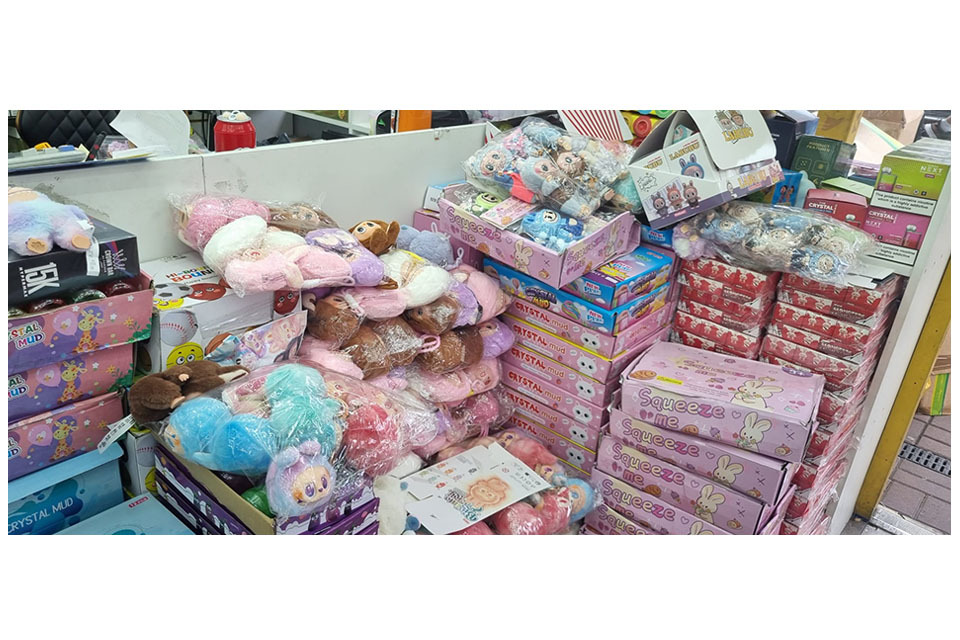
Fake Toys, Real Harms: Experts Warn parents of Risky Counterfeit Products
A nationwide campaign is underway to alert parents to the growing danger of counterfeit toys flooding the market, with new data revealing a meaningful safety risk. authorities report a surge in fake toys seized at UK borders, and testing shows a disturbingly high failure rate when it comes to meeting safety standards.
The initiative, backed by social media influencers, leading toy retailers, Trading Standards, and local authorities, aims to equip parents with the knowledge to identify and avoid potentially hazardous fakes, notably as online shopping for toys continues to rise. Recent product testing by Trading Standards and the Intellectual Property Office (IPO) found that 21 out of 28 counterfeit toys tested failed safety tests.
“as a parent you just want the peace of mind that the toys you buy are safe for your children,” said ‘Budgeting Mum’, a parenting influencer supporting the campaign. ”What looks like a bargain can turn out to be something unsafe or even dangerous. With so many people buying toys online now, it can be even harder to spot the fakes. You can’t hold the toy in your hands or check the packaging properly. That’s why this campaign matters: it gives parents like me the confidence to know what to look for, so we can protect our kids.”
How to Protect Your Children: A Guide to Avoiding Counterfeit Toys
Experts recommend a multi-pronged approach, starting before a purchase is made:
* Trusted Sources: Stick to trusted retailers or official brand websites, and exercise caution when using third-party sellers on online marketplaces.
* Review Scrutiny: Carefully check reviews, paying attention to negative feedback, not just five-star ratings.
* Price Awareness: Be wary of prices that seem “to good to be true,” as counterfeits are often substantially cheaper.
* Recall Checks: Ensure the toy hasn’t been recalled by searching the brand and product name online.
upon receiving a toy, parents should:
* Safety Mark verification: Look for a UKCA or CE safety mark and a UK contact address on the packaging.
* packaging Quality: Check that the packaging appears professional and includes appropriate age warnings.
* Physical Inspection: Inspect the toy for loose small parts, stuffing, or unsecured batteries.
If a counterfeit or unsafe toy is suspected, authorities urge parents to:
* Immediate Removal: Do not give the toy to a child and return it promptly.
* Warning others: Leave a review to alert other parents to the potential danger.
* platform Reporting: report the seller to the platform where the toy was purchased.
* trading Standards Contact: Contact Trading Standards to help prevent dangerous toys from reaching other families.
Recent Findings & Campaign Context
Research conducted by AudienceNet for the IPO between September 2nd and 5th, 2025, surveyed a nationally representative sample of UK adults who had purchased toys for a child in the past 12 months. Border Force seizure figures, covering January to August 2025, detail all counterfeit toy seizures across multiple ports and for multiple brands. These 118 separate counterfeit shipments may include cargo crates containing multiple articles of counterfeit toys and parcels. Authorities emphasize that these seizure figures are in addition to any seizures made by Trading Standards or Police forces.
