
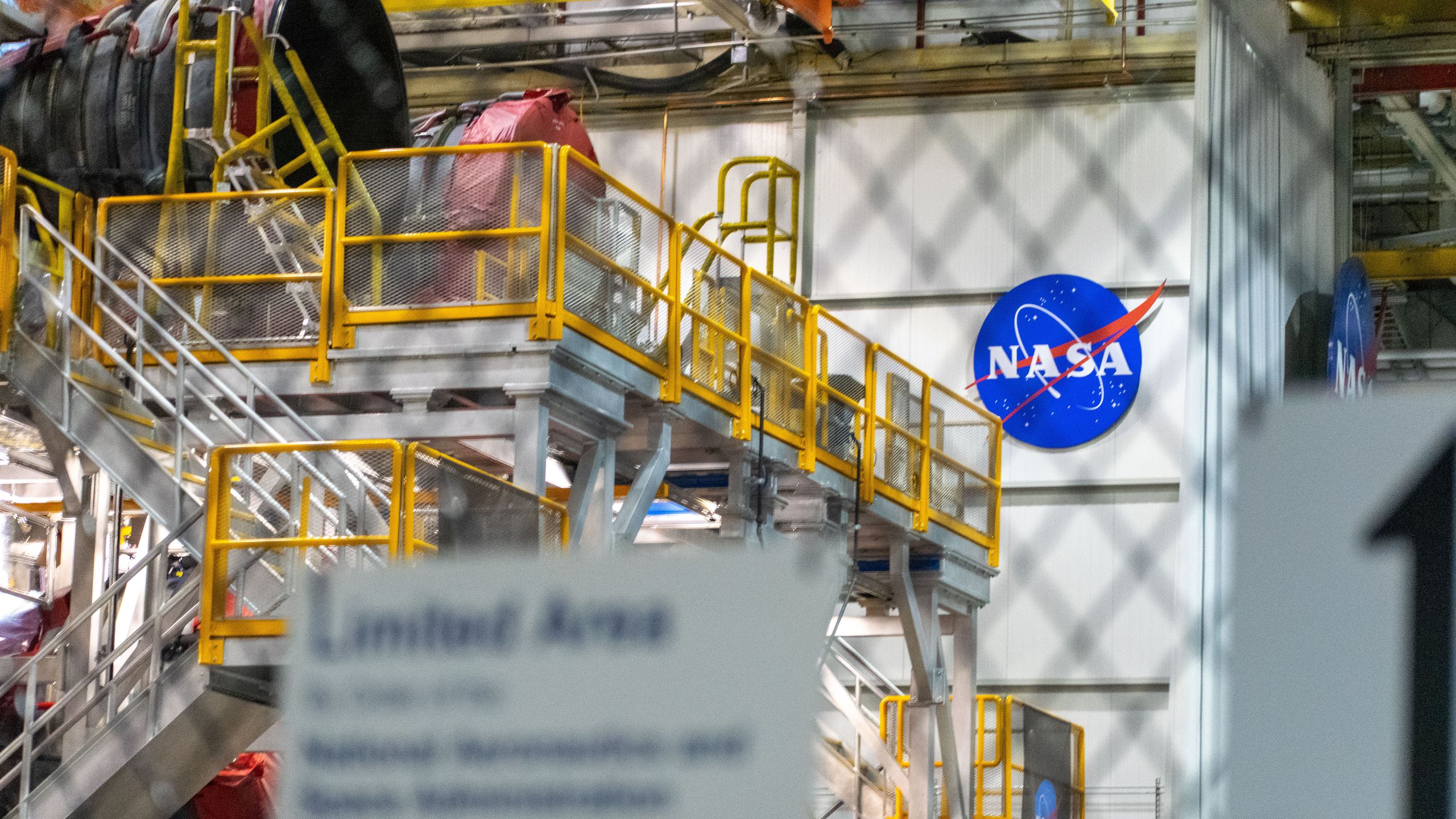
## NASA Shuts down Amidst Government Funding Lapse, Impacting 15,000 Employees
As the U.S. government entered a shutdown on October 1st,NASA initiated a partial closure impacting approximately 15,000 employees. The agency is implementing an “orderly shutdown” of non-essential operations, estimated to take around half a day to complete.
While some missions are continuing,the vast majority of NASA’s work has been paused. Critical operations,including maintaining the International Space Station with its current crew, will continue with flight controllers adn engineers working to ensure astronaut safety and system functionality. Essential Earth observation and weather satellites, vital for public safety data regarding weather, natural disasters, and space debris tracking, are also remaining operational.
However, most research projects, including science grants and technology growth, have been put on hold. Public-facing activities like NASA visitor centers, NASA TV, and social media platforms have been suspended, limiting public interaction.
The shutdown’s impact is also felt by NASA’s contractors. While some with pre-existing funding can continue work temporarily, progress may be hindered without NASA oversight. Furloughed employees are prohibited from performing any NASA-related work, even voluntarily, and are currently focused on facilitating the shutdown process.
NASA officials expressed confidence in their ability to resume work on key projects, like the Artemis 2 mission, onc funding is restored. During a press conference on Sept. 23, a NASA representative stated the agency anticipates being able to request and move forward with Artemis 2 even during a shutdown.
Recent shutdown guidance from NASA includes a directive to restrict the use of carryover funds – leftover appropriations from the previous fiscal year – to “presidential priorities.” Space policy experts, like Casey Dreier, executive director of the Planetary Society, note this language is unusual and suggests a potential redirection of funds away from originally intended allocations. Dreier explained that carryover funds, while not lapsed appropriations, could be “consolidated into preferred activities” to support White House initiatives during the funding lapse.
Federal law guarantees back pay for civil servants, but the timing of those payments will depend on the duration of the shutdown and Congressional action.
