
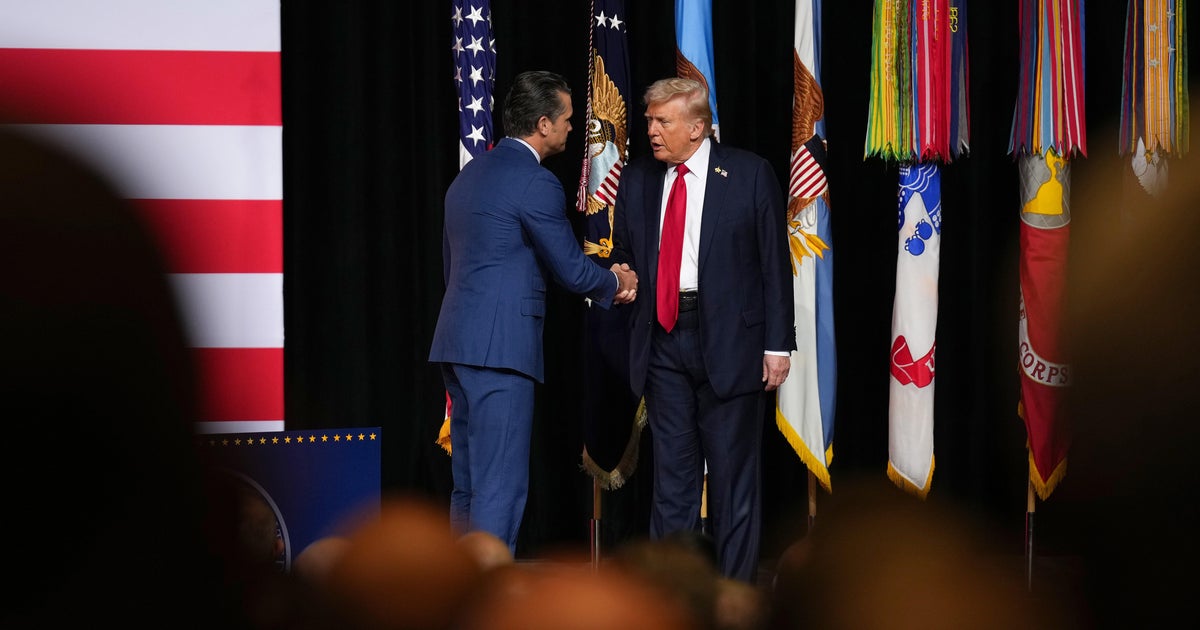
Trump Addresses Troops, outlines Plan for Domestic Order Amidst Criticism
In a rare address to military leaders, President Trump detailed a new initiative aimed at bolstering the nation’s ability to respond to civil unrest, framing the effort as a necessary measure to combat an ”enemy from within.” The President highlighted an executive order signed in August, directing the Secretary of Defense to ensure state National Guard units are adequately equipped, trained, and prepared for deployment in response to domestic disturbances. The order also mandates the designation of specific national Guard personnel for this purpose.
“Last month, I signed an executive order to provide training for a swift reaction force that can help quell civil disturbances,” Trump stated, adding, “This is gonna be a big thing…we have to handle it before it gets out of control.”
The President’s remarks, delivered during a meeting wiht military personnel, come as his administration has already deployed federal forces to Washington D.C. and plans to send the National Guard to Portland, Oregon, despite requests from local officials for such assistance. Trump suggested thes cities could serve as “training grounds” for military personnel, specifically mentioning potential future deployments to Chicago, which he characterized as being under the leadership of an “incompetent governor.”
The initiative has drawn sharp criticism from Democrats. Senator Dick Durbin of Illinois released a statement condemning the President’s approach, asserting it lacked a coherent strategy and represented a dangerous escalation.”His reckless suggestion that American cities be used as ‘training grounds’ for U.S. troops is a dangerous assault on our democracy, treating our own communities as war zones and our citizens as enemies,” Durbin said.
The meeting, hosted with Fox Nation host Pete Hegseth, underscored the administration’s focus on projecting strength and maintaining order amidst ongoing protests and concerns about escalating violence in some cities. The President’s comments signal a continued willingness to utilize the military in a domestic law enforcement capacity, a move that continues to spark debate over the appropriate role of the armed forces within the United States.
