
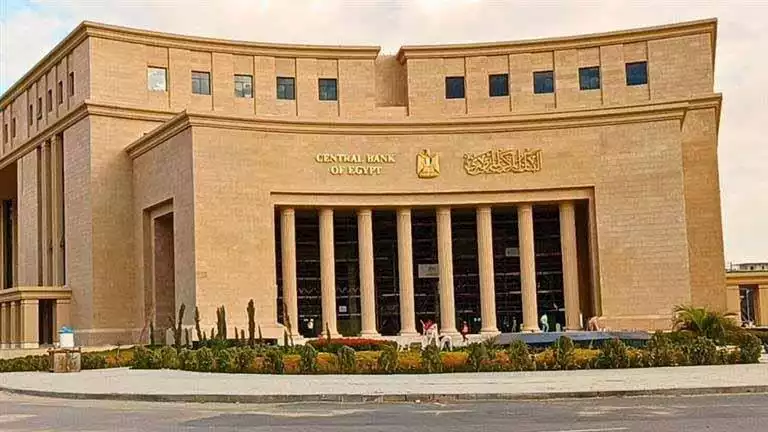
Egypt’s Central Bank Poised for Potential Interest Rate Cut Amid Cooling Inflation
Cairo, Egypt – september 30, 2025 – Markets are keenly focused on the Monetary Policy Committee meeting at the Central Bank of Egypt (CBE) this thursday, as analysts debate the future of interest rates. While opinions diverge, a consensus is building that the CBE may continue its easing monetary policy, buoyed by positive economic developments and a sustained decline in inflation.
Since the beginning of the year, the CBE has already implemented three interest rate cuts, totaling 5.25% – the first reductions in four and a half years. This proactive approach aims to stimulate economic growth and attract investment following a period of relative inflation control and exchange rate stabilization.
Inflation Trends Point to Further Easing
recent data reinforces the possibility of further cuts. Annual urban inflation fell for the third consecutive month in August, dropping to 12% from 13.9% in July. This downward trend is providing the CBE with increased flexibility in its monetary policy decisions.
expert opinions Converge on Potential Reduction
Leading economists are predicting a further reduction in interest rates at this week’s meeting.
Sahar Al-Damati, a banking expert and former deputy head of the Bank of Egypt, anticipates a cut of between 1% and 1.5% if inflation continues on its current trajectory. she estimates a total reduction of approximately 2% across the remaining three meetings of the year. Al-Damati believes that increased dollar liquidity and the recovery of key sectors like tourism and exports will strengthen the Egyptian pound, providing the CBE with greater maneuvering room.
Prime Minister Dr. Mustafa Madbouly echoed this sentiment last week, suggesting that any anticipated fuel price increases would have a limited impact on inflation. He emphasized the government’s commitment to partially subsidizing diesel, recognizing its crucial role in agriculture, logistics, and industry.
Economist Ahmed Moati also predicts a 1% to 2% rate cut, citing the expected limited impact of potential fuel price increases – potentially only 2% to 3% - and the offsetting effect of a slight strengthening of the Egyptian pound against the dollar (around 1% to 2%). Moati forecasts that inflation will stabilize around the CBE’s official target of 7%, with a margin of error of plus or minus 2%.
Mustafa Shafi’i, head of Research at an Arab Online Company, believes the October meeting represents a crucial window for further easing. He points to rising expatriate investments and stable external economic conditions as supporting factors, predicting a potential rate reduction of 1% to 2%.
Looking Ahead
The CBE’s decision this Thursday will be closely watched by investors and businesses alike. A continued easing of monetary policy could provide a meaningful boost to economic activity, while maintaining price stability remains a key priority. The central bank faces the delicate task of balancing these competing objectives as Egypt navigates a period of economic transition.
Keywords: Egypt, Central Bank, Interest Rates, Inflation, Monetary Policy, Economy, CBE, Egyptian Pound, Investment, Fuel Prices, Economic Growth.
