
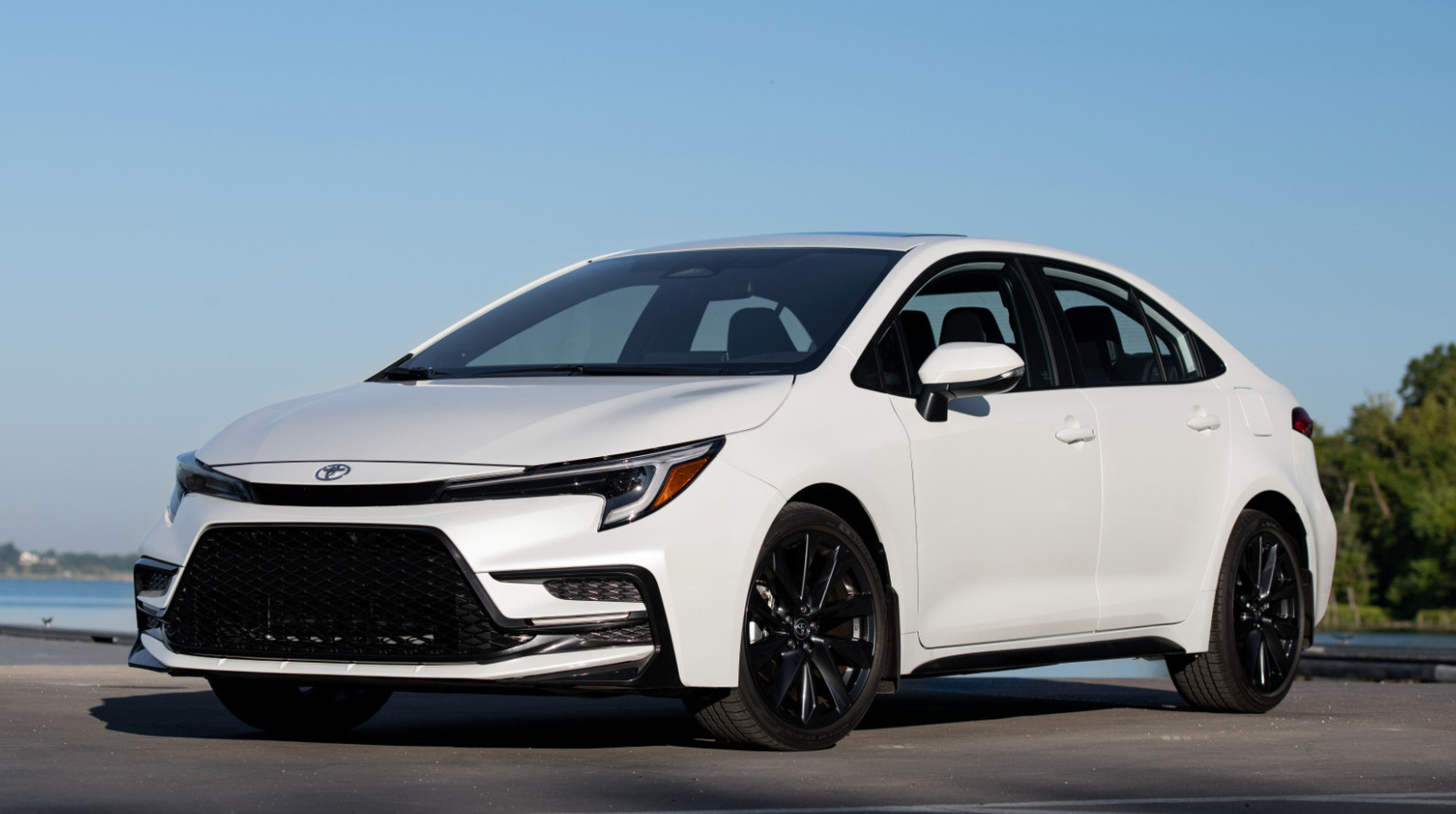
Toyota Drivers: Understand the critical Difference Between LTA and LKA – It Could Prevent an Accident
Toyota owners may be unknowingly relying on two key safety systems – Lane Trace Assist (LTA) and Lane Keep Assist (LKA) – designed to reduce driver fatigue and prevent accidents.While both technologies work to keep vehicles within their lane markings, they function differently and activate under distinct circumstances. Understanding thes differences is crucial for maximizing their benefits and staying safe on the road.
These systems are becoming increasingly prevalent as standard features in modern vehicles, yet confusion surrounding their operation persists. Knowing when each system engages, and how they respond to driving situations, can empower toyota drivers to better understand and utilize these vital safety tools.Whether navigating daily commutes or long road trips,LTA and LKA are quietly working in the background to enhance driver safety.
LKA, the older of the two systems, first appeared in 2004 as part of Toyota’s Lane Departure Warning system. It alerts drivers with a beep or steering wheel vibration when the vehicle begins to drift out of its lane without a signal. If the driver doesn’t correct the drift, LKA will then apply automated corrective steering.
LTA, introduced in 2018 as part of the Toyota Safety Sense package, is a more advanced system.Though, it’s only active when the vehicle’s cruise control is engaged. Unlike LKA’s reactive approach, LTA proactively centers the vehicle within its lane using forward-facing cameras to monitor traffic flow and road curves. Essentially, LKA responds to lane departures, while LTA actively prevents them.
Both LTA and LKA are now widely available across Toyota’s vehicle lineup, from the affordable Corolla to the full-size Sequoia, offering drivers of all budgets access to these vital lane-centering safety features.
