
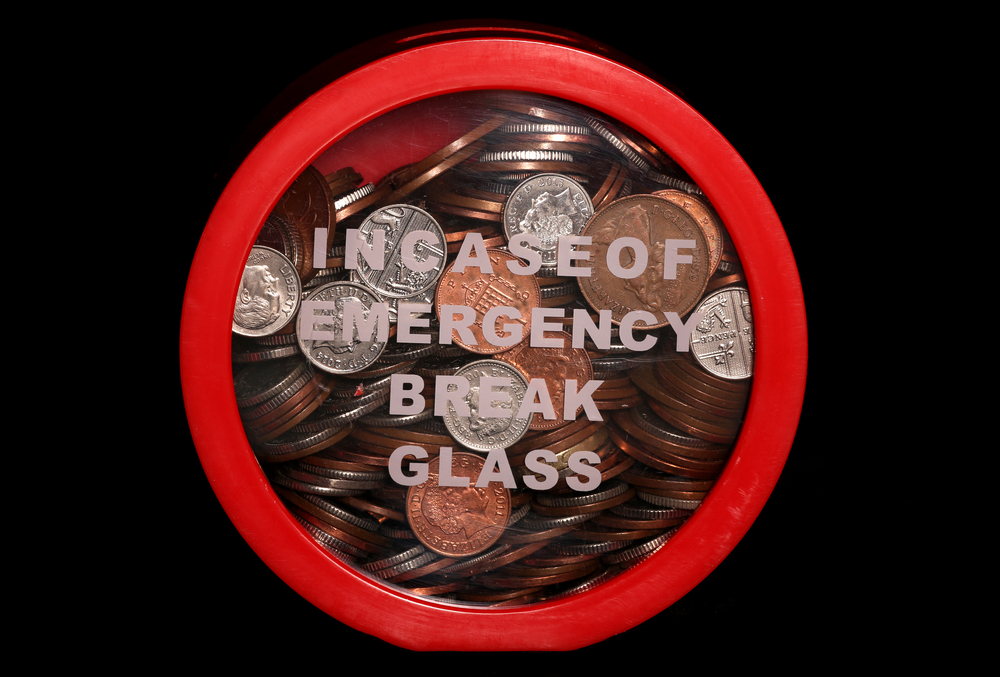
The Emergency button That Keeps Getting Reinstalled: A History of Last-Resort Banking Interventions
Geneva - From Silicon Valley Bank to Credit Suisse,and even a 1991 airlift of Indian gold,global financial authorities have repeatedly demonstrated a willingness to deploy unusual measures to prevent systemic collapse. These interventions, frequently enough involving the rewriting of financial rules and the prioritization of stability over established investor hierarchies, raise critical questions about moral hazard and the enduring reliance on “emergency buttons” in a world seemingly determined to test thier limits.
These aren’t theoretical exercises. The past three years alone have witnessed a surge in these dramatic rescues, signaling a pattern of escalating intervention. While intended to prevent wider economic contagion, each instance reopens debates about fairness, risk-taking, and the long-term consequences of shielding institutions deemed “too big to fail.” The frequency with which these buttons are pressed suggests a basic tension: the inherent instability of modern finance versus the political and economic costs of allowing major institutions to fall.
Here’s a look at ten instances where authorities hit the panic button:
- Long-Term Capital Management (1998): A near-collapse of the highly leveraged hedge fund LTCM prompted a coordinated bailout orchestrated by the Federal Reserve, fearing widespread disruption to credit markets.
- Bear Stearns (2008): The Fed facilitated the sale of Bear Stearns to JPMorgan Chase, providing financial backing to avert a broader panic during the initial stages of the 2008 financial crisis.
- AIG (2008): The government provided a massive $180 billion bailout to American International Group,the world’s largest insurance company,to prevent its failure from triggering a cascading effect throughout the financial system.
- Citigroup (2008-2009): Citigroup received multiple injections of government capital and guarantees on its assets, totaling over $45 billion, to stabilize the struggling bank.
- Ireland (2008-2010): The Irish government guaranteed all deposits in its banks, ultimately leading to a sovereign debt crisis and a €67.5 billion bailout from the EU and IMF.
- Greece (2010-2018): Greece required three separate bailouts from the EU,IMF,and European Central Bank,totaling over €289 billion,to avoid defaulting on its sovereign debt.
- Cyprus (2013): As part of a €10 billion bailout, Cyprus imposed a controversial “haircut” on depositors, wiping out a portion of savings in its two largest banks.
- Silicon valley Bank (2023): Citing a systemic risk exception, all depositors were made whole following the bank’s collapse; shareholders and certain creditors were not. Concurrently, the Fed launched the Bank Term Funding Program to funnel liquidity against Treasuries at par.
- Credit Suisse (2023): UBS acquired credit Suisse with massive liquidity support from Switzerland.AT1 bondholders were wiped out (CHF 16B) while shareholders received UBS stock,a move that sparked global scrutiny of AT1 bonds.
- India (1991): Facing a balance-of-payments crisis, the Reserve Bank of India airlifted approximately 47 tons of gold to the Bank of England to secure emergency foreign exchange.
