
Estonia on High Alert as Narva Mayoral Race Looms Amidst Russian interference Concerns
NARVA, Estonia – Estonia is bracing for potential Russian interference as the city of Narva prepares for a mayoral election, with authorities increasingly vigilant against Moscow’s attempts too exploit existing societal divisions. The election comes against a backdrop of heightened tensions, including recent airspace breaches by Russian jets and ongoing accusations of Kremlin propaganda aimed at destabilizing the region.
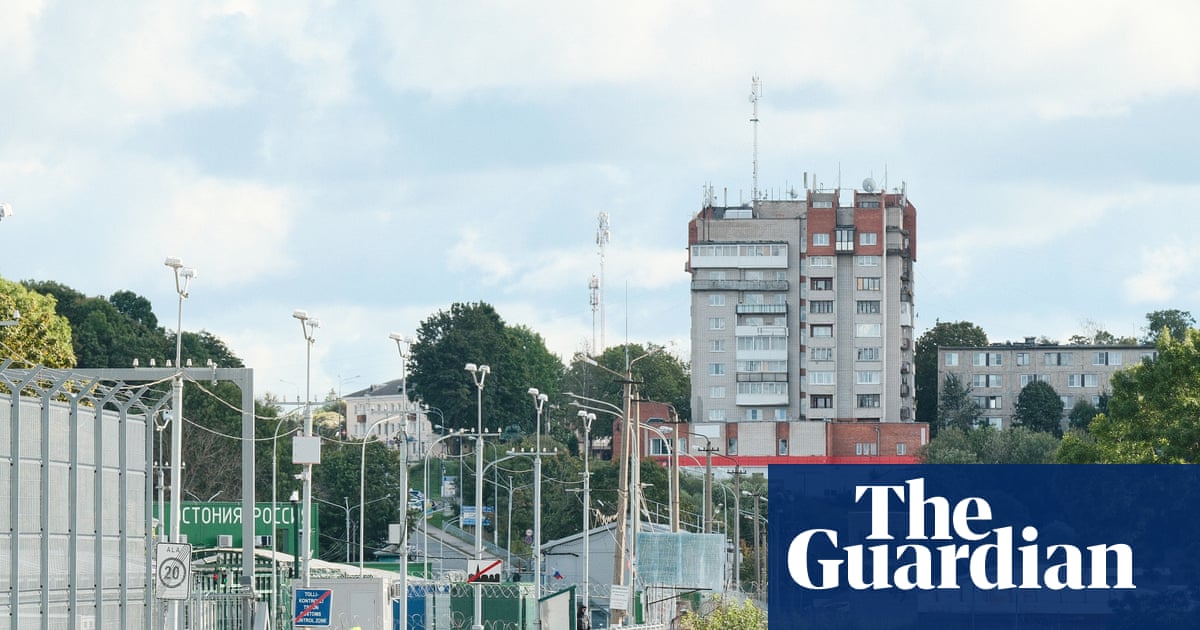
Narva, a predominantly Russian-speaking city bordering Russia, has become a focal point in the escalating geopolitical struggle. Estonian authorities report a sustained campaign by Kremlin propagandists to portray their actions as unfriendly towards Russian-speaking residents, despite President Vladimir Putin’s 2022 suggestion that “taking back and securing” Narva would be justifiable.
Concerns extend beyond disinformation, with Estonian security services actively monitoring for subversive activities. On Thursday, a Narva resident was convicted of spying for Russia’s FSB security service since 2017, tasked with gathering intelligence and sowing discord. According to Interior Minister Igor Taro, the individual was a “regular working guy” who leveraged his social network to collect information.
“He was just a regular working guy, but very social, communicating with lots of different people, and could gather quite different information,” Taro said.
The Estonian government,drawing lessons from the events in Ukraine’s Donetsk and Luhansk regions,is proactively working to prevent the emergence of separatist movements. Taro emphasized the government’s efforts to counter Russian influence, stating, ”They are trying to do it. They’re trying to prepare the soil, in information warfare and in all the kinds of domains, but we have the measures to cut them off.”
Recent government policies, including changes to Russian-language schooling, the removal of Soviet-era symbols, and restrictions on voting rights for citizens of aggressor states, have been defended by officials as necessary measures to safeguard national security. Taro explained that Russian-language schools were contributing to segregation, symbols of occupation needed to be removed, and allowing citizens of an aggressor state to participate in Estonian elections was no longer considered safe.
“We were in a kind of situation where it was hard not to react, to do these decisions,” Taro stated.
The government is also focused on securing critical infrastructure, with Taro noting they have been “training for all other possibilities with this bridge,” referring to the bridge connecting Narva to Russia. Egert Belitsev, the director general of the Estonian border force, is leading these efforts.Prime Minister Kristen Michal was recently in Narva opening Europe’s largest rare-earth magnet factory when news of the russian airspace breach was received, highlighting the ongoing need for vigilance even during economic development initiatives.
