
UCR Professor Leads International Study to Combat Deadly Virus with $3.4 Million NIH Grant
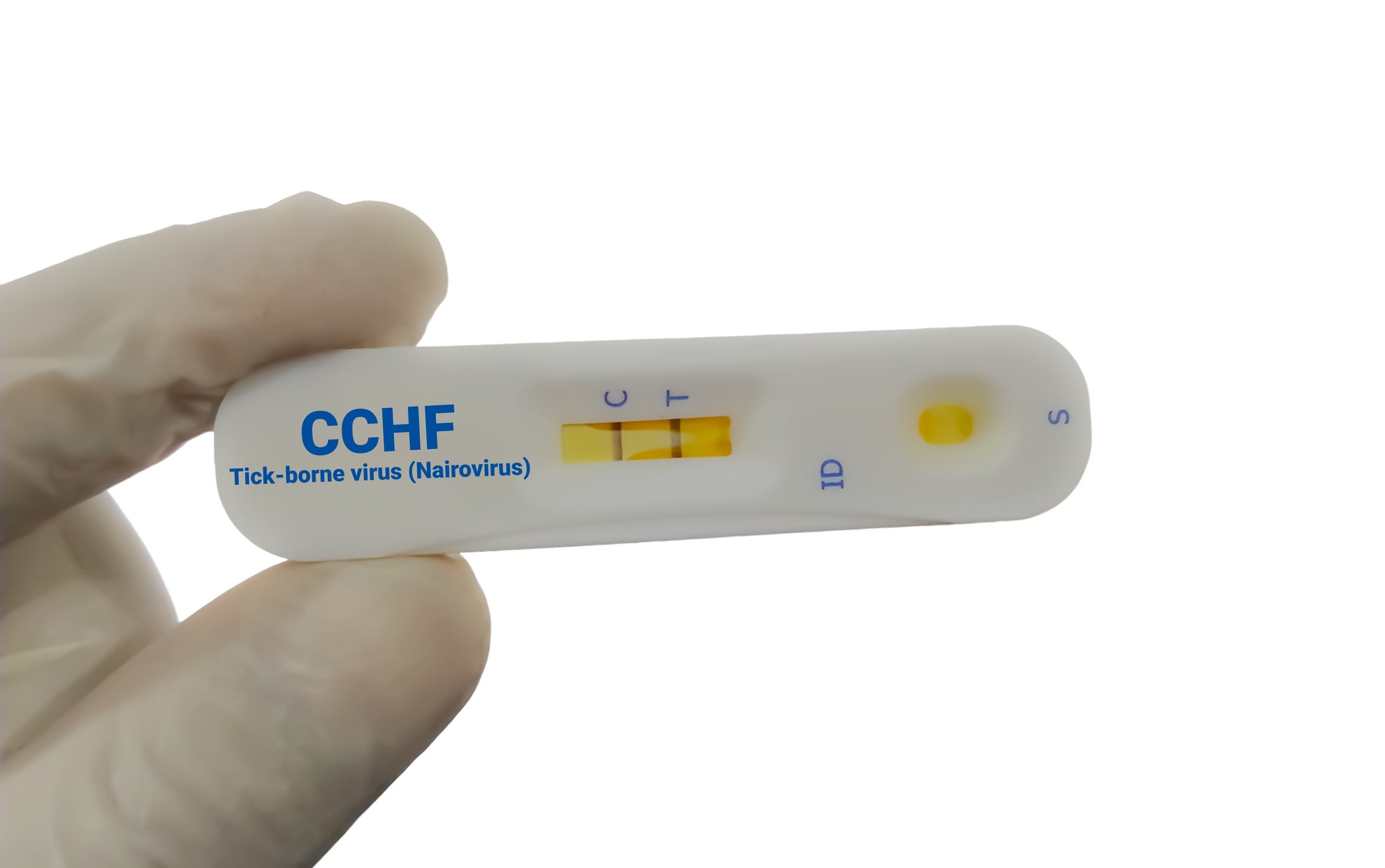
RIVERSIDE, Calif. – Scott Pegan, a professor of biomedical sciences at the University of California, Riverside School of Medicine, has been awarded a five-year, $3.4 million grant from the National Institutes of Health to spearhead an international research effort focused on developing protective antibodies against Crimean-Congo hemorrhagic fever virus (CCHFV).
Designated a priority pathogen by both the World health Association and the National Institute of Allergy and Infectious Diseases, CCHFV serves as the reference virus for the nairovirus genus, which encompasses other emerging pathogens like Benji, Songling, Wetland, Yezo, and the Pacific Coast tick nairovirus.
“The rapid geographic spread and severity of CCHFV infections call for urgent, coordinated research efforts,” said Pegan, the principal investigator of the multi-institutional project, which launched this month. “This project will identify broadly protective antibody candidates that can be developed into potential therapies.”
The collaborative team includes Dr. mohammad Sajadi, a professor of medicine at the university of Maryland School of Medicine, serving as co-principal investigator, and co-investigators Aura Garrison and Joseph Golden, research microbiologists at the U.S. Army Medical Research Institute of Infectious Diseases.
Researchers will study CCHFV survivors in Kazakhstan, Turkey, and Uganda to identify protective antibodies. The project will also investigate the immune system’s response to the virus and aim to create monoclonal antibody treatments effective against various strains for future testing. Monoclonal antibodies are lab-produced proteins designed to mimic the immune system’s virus-fighting capabilities.
“By focusing on non-traditional viral targets, our approach could lead to new, life-saving therapeutics and help establish a framework for addressing future nairovirus outbreaks,” Pegan stated.
Partners in the research include scientists from the Centers for Disease Control and Prevention, Rocky Mountain Laboratories, Uganda Virus Research Institute, Hitit University in Turkey, and South Kazakhstan Medical Academy.
