
DOJ vs.Google: Back to Court for Remedies to break Digital Ads Monopoly
The Department of Justice (DOJ) adn Google are back in court, this time to determine remedies in the ongoing case alleging Google illegally monopolized the digital advertising technology market. While the two parties agree on some behavioral changes, significant disagreements remain, notably regarding the scope and severity of required actions.
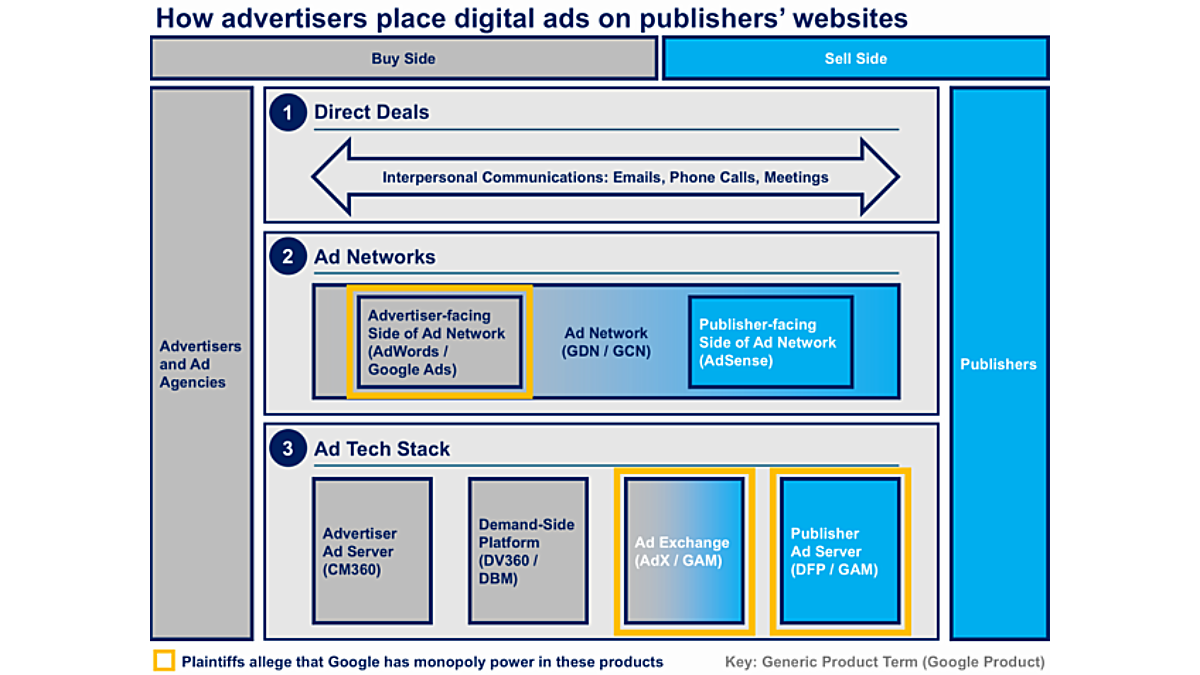
Both sides have identified prohibited behaviors moving forward. Google has proposed ending practices that favor its own services,such as requiring advertisers using AdWords to exclusively utilize AdX to reach publishers. The company also proposes allowing publishers to access AdX demand without being forced to manage their ad inventory through Google’s DFP (now Google Ad manager). Crucially, Google has offered to fully interoperate with header-bidding technology, specifically Prebid, on equal terms with its own platforms.
Further behavioral concessions from Google include eliminating policies like Unified Pricing Rules, which limited publishers’ ability to maximize revenue through competing ad exchanges and reduced reliance on AdX. To ease transitions for publishers,google has also proposed providing tools to facilitate the transfer of publisher data to non-Google ad servers.
However, the core disagreement centers on the extent of these remedies. Google argues that restoring competition to the state it existed in before its alleged illegal practices is sufficient. It actively opposes the DOJ’s consideration of structural remedies, such as divestitures, deeming them “unworkable.” Google points to the remedies ruling in a separate search case, arguing that separating its technologies is “uncertain to succeed” and could lead to “product degradation” and harm consumer welfare.
Beyond the scope of remedies, the parties also differ on the duration of court supervision. Google proposes a six-year compliance period, while the DOJ advocates for ten years. they also disagree on the selection process for a court-appointed monitor, with Google seeking a three-party agreement involving the DOJ, plaintiff states, and itself, subject to court approval.
The DOJ built the Ad Tech case anticipating the possibility of structural remedies, presenting evidence throughout the liability trial to support both behavioral and structural solutions. Though, the DOJ now faces the challenge of demonstrating the feasibility of its proposals, particularly in light of the rulings in the Search case. It must convincingly argue that a combination of behavioral and structural remedies is necessary not only to restore competition to pre-monopoly levels but also to prevent future anticompetitive conduct. The upcoming remedies hearings are expected to be as contentious as those in the Search case, with the DOJ needing to clearly demonstrate the necessity of its approach to break Google’s alleged hold on the digital advertising market.
