
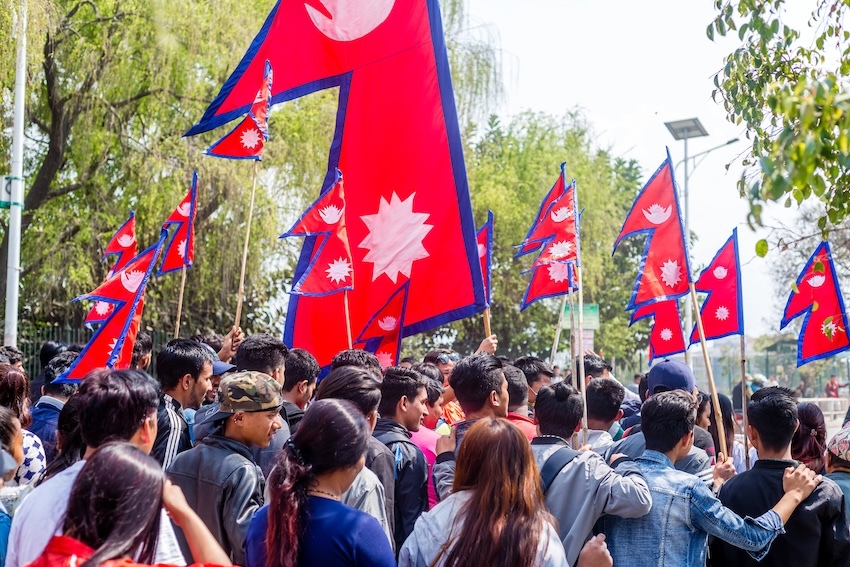
Nepal‘s Gen Z Uprising Signals a Global Trend: Youth Bulges and Political Instability
Kathmandu, Nepal – Recent protests led by Gen Z in Nepal, culminating in a swift political shift, underscore a growing global risk: the potent combination of a large youth population facing economic hardship and limited political inclusion. A surge in demonstrations, fueled by high unemployment and frustration with the status quo, highlights how a “youth bulge” can act as a catalyst for unrest, echoing similar events across the Middle East, Africa, and Asia.
Nepal currently faces a youth unemployment rate of 22.7% for those aged 15-24,a figure that,while projected to fall to around 10.7% in 2024 and between 10-12% in 2025, remains a critical challenge. This demographic pressure, coupled with concerns over corruption and rising living costs, has created a volatile habitat.
Past precedents demonstrate the destabilizing potential of this dynamic. The Arab Spring uprisings in Egypt, Tunisia, and Yemen were largely driven by young people grappling with unemployment and a lack of prospect, with over half the population in these nations under the age of 25 at the time. Similarly, youth-led protests erupted across Sub-Saharan Africa in 2024, including in Nigeria, kenya, Ghana, Uganda, and Mozambique, driven by anger over economic conditions. A recent example is the violent student riots in Bangladesh in August 2024, which led to the overthrow of the Hasina Regime.
However, population size alone isn’t the determining factor.These episodes demonstrate that unrest is most likely to occur when a youth bulge coincides with economic strain, unemployment, and a lack of political inclusion. The youth population acts as a powerful accelerant, substantially increasing the likelihood of protest when other stressors are present.
Looking ahead, Nepal stands at a crossroads. The country’s policymakers have an opportunity to harness the energy of its young population through reforms focused on job creation, tackling corruption, and strengthening democratic institutions. Failure to do so, the analysis warns, risks repeating the pattern seen elsewhere, turning a potential asset into a source of instability.
As the author concludes, the lessons of Nepal’s gen Z revolution – and its repercussions – will resonate globally for years to come, serving as a stark reminder that ignoring the needs and aspirations of youth is a gamble with a nation’s future.
(Source: UNFPA – 12th National Population and Housing Census 2021)
