
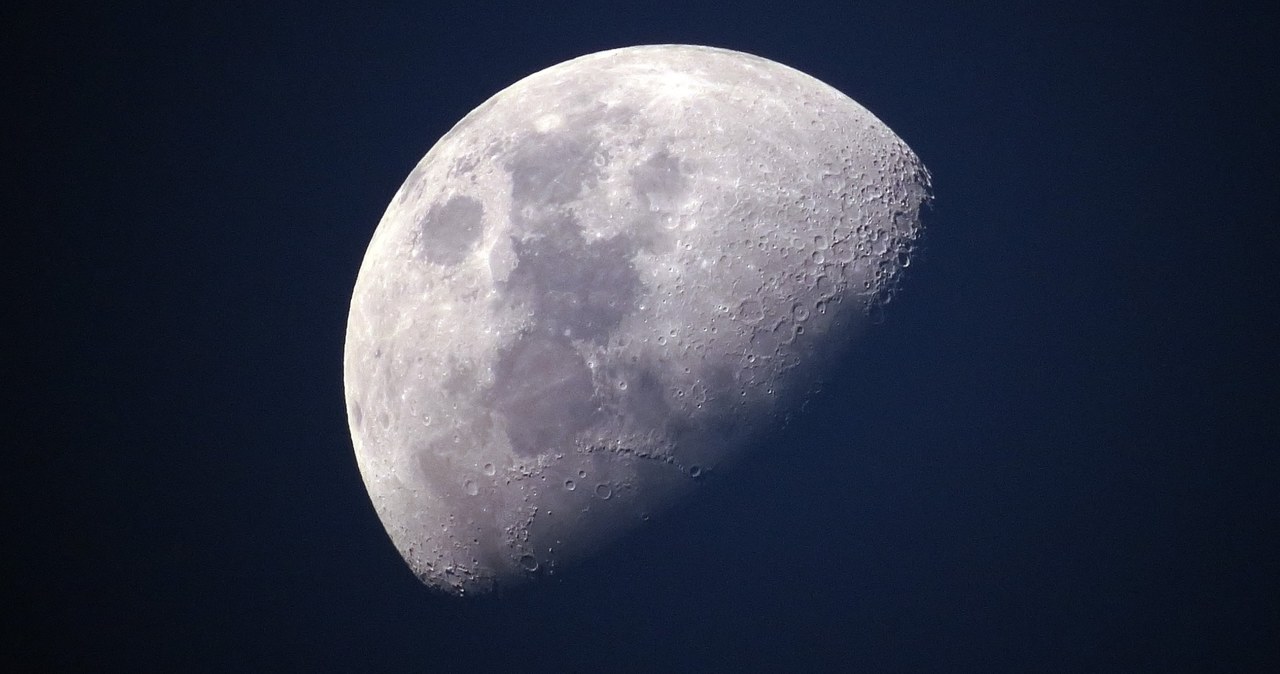
Moon Still Alive: New Understanding of Lunar Activity Could Impact Future Mining, Habitats
WASHINGTON – Contrary to long-held beliefs, the moon is not geologically inert. Scientists are increasingly recognizing ongoing processes and activities shaping its surface, a revelation with important implications for future lunar exploration, resource utilization, and potential habitation.
For decades,the moon was considered a “dead” world,largely unchanged since the solar system’s early history. Though, recent research demonstrates subtle but measurable changes, indicating a dynamic lunar habitat. A more accurate understanding of these processes will be crucial for effectively planning future lunar mining operations and establishing sustainable habitats.
Scholars emphasize that this isn’t a question of volcanic eruptions or plate tectonics, but rather a complex interplay of factors including moonquakes, thermal stress, and the constant bombardment of micrometeorites. These forces contribute to surface alterations and perhaps reveal subsurface resources. The last crewed expedition to the moon, Apollo 17, took place in 1972, and a renewed focus on lunar science is driving this updated understanding.
