
Portugal‘s Labor Reform: Government Enters Negotiations Without “Red Lines,” Announces New Elderly Care Pilot Program
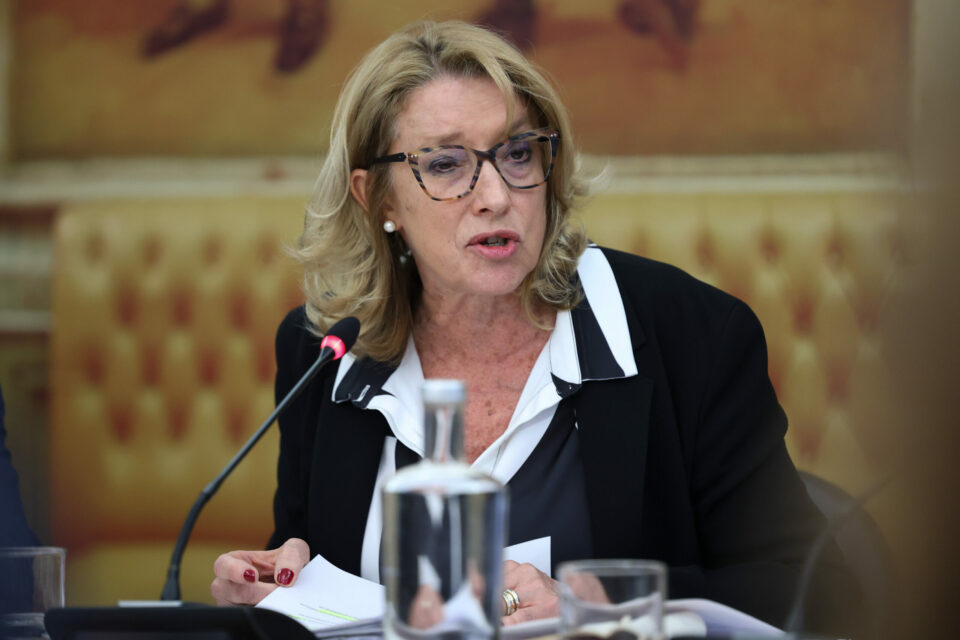
Leiria, Portugal – The Portuguese government is approaching upcoming negotiations on significant labor law reforms with an open mind, according to Minister of Labor and Social security, Rosario Palma Ramalho. Speaking on Monday, the Minister stated the government has not established any non-negotiable demands – or ”red lines” – and hopes opposition parties will adopt a similarly flexible approach.
The proposed reforms,unveiled in July,represent a extensive overhaul of portugal’s Labor Code,encompassing over 100 changes. Ramalho expressed confidence in the negotiation process, citing a positive working relationship with social partners over the past year and a half.
“The government has not placed any red line, but also hopes that the opposition will not do it, because a constructive dialog is without red lines,” she stated during a visit to the groundbreaking ceremony for a new daycare center at the Santo André Hospital in Leiria.
The core aim of the reforms is to address Portugal’s economic challenges, specifically a noted deficit in competitiveness and productivity, coupled with persistently low wages. While seeking to boost economic performance through increased versatility in some labor regulations, the government insists the proposals also prioritize and strengthen workers’ rights, promote collective bargaining, and ensure a balanced approach to the right to strike, particularly concerning essential social services.
“Everything is on the table,” ramalho affirmed, “as long as the government maintains its guiding principle of flexibility within the existing labor framework.” She believes the reforms offer a pathway to raise wages and improve Portugal’s economic standing.
New ”Hospital at Home” Pilot Program for Seniors
alongside the labor reform discussion, minister Ramalho announced a new pilot program aimed at improving care for the elderly. Dubbed “Social Support More Health,” the initiative seeks to provide integrated home support, allowing seniors to remain in their own homes and receive the care they need, rather than relying on institutionalized care.
Developed in collaboration with the Ministry of Health, the program aims to reduce unnecessary emergency room visits and free up hospital beds. Ramalho emphasized that while residential care facilities (erpis) remain crucial, they are not always the best solution for elderly individuals who prefer to remain in familiar
