
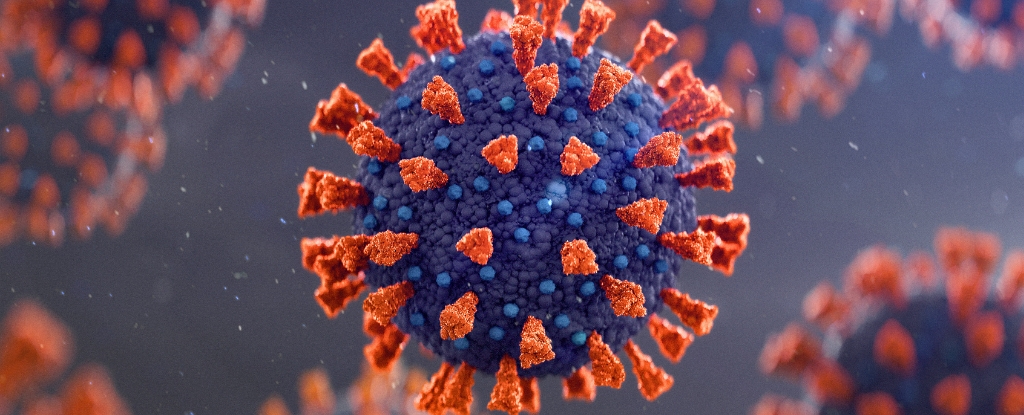
COVID-19 Infection Persisted for Over Two Years in Single Patient, Fueling viral Evolution
New York, NY – A 41-year-old man with advanced HIV-1 experienced a COVID-19 infection that lasted for an unprecedented 613 days – over two years – providing scientists with a unique window into the virus’s prolonged evolution within a single host. the case, detailed in a study published in The Lancet, revealed the virus underwent a mutation rate comparable to that seen across entire communities, even replicating some of the changes that led to the emergence of the Omicron variant.
Researchers, led by Dr. Velasquez-Reyes and colleagues, analyzed viral samples collected from the patient between March 2021 and July 2022. They found that the virus within the patient was evolving, mirroring mutations observed in globally circulating variants, specifically those found in the spike protein of the Omicron variant. This supports the theory that Omicron-like changes can arise from the selective pressures the virus faces inside the human body.
The patient, who believed he initially contracted SARS-CoV-2 in mid-May 2020, was not receiving antiretroviral therapy for his HIV-1 at the time and lacked access to adequate medical care while experiencing respiratory symptoms, headaches, body aches, and weakness. A severely compromised immune system, with a helper T-cell count of just 35 cells per microliter of blood (compared to a healthy range of 500 to 1,500), allowed the virus to persist for an unusually long duration.
Despite the prolonged infection, researchers believe the virus did not spread to others.”The inferred absence of onward infections might indicate a loss of transmissibility during adaptation to a single host,” the research team suspects.
However, scientists caution that not all long-term infections will follow the same evolutionary path, emphasizing the need for continued monitoring of COVID-19 and equitable access to healthcare. “Clearing these infections should be a priority for health-care systems,” the researchers conclude.
Public health officials continue to urge communities to stay up-to-date with COVID-19 vaccinations and consider masking in crowded, enclosed spaces to reduce the risk of problematic mutations.
