
The Weight of the Willow: Cricket, Conflict, and a Nation’s Conscience
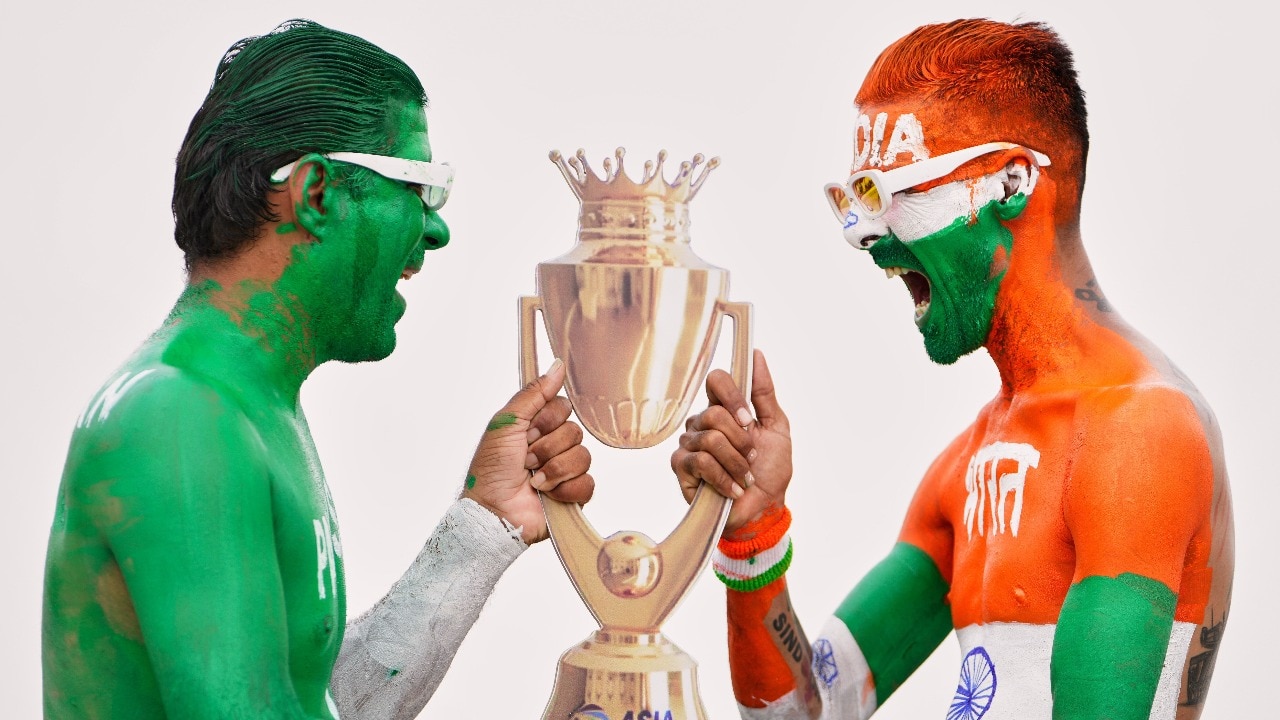
The roar of the crowd will echo in Dubai this Sunday as India and Pakistan clash in the Asia Cup.But unlike past encounters,the excitement is tempered,overshadowed by a national grief and a simmering debate about the place of sport in the face of ongoing conflict. The match unfolds against the backdrop of recent tragedies – the loss of lives in Pahalgam, and the ongoing tensions along the border - forcing a nation to confront a difficult question: can cricket truly be ’just a game’ when the wounds of cross-border terrorism remain so raw?
The Indian government maintains a firm stance: bilateral cricket ties with Pakistan remain suspended, a consequence of strained political relations. Participation is limited to multi-national tournaments, a policy ostensibly designed to avoid appearing reluctant to engage with the global sporting community as India prepares bids for the Olympics and Commonwealth Games. This approach, as reiterated by IPL chairman Arun Dhumal, is presented as adherence to governmental advice, a careful balancing act to avoid international censure.
The policy isn’t without its critics. A recent petition to the Supreme Court, seeking to halt the Asia Cup match, argued that national interest should supersede sporting considerations, even suggesting the BCCI be brought under the Ministry of Sports. The court declined to expedite the matter, but the attempt underscores the depth of feeling surrounding the issue.
The rationale behind the limited engagement is pragmatic. India doesn’t want to be perceived as isolating itself on the world stage, notably as it seeks to host major international events. Furthermore, restricting encounters to neutral venues and multilateral competitions allows the government to avoid accusations of making political concessions. To outright ban Pakistan from tournaments governed by international federations would be a violation of established sporting norms, specifically the olympic Charter’s Rule 44, which prohibits discrimination based on political grounds.
Yet, this adherence to international protocol doesn’t quell the unease.While india can choose not to play bilateral matches, it’s bound by the rules of global sporting bodies.this creates a paradox: a nation grappling with the pain of loss, forced to participate in a spectacle with the very country it holds accountable for acts of violence.
The financial implications are undeniable.Broadcasters stand to profit, and the ICC and ACC will share considerable revenues. But for many in India, the economic benefits feel hollow. For the families mourning loved ones in Pahalgam,for the soldiers stationed on the border,and for citizens questioning the logic of continuing the game,this is far more than a sporting contest.
If diplomatic ties can be severed, visas cancelled, and even crucial water treaties suspended, why is cricket seemingly exempt? Is it simply the weight of the financial stakes, or has international prestige been prioritized over national sentiment? Is the pursuit of hosting global sporting events deemed more crucial than honoring the memory of those lost to violence? And if boycotting matches in ICC tournaments risks international isolation, dose that justify compromising the nation’s conscience?
Every handshake, every shared moment between players, will be scrutinized, analyzed, and interpreted. But in India, the cheers will likely be muted, the applause restrained. Behind every run scored and every wicket taken lies a profound,unresolved question: can the game truly go on when the wounds of conflict are still so fresh?
This match,steeped in history and rivalry,carries a heavier burden than ever before. It’s a stark reminder that even in the realm of sport, the lines between competition and consequence, between entertainment and empathy, are ofen blurred. And as the first ball is bowled, the world will watch, but India will grapple with a question that extends far beyond the boundary rope: in the clash between profit and patriotism, which side has truly won?
