
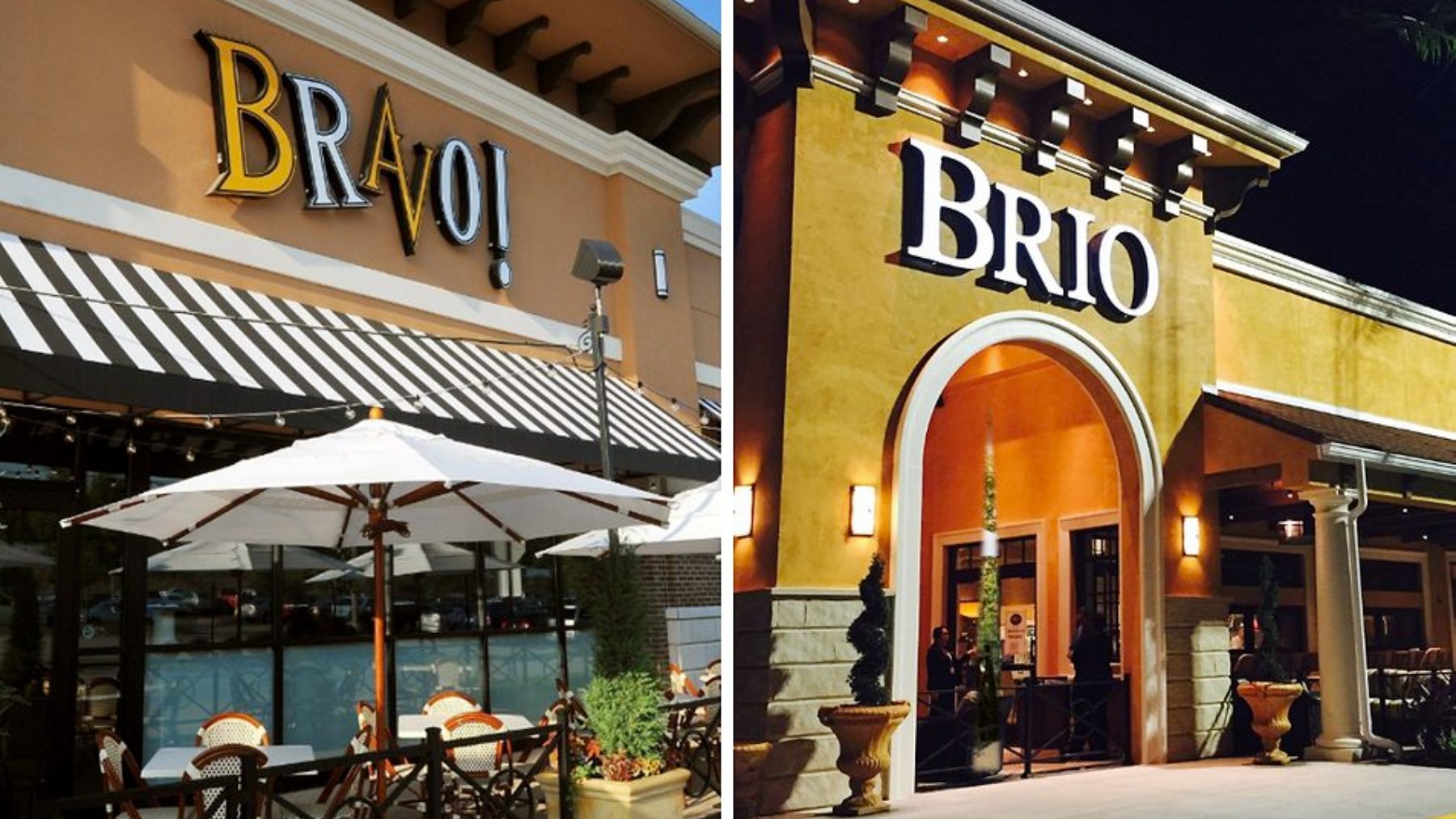
brio and Bravo Restaurants Face Uncertain Future After Bankruptcy Filing
Brio and Bravo restaurants have filed for bankruptcy, putting the future of 48 locations across the United States in jeopardy.The filing, reported in Chapter 11, reveals the company lists assets between $50 million and $100 million, while carrying debts exceeding $50 million.
The financial strain is already impacting operations, with several restaurants closing abruptly. Brio locations in Beavercreek,Ohio,and Delaware shuttered on the same day the bankruptcy was declared. Prior to this, restaurants in Virginia and Missouri had already closed, signaling growing financial difficulties for the chains.
This isn’t the first time Brio and Bravo have faced a financial crisis. In 2020, the restaurants were acquired by Earl Enterprises, owner of Planet Hollywood and Bertucci’s, following a previous bankruptcy. While the acquisition initially appeared to offer a fresh start, the same challenges resurfaced four years later, suggesting the initial rescue was only a temporary fix.
Currently, the company operates 25 Brio and 23 Bravo restaurants. While the company intends to keep most locations open during financial restructuring, each restaurant’s viability is under review. Restaurants unable to cover expenses face potential permanent closure, impacting employees, suppliers, and customers.
Several factors contributed to the chains’ financial woes:
* High rents and operating expenses.
* Inflation, increasing the cost of ingredients and labor.
* Decreased consumer spending on dining out.
* Shifting consumer preferences towards fast-casual dining and delivery services.
* Outstanding debts from previous financial struggles.
Brio and Bravo are not alone in facing these challenges. Other prominent food chains, including Red Lobster, TGI Fridays, Hooters, and Tijuana Flats, have recently filed for bankruptcy or undergone significant downsizing, demonstrating broader pressures within the food industry.
Despite the bankruptcy filing, many Brio and Bravo restaurants remain open and continue to serve customers. However, the long-term future of the chains remains uncertain. The company owes approximately $900,000 in unpaid salaries and nearly $1.9 million to Sysco, one of the largest food suppliers in the United States.
