
Martian Rover Spots ‘Turtle Rock’ on Red Planet, Highlighting Planet’s Unusual Landscape
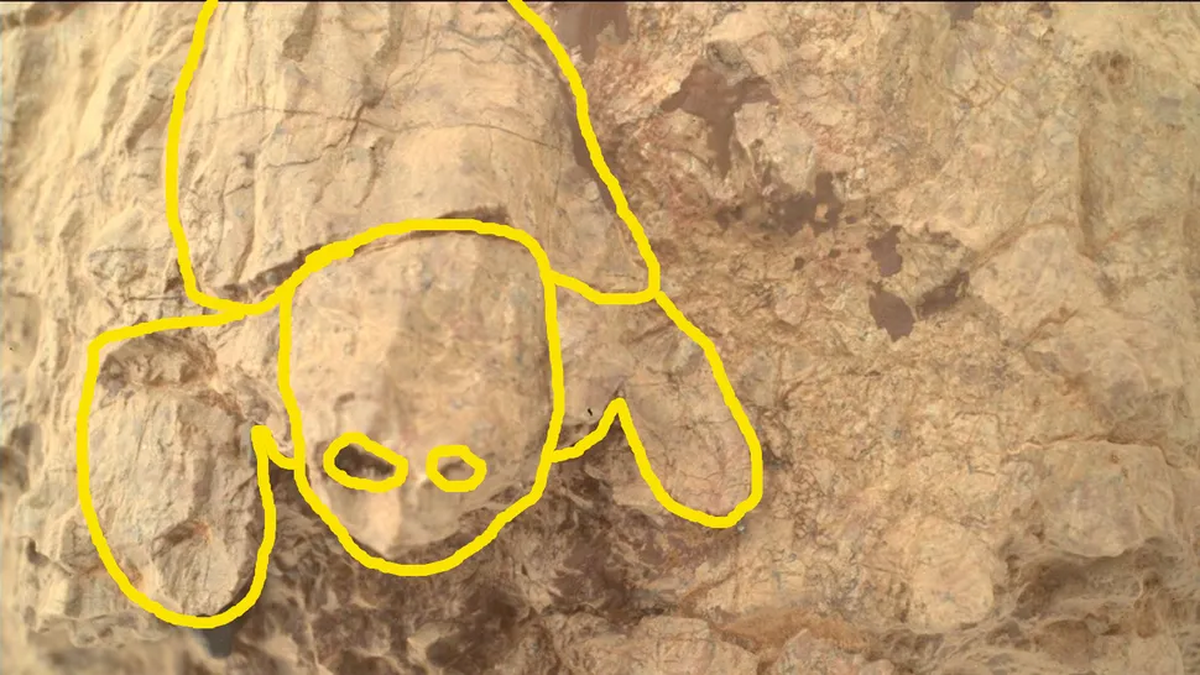
JEZERO CRATER, MARS – NASA’s Perseverance rover has captured an image of a rock formation on Mars resembling a turtle, adding to a growing catalog of curiously shaped geological features discovered during the mission. The image, released today, showcases the rock’s distinct head, body, adn limb-like projections, sparking fascination among scientists and the public alike.
The discovery underscores the unique erosional processes and mineral compositions at play on Mars, contributing to a deeper understanding of the planet’s geological history. While the “turtle rock” is likely a result of natural weathering and pareidolia - the human tendency to perceive familiar patterns in random stimuli – its existence highlights the often-surreal Martian landscape and the rover’s ongoing role in unraveling its mysteries. Perseverance has been exploring Jezero Crater for over five years, sending back thousands of images that reveal a planet sculpted by wind, dust, and ancient water activity.
This isn’t the first time the rover has encountered seemingly familiar shapes. In August, Perseverance photographed a rock resembling a “medieval helmet,” and in April, another formation appeared to mimic a “skull.” Orbital imagery has also revealed formations resembling a dog near the northern pole, a smiling teddy bear, and groups of “spiders” traversing the surface.
Scientists emphasize that these perceived shapes are a natural consequence of the human brain seeking patterns, even in the random arrangements of rocks and dust. Though, each discovery fuels continued exploration and analysis, providing valuable data about the Martian environment and the forces that have shaped it over billions of years. The Perseverance rover continues its mission to collect samples for potential return to Earth,seeking evidence of past microbial life and furthering our understanding of the red planet.
