
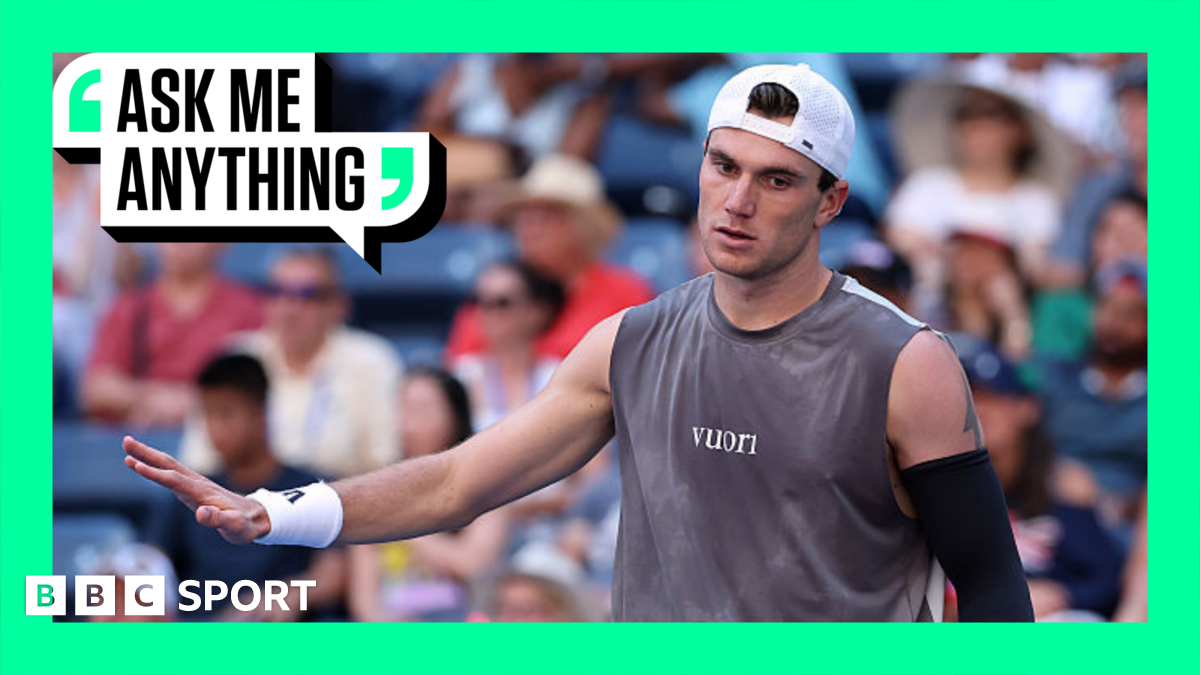
Jack Draper‘s US Open Injury: Understanding Tennis’ Protected Ranking System
NEW YORK – British tennis player Jack Draper’s shoulder injury forcing his retirement during his US Open third-round match has sparked questions about how rankings work for players returning from injury. A “protected ranking” system exists to help top players re-establish themselves on tour, but the rules differ for men and women.
Tennis’ protected ranking system allows players to enter major tournaments – including Grand Slams – even if their world ranking has fallen during an extended absence, typically due to injury. It’s a crucial mechanism for players who would otherwise struggle to gain entry to the main draw or qualifying rounds. Entry to Grand Slam main draws is generally determined by world ranking, with a cutoff point currently around number 100.Protected rankings offer a pathway for those who have dropped below this threshold to compete directly.
However, a protected ranking does not guarantee seeding, meaning players utilizing it may face higher-ranked opponents earlier in a tournament. Players must petition the ATP (Association of Tennis Professionals) for men or the WTA (Women’s Tennis Association) for women, to be eligible, demonstrating an absence of at least six months due to a physical injury. Players returning from maternity leave also qualify for a protected ranking on the women’s side.The calculation and duration of a protected ranking differ between tours. For men, the protected ranking is based on the player’s average ranking over the three months prior to the injury. This ranking can then be used for the first nine tournaments or months following their return to competition – whichever comes first.If a player is sidelined for more than a year,this allowance extends to 12 tournaments or months.Women’s protected rankings are simpler: a player’s ranking at the time of injury is frozen and can be used for eight tournaments within a single season. This extends to 12 tournaments if the absence exceeds one year.
This data is the latest from BBC Sport’s Ask Me Anything team.
