
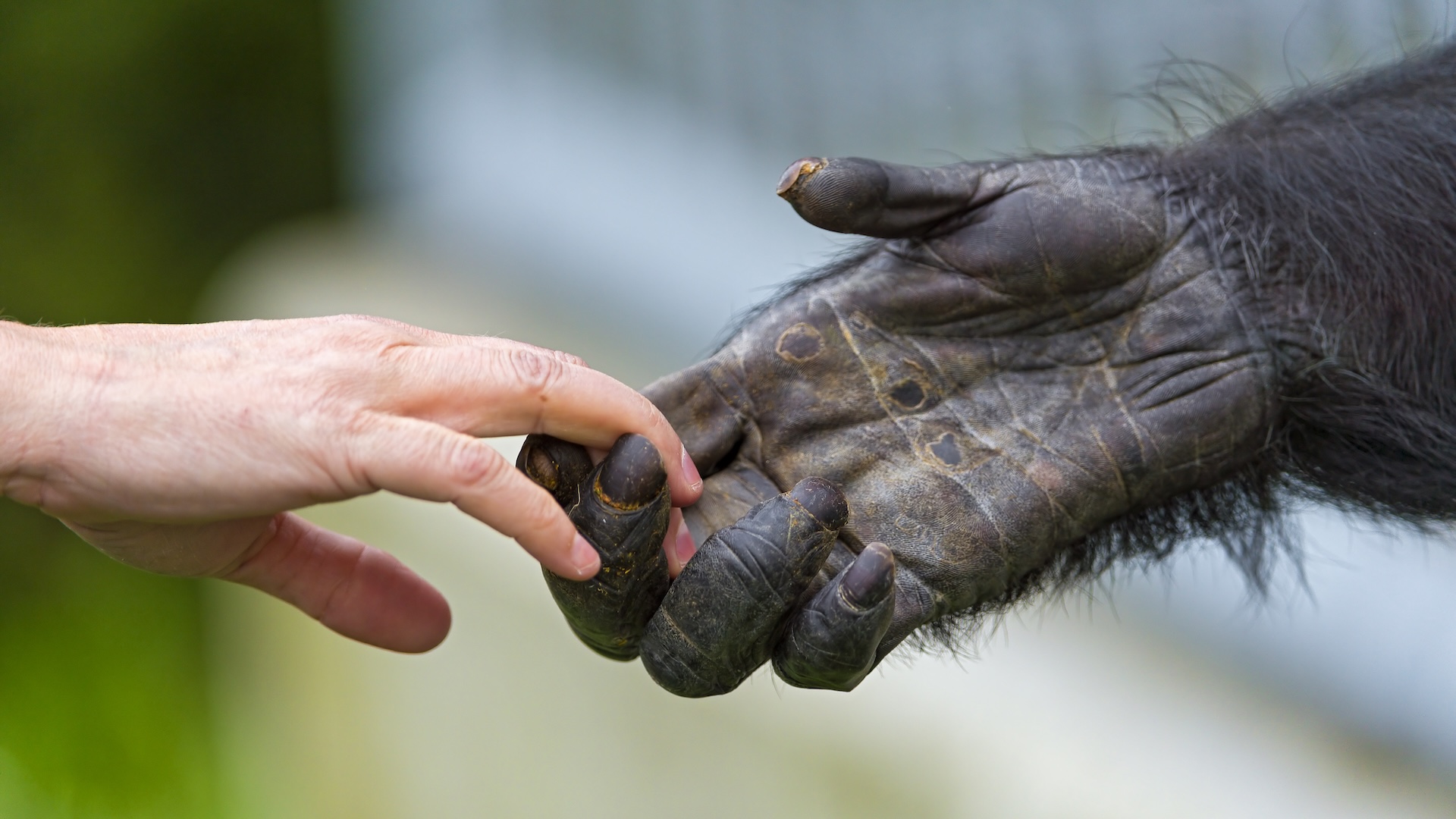
Long-Held Belief Challenged: Human and Chimpanzee DNA Difference is Substantially Larger Than Previously Thought
Recent research indicates humans and chimpanzees share considerably less DNA than the widely cited 99% figure. A groundbreaking
The significant differences aren’t necessarily in the genes that code for proteins, but rather in noncoding DNA, wich comprises roughly 98% of the genome. According to David Pollard, these noncoding regions contain “regulatory regions” that control when and where proteins are made, acting as crucial genetic switches. “A small change in the DNA can have big consequences for how that DNA is expressed,” adds David Haussler, “and, in turn, changes in expression can lead to even bigger changes in phenotype - the scientific term for traits like hairy or not, large or small, etc.”
While humans and chimps utilize essentially the same “genetic tool kit” of proteins, the way these tools are deployed differs significantly. As Teresa Marques-Bonet explains,even subtle alterations in these regulatory regions can trigger substantial variations in traits. Pollard summarizes the implications: “Humans and chimps are made up of essentially the same building blocks (proteins),but these are used in somewhat different ways to make a human versus a chimp.”
