
France Faces Political Uncertainty as Debt Crisis Mounts, Prime Minister Bayrou at Risk of No-Confidence Vote
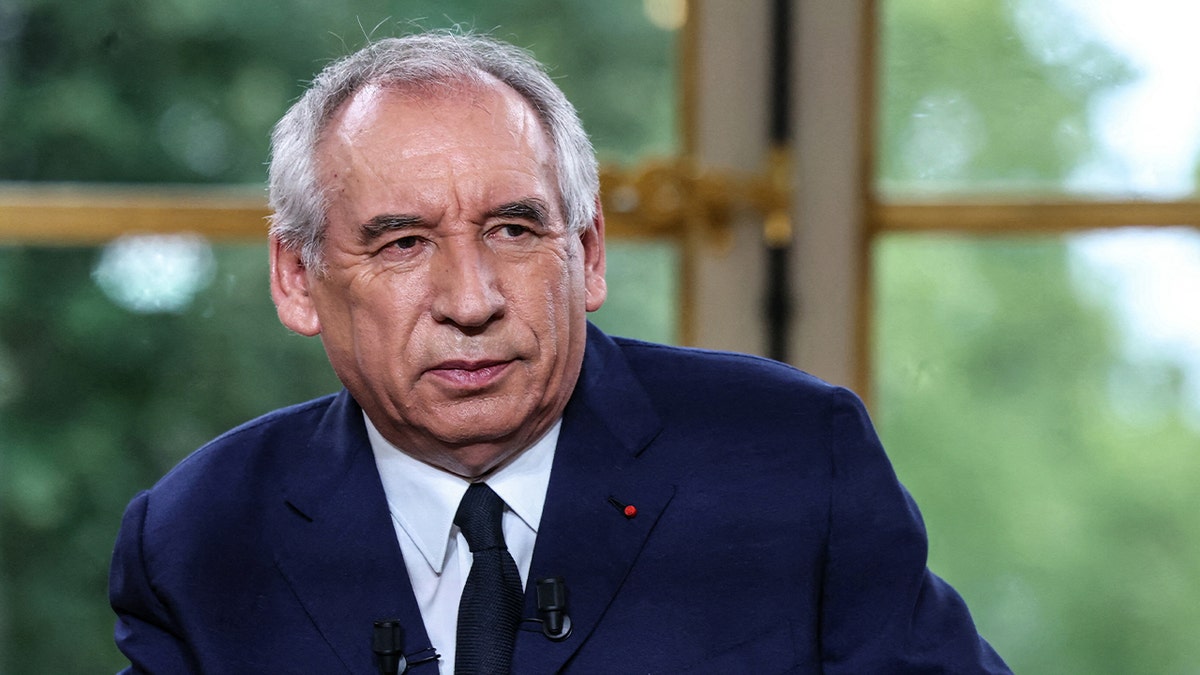
PARIS – France is navigating a deepening debt crisis and political instability as Prime minister François Bayrou faces a potential no-confidence vote as early as Monday. The turmoil in French parliament has raised concerns at the European Central Bank, which oversees the eurozone’s monetary policy.
Yields on French bonds have already increased by one-tenth of a percentage point, pushing borrowing costs above those of neighboring Germany. Despite the rising yields, analysts suggest a broader eurozone impact remains unlikely. “The underlying demand is still good and unlikely to see a destabilizing situation in the financial markets,” stated analyst Vincent Haddad, adding that “the bonds are relatively healthy.”
The crisis underscores France’s ongoing struggle wiht mounting debt, a problem exacerbated by broader cultural shifts, according to Ben Habib, founder of the new British political party Advance U.K. Habib argues a ”dependency culture” has taken root in Europe, including the U.K., with too many relying on government assistance instead of self-generated income. This, he contends, has contributed to slower economic growth and escalating government debt across the continent – including in france, Italy, and the U.K. “It’s remarkable to me that we haven’t already hit the skids,” Habib said.
The situation highlights the challenges facing President Macron’s government as it attempts to address France’s fiscal woes. The potential collapse of parliament adds another layer of complexity to the economic outlook.
Reuters contributed to this report.
