
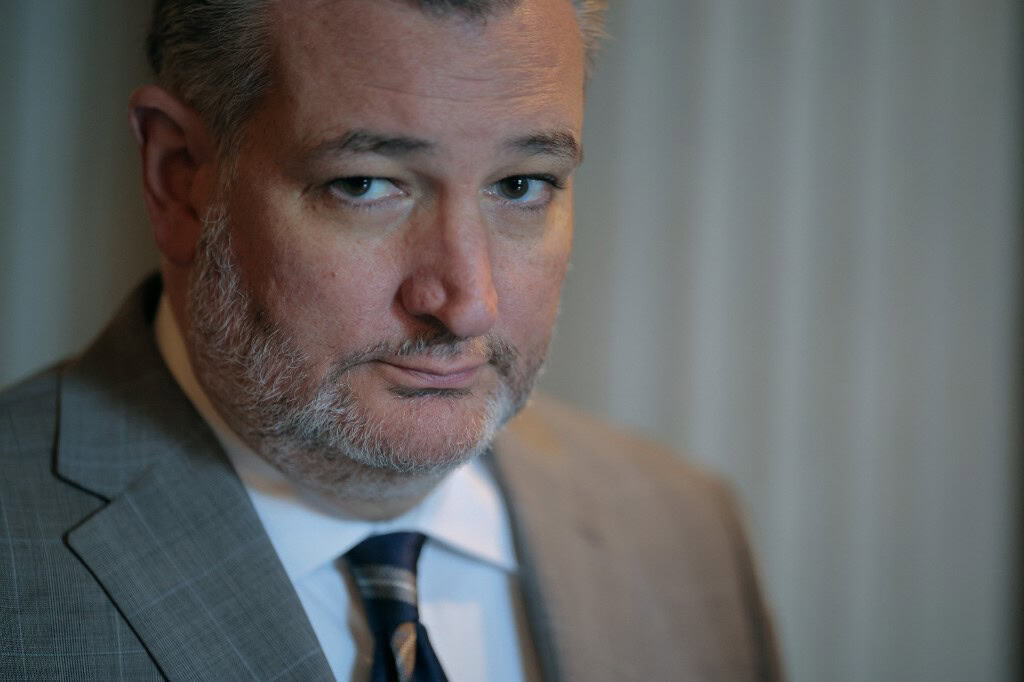
Senator Cruz Raises Concerns Over China‘s Influence in central America
During a recent Senate Foreign Relations Committee hearing, U.S. Senator Ted Cruz expressed strong concerns regarding China’s expanding influence in Central America, particularly focusing on Costa Rica‘s established relationship with Beijing. He questioned nominees regarding strategies too counter growing Chinese pressure in the region.
The hearing followed a late August trip by Senator Cruz to El Salvador, Panama, and Mexico, where he observed firsthand what he described as a long-term Chinese strategy built over years of limited U.S. attention.He asserted that current U.S. policies have inadvertently created opportunities for increased Chinese involvement.
in Panama, Senator Cruz toured the Panama canal and observed Chinese-constructed projects, voicing concerns that these could provide Beijing with leverage over the vital trade route. He emphasized the importance of preventing China from utilizing the canal or its associated ports as instruments of influence.
turning to Costa Rica, Senator Cruz highlighted the country’s diplomatic ties with China, established in 2007 – the longest such partnership in Central America. He noted meaningful Chinese investment in Costa Rica, while simultaneously recognizing the nation’s continued role as a key U.S. ally and a potential partner in rebuilding relationships throughout Latin America. He specifically inquired about supporting Costa Rica’s resistance to perceived Chinese coercion.
One nominee responded by characterizing Chinese expansion in the western Hemisphere as a direct threat to U.S. security and supply chains. They affirmed Costa Rica’s importance to regional stability and pledged increased collaboration with Costa Rican leaders and businesses to limit China’s reach. A key priority, the nominee stated, would be assisting Costa Rica in securing reliable partners for 5G network advancement and telecommunications upgrades.
Senator cruz’s concerns align with broader U.S. anxieties about China’s role in Latin America. China currently maintains free trade agreements with Costa Rica, Chile, and Peru, fostering economic connections that some view as strategic outposts. Concerns have also been raised in Panama regarding Chinese projects near the canal, though Panamanian authorities have maintained safeguards against external control.
During his regional visit, Senator Cruz engaged with leaders on security matters. He commended El Salvador’s efforts to combat gang violence and encouraged Mexico to implement similar measures against drug cartels, emphasizing the importance of a strong U.S.-Mexico partnership for security on both sides of the border. While details of his visit to Costa Rica were not publicly released, his statements during the hearing indicate the country remains a central focus in his efforts to counter Chinese advancement.
The hearing reflects ongoing Congressional debate regarding strategies to counter China’s influence in the region, echoing previous discussions and expert warnings about Beijing’s infrastructure investments as potential avenues for broader control. Senator Cruz has consistently been a leading voice on these issues,extending to areas like space exploration and energy,frequently linking them to national security concerns.
The confirmation of the nominees and their stated commitments could significantly shape U.S. policy in Central America, underscoring a renewed focus on allies like Costa Rica as competition with China intensifies.
