
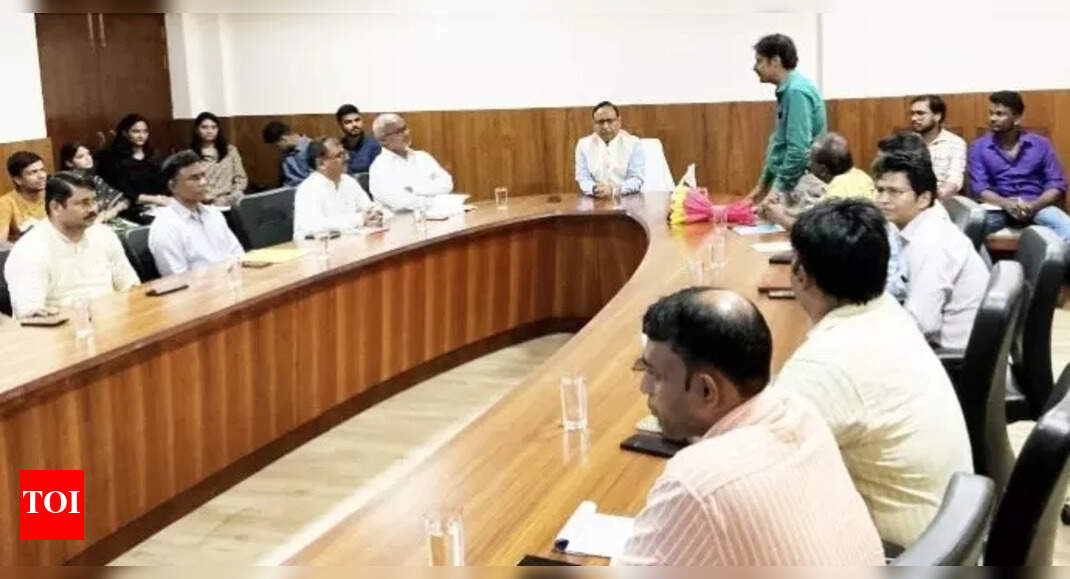
experts in Patna Analyze Potential Impact of US Tariffs, Advocate for Diplomatic Solutions
Patna, India – September 6, 2025 – A panel of economists and international trade specialists convened in Patna today to dissect the implications of recently proposed US tariffs and urged a strengthening of diplomatic efforts to mitigate potential economic fallout. The discussion, held at the Bihar Chamber of Commerce and Industry, centered on the anticipated effects on indian exports, particularly in sectors like steel, aluminum, and textiles.
The proposed tariffs, announced by the US management last week, have sparked concerns about escalating trade tensions and a potential slowdown in global economic growth. Experts emphasized the vulnerability of Indian businesses reliant on the US market and highlighted the need for proactive measures to diversify export destinations and enhance domestic competitiveness. the forum underscored that a retaliatory tariff approach could further destabilize international trade, impacting both economies.
“The imposition of tariffs is rarely a productive long-term solution,” stated Dr. Arun Kumar,a professor of economics at Patna University. ”While intended to protect domestic industries, they often led to higher prices for consumers and disrupt established supply chains.” He further explained that the tariffs could disproportionately affect small and medium-sized enterprises (SMEs) in India, which lack the resources to easily navigate complex trade barriers.
Participants also debated the potential for the tariffs to influence ongoing negotiations for a broader trade agreement between the US and India. Several speakers advocated for increased dialogue between the two nations to address underlying trade imbalances and resolve disputes through diplomatic channels.
“Stronger diplomacy is crucial at this juncture,” asserted Ms. Priya Sharma, a trade policy analyst with the Confederation of Indian Industry. “India needs to actively engage with the US to articulate its concerns and explore mutually beneficial solutions. A collaborative approach is far more likely to yield positive results than a confrontational one.”
The panel agreed that the Indian government should prioritize supporting affected industries through financial assistance, export promotion schemes, and skill development initiatives. They also recommended investing in research and development to foster innovation and enhance the competitiveness of Indian products in the global market. The discussion concluded with a call for continued monitoring of the situation and a commitment to proactive engagement with stakeholders to navigate the evolving trade landscape.
