
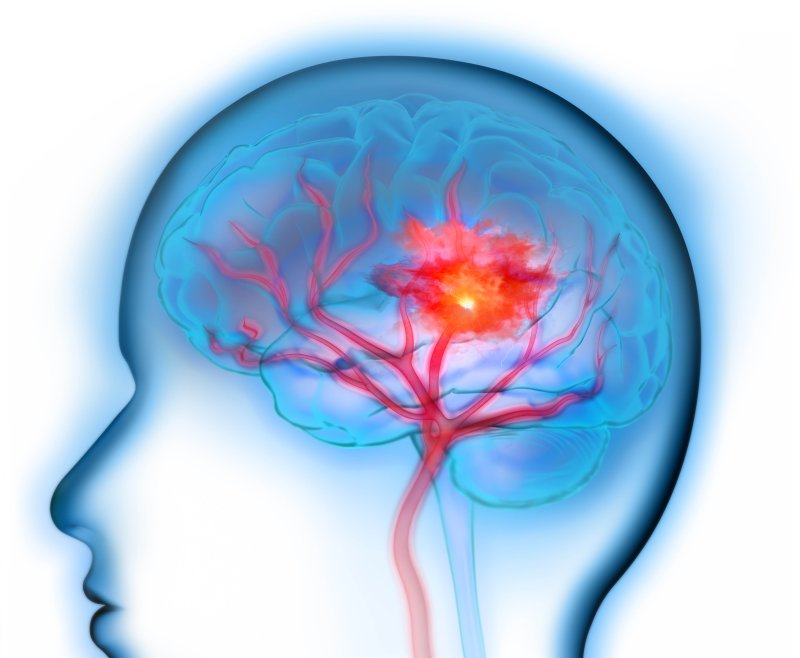
New Research Offers Hope for Complete Stroke Recovery
Seoul, South Korea – September 5, 2025 – A groundbreaking finding by UCLA researchers is offering renewed hope for considerably improved recovery outcomes for stroke patients. The research,detailed in a recent New York Times report,centers around the role of a specific cell receptor,CCR5,in hindering the brain’s natural healing process after injury.For years,medical interventions for brain damage,including stroke,have yielded limited and often unpredictable results. While rehabilitation is commonly recommended, complete recovery remains elusive for the vast majority of patients. Dr. Thomas Carmichael, Director of Neurology at UCLA Medical School, sought to overcome these limitations and unlock the brain’s full potential for healing.
The breakthrough stemmed from the work of UCLA’s Professor Alcino Silva, who studied mutant mice exhibiting enhanced learning and memory. These mice lacked genes encoding the CCR5 receptor. Dr. Silva hypothesized that CCR5 plays a role in triggering inflammation following brain damage. Interestingly, the CCR5 receptor is absent in healthy human brains but appears throughout the brain after injury.
Dr. Carmichael realized that CCR5 might potentially be shortening the critical plasticity period – the time when the brain is most receptive to repair – effectively suppressing its own recovery mechanisms. This theory was supported by observations of the mutant mice, which demonstrated faster and more complete recovery from brain damage.
To confirm if this phenomenon occurred in humans, neurologist Aenor Ben Asaag of Tel Aviv University analyzed genetic data and cognitive evaluation results from 600 stroke patients with dementia. The analysis revealed that patients with naturally occurring CCR5 mutations exhibited significantly better scores in language, memory, and attention. This established a genetic link between CCR5 and stroke recovery.
Further examination led to the identification of an existing drug with a similar effect to the CCR5 mutation: Maraviroc, an FDA-approved medication used to treat HIV/AIDS.Maraviroc works by blocking CCR5 receptors, preventing the AIDS virus from entering cells. No one had previously recognized its potential impact on brain recovery.
Dr. Carmichael published a paper in 2019 demonstrating that Maraviroc strengthens nerve plasticity after brain damage. Building on this foundation, Dr. Carmichael has now successfully developed a new drug that is even more effective than Maraviroc at promoting recovery through internal brain exercise.
While several years of clinical trials are still required before the new drug becomes available, Dr. Carmichael expressed optimism about its potential to revolutionize stroke rehabilitation and offer the possibility of full recovery for patients.
(Image = provided by Seoul National University Hospital)
https://www.newsis.com/?ref=chul
yjkang1@newsis.com unauthorized reserved-No redistribution.Copyright ⓒ Empathy Press Newsis News Agency.Unauthorized reprint-prohibited redistribution.
