
Canada’s Deepening Indonesia Partnership: Balancing Defense, Trade, and Democratic Values
Canada is pursuing a multifaceted approach to its relationship with Indonesia, strategically integrating defence cooperation with economic engagement and a commitment to democratic principles. Recent developments highlight both opportunities and challenges for Ottawa as it seeks to establish a sustained presence in the Indo-Pacific region.
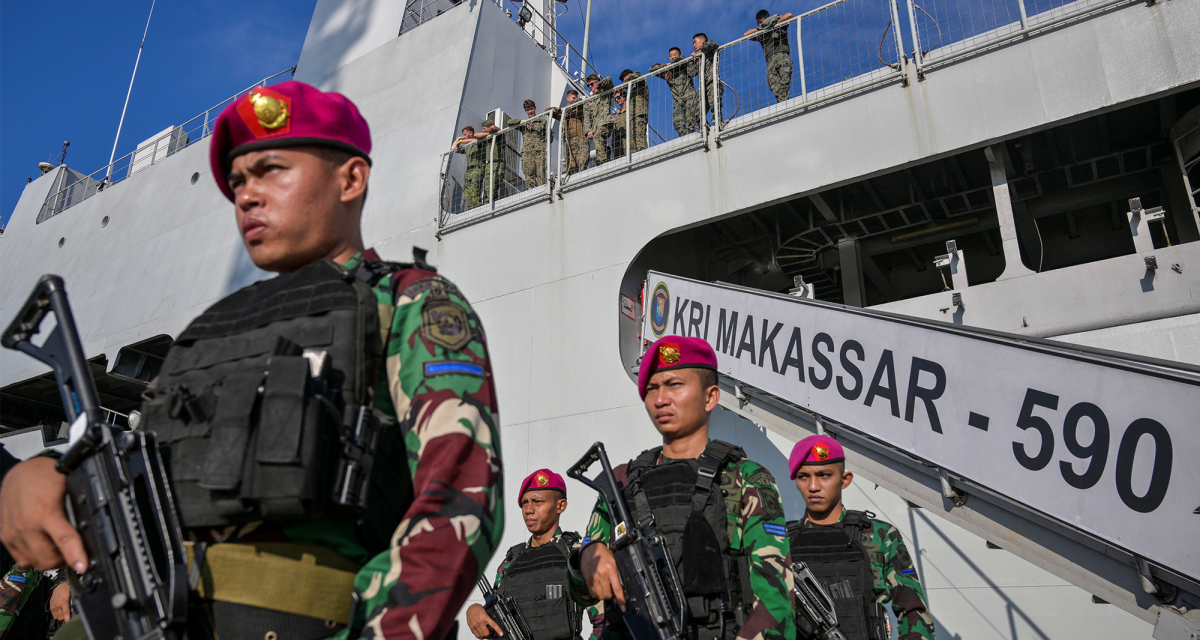
A key component of this strategy is bolstering military cooperation. Participation in Super Garuda shield 2025 provided a valuable prospect to test interoperability, crisis response coordination, and humanitarian assistance capabilities alongside regional partners. The focus now shifts to institutionalizing these collaborative activities to ensure long-term continuity and deepen defence ties. This includes ongoing operation and capacity-building programs.
Parallel to security initiatives, the anticipated conclusion of Canada-ASEAN Free Trade Agreement negotiations in 2025 presents a significant opportunity to embed bilateral defence cooperation within a broader regional economic framework. Aligning security initiatives with economic engagement is seen as a way to enhance Canada’s credibility and influence. However, success will require navigating ASEAN’s consensus-based approach and the complex regional dynamics of hedging between major powers. Ottawa’s ability to offer specialized capabilities, demonstrate reliability, and provide practical contributions will be crucial in shaping the depth and longevity of its Indo-Pacific engagement.
Recent political developments in Indonesia necessitate a careful approach. in march, amendments to Indonesia’s defence policy expanded the military’s role in civilian affairs, echoing elements of the former “dwifungsi” doctrine - a system where the military held significant roles in both security and civilian governance.This doctrine was formally abolished in 1998 after three decades of military involvement in politics and management.The revival of this expanded military role has sparked concern, particularly in light of escalating protests beginning in late august. These demonstrations, initially focused on legislative perks and cost-of-living issues, turned violent following the death of a delivery driver and fueled broader anger over alleged police brutality and the Prabowo administration. The government’s response to these protests, involving the deployment of security forces, has intensified scrutiny of the increasing militarization of civilian life, with clashes reported in Jakarta and Makassar.
As Indonesia updates its National Defence Policy for 2025-29, it faces the challenge of strengthening security while upholding democratic norms. For Canada, this underscores the importance of integrating defence cooperation with support for openness, accountability, and a balanced civil-military relationship. This integrated approach is vital for maintaining credible and sustainable partnerships in the region.
(Edited by Vina Nadjibulla, Vice-President Research & Strategy, and Ted Fraser, Senior Editor, APF Canada.)
