
Brazilian Scientists Uncover New Plant Genus, Resolving a 50-Year-Old Fossil Mystery
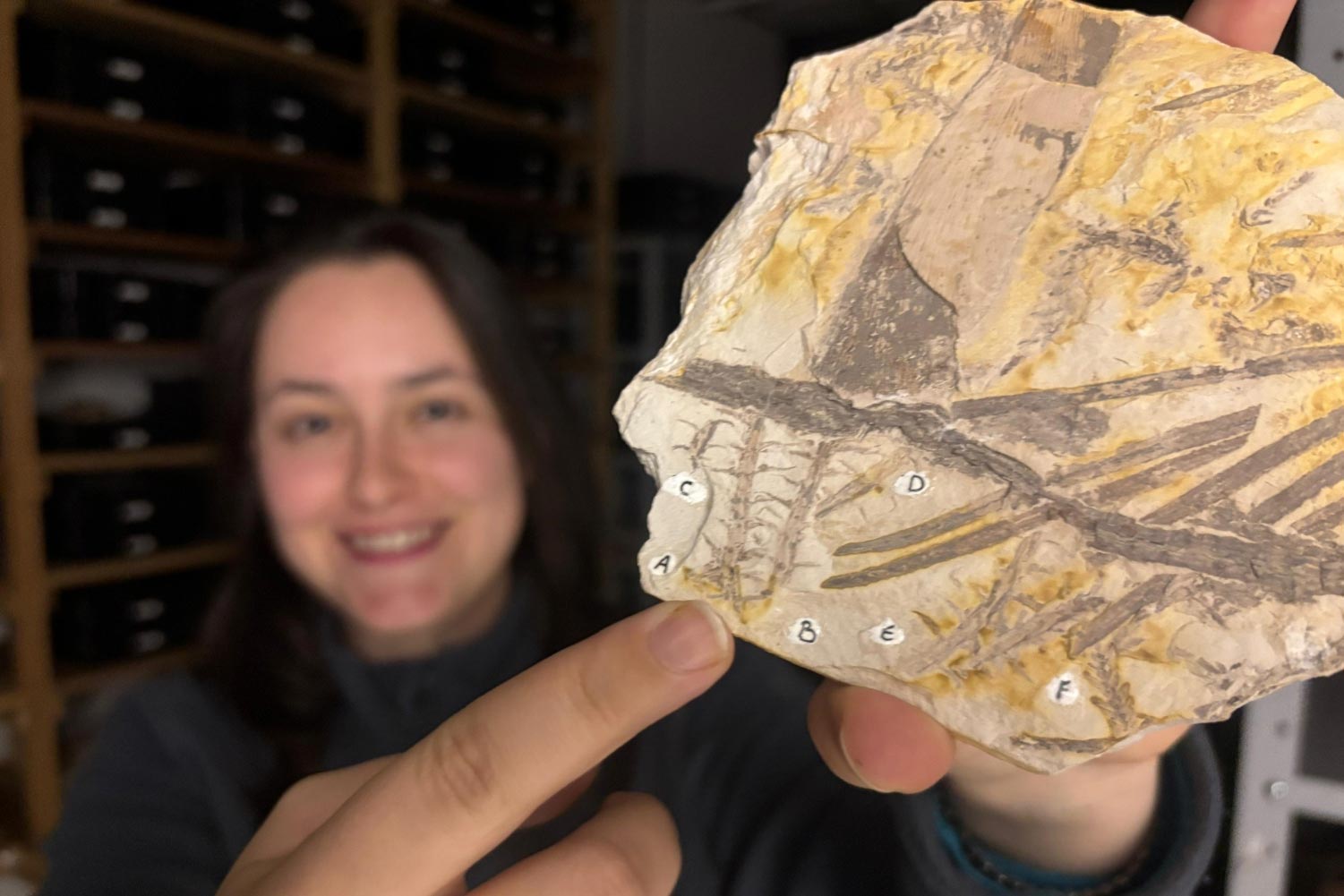
A team of Brazilian scientists has redefined a fossil plant previously known as franscinella riograndensis, establishing it as a new genus and resolving a taxonomic puzzle that has persisted for half a century.The research, published on June 27, 2025, in Review of Palaeobotany and Palynology (DOI: 10.1016/j.revpalbo.2025.105401), sheds new light on Permian plant life in Gondwana and offers a more complete understanding of ancient ecosystems.
The fossil, originally described decades ago, was re-examined using a combination of advanced techniques including scanning electron microscopy (SEM), vinyl polysiloxane silicone molding (VPS), and transmitted light microscopy. These methods allowed researchers to analyze both the surface details and internal structures of the fossil with high magnification and resolution.
Key characteristics revealed thru this detailed analysis supported the reclassification. These included isotomic branching of the stems – a feature common in certain fossil lycopsids – preserved tracheids within the vascular cylinder (critically important for identifying extinct plant groups), and trilete spores with verrucate ornamentation found in situ within the plantS reproductive organs.
A particularly challenging aspect of the study was securing the spores in their original position. The team successfully achieved this through the specialized microfossil recovery protocols at the itt Oceaneon Technological Institute at the University of Vale do Rio dos Sinos (Unisinos).The institute specializes in recovering microfossils like spores, pollen, and marine microorganisms.
The spores identified in Franscinella riograndensis are morphologically consistent with the palynological genus Converrucosisporites, frequently found in Permian deposits within the Paraná Basin. This connection is significant as it links the macrofossil record (the visible plant remains) to the microfossil record (spores and pollen), providing a more comprehensive picture of past vegetation. This integration of data also enhances biostratigraphy studies, aiding in the dating and correlation of rock layers.The redefinition of Franscinella riograndensis highlights the potential for revisiting existing fossil data with new technologies to yield significant discoveries.Historically, many fossil groups, including lycopodids, were broadly classified under umbrella genera like Lycopodites due to limited information. This study demonstrates how new data can refine these classifications.
From a paleobotanical perspective,the discovery of lycopsids with in situ spores in the Paraná Basin provides new insights into reconstructing Permian flora and understanding the evolution of vascular plants. Globally, this represents onyl the fifth known record of its kind, making this type of fossil occurrence rare and valuable for comparative studies with similar findings in othre regions of the paleozoic world.
The research was conducted by Júlia Siqueira Carniere, Ândrea Pozzebon-Silva, Rafael Spiekermann, Lilian Maia Leandro, Margot Guerra-Sommer, Dieter uhl and André Jasper.
