
Ancient Apex Predator Unearthed in Brazil Rewrites south American Prehistory
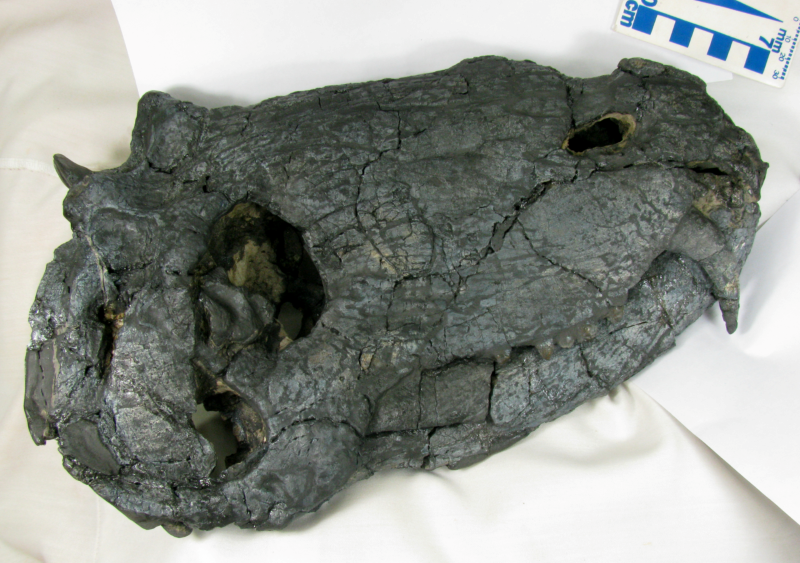
RIO GRANDE DO SUL, BRAZIL – A 265-million-year-old fossil discovered in Rio Grande do Sul, Brazil, reveals Pampaphoneus biccai, the oldest and largest predator yet found in South america, predating the age of dinosaurs. The revelation, detailed in new research, dramatically shifts understanding of the Permian period’s terrestrial ecosystems on the continent.
The remarkably well-preserved fossil surpasses the size of a previously known pampaphoneus specimen and provides unprecedented insight into the animal’s physical characteristics. Scientists estimate the massive predator reached nearly three meters (almost 10 feet) in length and weighed around 400 kilograms (880 pounds).
“Pampaphoneus played the same ecological role as modern big cats,” explained Professor Felipe Pinheiro, a lead researcher on the project.”It was the largest terrestrial predator we know of from the Permian in South America. The animal had large, sharp canine teeth adapted for capturing prey. Its dentition and cranial architecture suggest that its bite was strong enough to chew bones, much like modern-day hyenas.”
Researchers have also identified a fragment of a jaw potentially belonging to an even larger Pampaphoneus individual – possibly twice the size of the recent find. This suggests the species exhibited significant size variation.
The fossil site has also yielded remains of potential prey animals, including the small dicynodont Rastodon and the massive amphibian Konzhukovia, offering a glimpse into the Permian food web. The Pampa region of Brazil is increasingly recognized as a hotspot for paleontological discoveries, promising further breakthroughs in understanding ancient life.
