
Rising Tax Concerns Spark Protests Across Indonesia,But Future Remains Uncertain
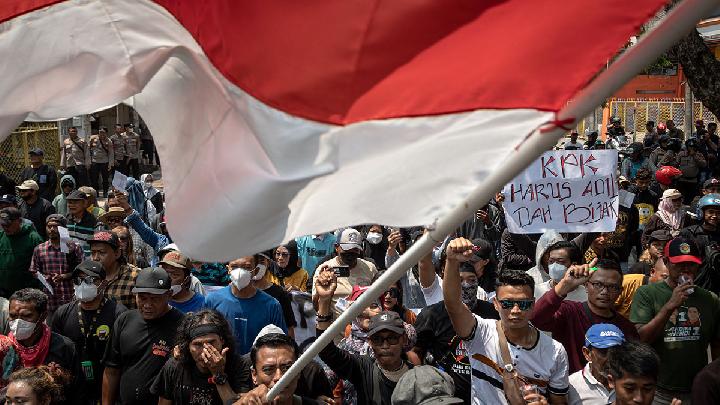
Recent increases in local taxes are triggering protests and discontent across several regions of Indonesia,though the longevity of these movements remains questionable. Demonstrations have erupted in Bone, South Sulawesi, specifically against tax hikes. Residents of Cirebon, West Java, and jombang, East Java, have also voiced complaints regarding property tax increases, some reporting jumps of up to 1,000 percent. Social media is playing a significant role in disseminating information and mobilizing opposition.
However, analysts suggest these spontaneous movements may be short-lived. Historically, organically formed opposition tends to dissipate quickly, particularly when political leaders offer promises of resolution. Logistical challenges also contribute to this potential decline.
The protests in Pati, Central Java, serve as a recent example. Demonstrations subsided following a plenary session held by the Regional Legislative Council to discuss a right of inquiry, possibly leading to the removal of Regent Sudewo. the outcome of this inquiry remains uncertain due to ongoing political lobbying. Organizers are facing difficulties in mobilizing a second wave of protests, as initial momentum has waned and the government has initiated efforts to quell dissent, including deploying celebrities and social media influencers to Pati.
A key concern is that the political elite in Jakarta does not perceive the events in Pati as a broader expression of public dissatisfaction with national government policies. Critics argue that a reevaluation of policies in response to public opposition is necessary.
While several regional heads have reversed decisions to increase land and building taxes, these actions are attributed to a desire to avoid political instability, similar to the situation faced by the Pati regent, rather than a recognition of flawed policies. The Pati case has highlighted the risk of facing large-scale demonstrations and the potential for a right of inquiry leading to removal from office.This political risk is also a concern for national leaders, including Prabowo subianto. Despite reportedly expressing anger with Regent Sudewo, Subianto is hesitant to support his dismissal, fearing that removing a regional head could trigger similar actions in other areas, potentially escalating to the national level and threatening his own position.Subianto also faces the possibility of protests and calls for his removal if he does not address concerns surrounding his enterprising lighthouse projects. A complete re-examination of current government programs is being urged.
