
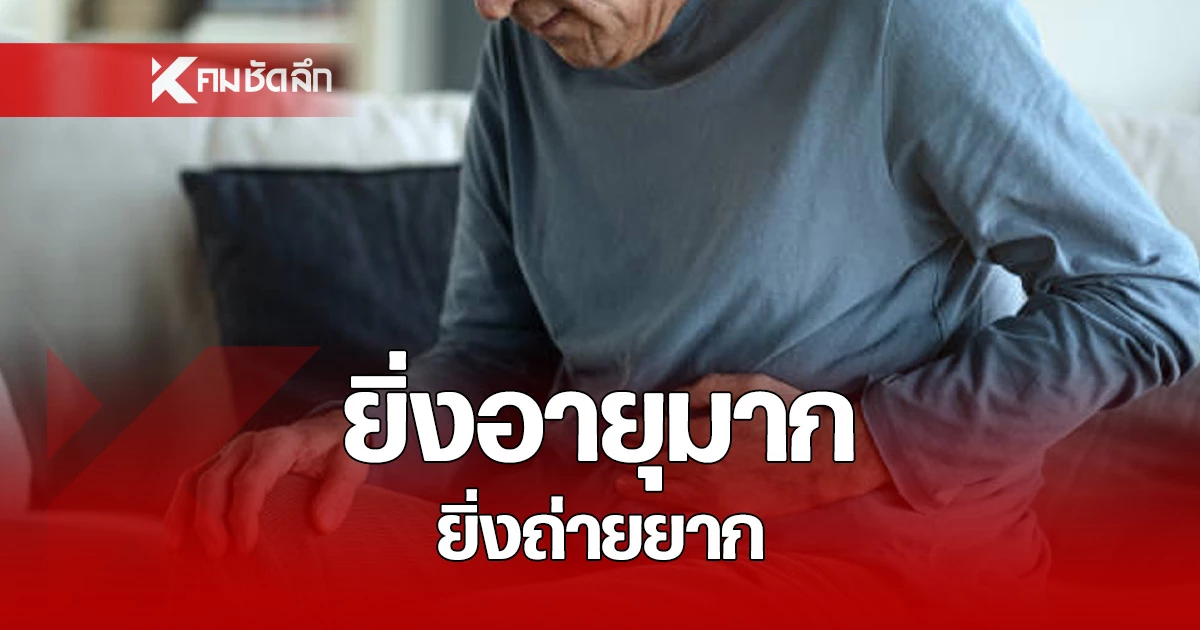
As we age, changes in our bodies can substantially impact digestive health, leading to a common issue: constipation. This isn’t merely an inconvenience; it can signal underlying health concerns and diminish quality of life. Understanding the factors contributing to this condition and implementing proactive solutions is crucial for maintaining overall well-being.
The Slowing of Intestinal Function
Our intestines rely on muscular contractions, known as peristalsis, to move waste through the digestive system. With age, these contractions often become slower and less efficient. This reduced motility allows waste to remain in the colon for an extended period, leading to harder stools and increased difficulty with bowel movements. Prolonged constipation can elevate the risk of developing hemorrhoids or, in more serious cases, colon cancer.
Did You Know? Constipation affects approximately 16-30% of adults, with the prevalence increasing with age ([[[[National Institute of Diabetes and Digestive and Kidney diseases]).
Actionable Solutions
- Increase Physical Activity: Regular exercise stimulates intestinal muscles.
- Dietary Adjustments: Incorporate foods rich in fiber,such as papaya,bananas,and flax seeds,to promote bowel regularity.
- Probiotic Enhancement: Support gut health by increasing probiotic intake, fostering a balanced microbiome.
Weakening Abdominal and pelvic Muscles
Effective bowel movements aren’t solely dependent on intestinal function. They also require the coordinated effort of abdominal and pelvic muscles. As we age, these muscles naturally weaken, making it harder to initiate and complete bowel movements. Straining can lead to hemorrhoids or, in women, pelvic floor dysfunction.
Strengthening Exercises and Proper Positioning
- Pelvic Muscle Exercises: Practice Kegel exercises to strengthen pelvic floor muscles.
- optimal Positioning: When using the toilet, ensure your feet are supported-consider using a small stool to elevate them-to facilitate easier passage.
- Muscle-Supporting Diet: Consume foods that support muscle health, such as tofu and eggs.
Pro Tip: Maintaining adequate hydration is essential for soft stools and easier bowel movements. Aim for at least eight glasses of water daily.
Hormonal Shifts and Medication Effects
Hormonal changes associated with aging, especially menopause in women and decreased testosterone in men, can directly impact intestinal function. Moreover, many medications commonly prescribed to older adults-including pain relievers, antidepressants, and Parkinson’s disease medications-can contribute to constipation as a side effect.
- Medical Consultation: Discuss potential constipation-causing side effects with your doctor.
- Metabolic Support: Consider dietary supplements that stimulate metabolism, such as magnesium found in bananas, beans, and leafy greens.
- Probiotic Supplementation: Continue to prioritize probiotics to maintain gut balance.
| Factor | Impact on Bowel Function | Potential Solution |
|---|---|---|
| Slowing Intestines | Reduced peristalsis, harder stools | Increased fiber intake, exercise |
| Weakened Muscles | Difficulty initiating bowel movements | Pelvic floor exercises, proper positioning |
| Hormonal Changes | Disrupted intestinal motility | Medical consultation, metabolic support |
age-related constipation is a multifaceted issue, but it’s often manageable through lifestyle adjustments. If constipation becomes severe or interferes with your daily life, don’t hesitate to seek medical attention. Prioritizing digestive health is a vital component of overall well-being.
What strategies have you found most effective in managing your digestive health? Are there any specific dietary changes that have made a noticeable difference for you?
The prevalence of constipation is expected to rise alongside the aging global population. Emerging research focuses on the gut microbiome’s role in digestive health and the potential of personalized dietary interventions.Understanding the interplay between lifestyle, genetics, and the gut microbiome will be key to developing more effective preventative and treatment strategies. Furthermore, the increasing awareness of the gut-brain connection highlights the importance of addressing not only the physical symptoms of constipation but also any associated psychological factors like stress and anxiety.
Frequently Asked Questions
- Q: What is the primary cause of constipation in older adults?
A: A combination of factors, including slower intestinal motility, weakened abdominal muscles, hormonal changes, and medication side effects.
- Q: Can diet alone resolve age-related constipation?
A: While diet is crucial, it’s often most effective when combined with exercise and, if necessary, medical guidance.
- Q: Are probiotics safe for seniors?
A: Generally, yes, but it’s always best to consult with a doctor before starting any new supplement regimen.
- Q: When should I see a doctor about constipation?
A: If constipation is severe, persistent, accompanied by other symptoms (like blood in the stool), or interferes with your daily life.
- Q: What role does hydration play in preventing constipation?
A: Adequate hydration is essential for softening stools and facilitating easier bowel movements.
We hope this article has provided you with valuable insights into understanding and overcoming age-related constipation. If you found this information helpful, please share it with your friends and family! We also welcome your comments and questions below. Don’t forget to subscribe to our newsletter for more health and wellness updates.
