
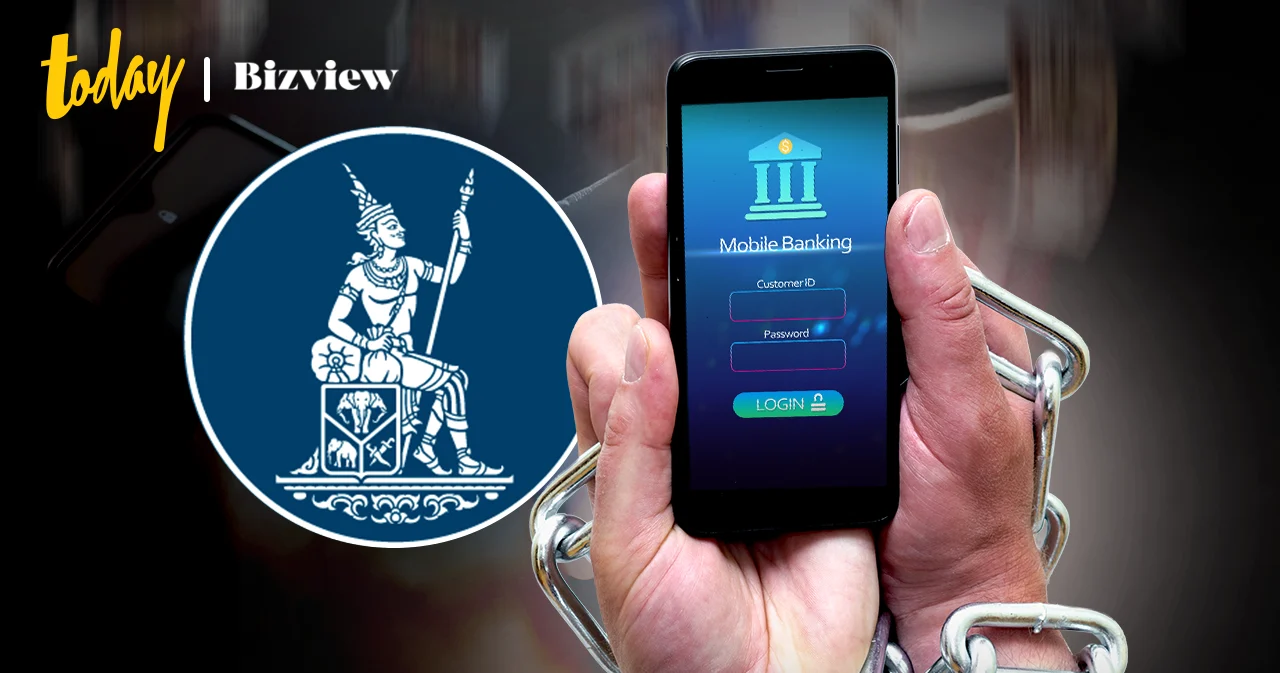
Thailand Implements New Transfer Limits to Combat Rising Financial Fraud
Table of Contents
Bangkok, Thailand – Authorities in Thailand are taking strategic action to curb the escalating problem of “authorized payment fraud,” where individuals are tricked into voluntarily transferring funds to scammers. The Bank of Thailand (BOT) announced new measures effective August 8, 2025, including daily transfer limits, to protect citizens from increasingly complex financial crimes.
The Scale of the Problem
Recent data from the Bank of Thailand reveals a concerning trend. As of late June 2025,over 24,500 individuals have fallen victim to these scams,resulting in a total loss of 2.8 billion baht – an average of 114,000 baht per person. Shockingly,some victims have lost as much as 4.9 million baht in a single transaction.
The most common types of fraud include:
| Fraud Type | Total Losses (Baht) |
|---|---|
| Investment Scams | 933 million |
| Prize Scams (Transfer to Recieve) | 702 million |
| Income-Generating Scams | 498 million |
| Phone-Based Intimidation & Fraud | 345 million |
A key vulnerability lies in the size of individual transactions, with some exceeding 5 million baht. These larger transfers frequently enough occur through branch channels, as online limits were previously higher.
Approximately 22% of fraudulent transactions involve continuous transfers exceeding 50,000 baht, accounting for three-quarters of the total damages. This highlights the importance of addressing larger, repeated transactions.
Did You Know? The average loss per victim is 114,000 baht, but some individuals have lost nearly 5 million baht in a single fraudulent transaction.
New Measures by the Bank of Thailand
Daranee Saeju, Assistant Governor of the Bank of Thailand’s Payment system Direction and Financial User Protection, stated that the BOT has issued new standards for financial institutions to prevent technology-related crime. These standards are based on five core principles: addressing issues at the source, clear implementation, alignment with the Thai context, adherence to international standards, and public awareness.
Daily Transfer Limits
In collaboration with the Thai bank Association, the BOT is upgrading preventative measures by implementing daily transfer and payment limits through digital channels. These limits will be tailored to each customer’s risk profile and transaction history.
The primary goals of these measures are to limit the speed at which criminals can move stolen funds and to reduce the overall damage to victims, especially vulnerable populations like children and the elderly. According to a 2023 report by the Federal Trade Commission, older adults are disproportionately targeted by financial scams [FTC Report].
Pro Tip: Regularly review your bank statements and report any suspicious activity instantly to your financial institution.
Customer Groupings and Transfer Limits
Banks will categorize customers into three groups – S, M, and L – based on their risk profiles. The limits will be adjusted accordingly:
- Group L: Can transfer more than 200,000 baht per day.
- Group M: Can transfer up to 200,000 baht per day.
- Group S: Limited to transfers of 50,000 baht per day.
Customers will be assigned to groups based on factors such as financial history, salary, and assets. Group S includes individuals considered most at risk, including new customers, those with limited financial information, and vulnerable individuals like children under 15 or seniors over 65. Customers can request adjustments to their limits by contacting their financial institution.
Are you concerned about how these new limits might affect your daily transactions? What steps will you take to protect yourself from financial fraud?
Looking Ahead: The Future of Financial Fraud Prevention
The rise of sophisticated scams necessitates a multi-faceted approach to financial security. Beyond transfer limits, experts predict increased investment in artificial intelligence (AI) and machine learning to detect and prevent fraudulent transactions in real-time. Moreover, ongoing public awareness campaigns are crucial to educate citizens about common scam tactics and how to protect themselves. The Bank of Thailand’s proactive measures align with global trends in financial crime prevention, as outlined in the Basel Committee on Banking Supervision’s guidance on operational risk [Basel Committee Guidance].
Frequently Asked Questions
- What is ‘authorized payment fraud’? It’s when you are tricked into willingly transferring money to a scammer.
- How much money have people lost to fraud in Thailand? Over 2.8 billion baht has been lost as of late June 2025.
- What are the new transfer limits? Limits range from 50,000 baht to over 200,000 baht per day, depending on your risk profile.
- How will my bank determine my transfer limit? Your bank will consider your transaction history, salary, and assets.
- Can I request a higher transfer limit? Yes, you can contact your bank to request an adjustment.
- What should I do if I suspect I’ve been scammed? Immediately contact your bank and report the incident to the authorities.
We hope this information empowers you to stay safe and secure in the digital financial landscape. Please share this article with your friends and family to help raise awareness about these significant issues. Have thoughts or questions? Leave a comment below – we’d love to hear from you!
