
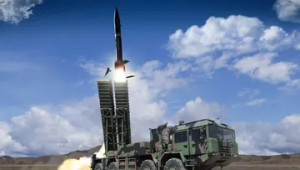
Indonesia Deploys Modern Ballistic Missile System,Shifts Regional Power Dynamics
Table of Contents
East Kalimantan,Indonesia – in a landmark move signaling a important upgrade to its defence capabilities,Indonesia has become the first nation in Southeast Asia to deploy a modern ballistic missile system. The deployment of Turkiye‘s KHAN short-range ballistic missile (SRBM) occurred just days before the contry’s 80th Independence Day festivity, marking a pivotal moment in the region’s evolving security landscape.
Strategic Deployment and System Details
The initial contingent of KHAN missiles has been stationed at the 18th Field Artillery battalion in East Kalimantan, according to Indonesian Army spokesman Brigadier General Wahyu Yudhyana, who announced the progress on August 11, 2025. While the missiles are currently in place,full operational transfer to the Army awaits the arrival of a second batch as part of a broader procurement program initiated by the Defense Ministry.
The KHAN missile, also known as the Bora within Turkiye, boasts a range of under 1,000 kilometers and is capable of delivering a 570-kilogram warhead with pinpoint accuracy-reported to be less than 10 meters.
Did You Know?
This level of precision is achieved through the missile’s advanced guidance system, incorporating GPS, GNSS, and inertial navigation technology.
Designed to target critical infrastructure, the KHAN is intended to strike high-value assets such as radar installations, command centers, and hardened bunkers. This acquisition represents a significant leap in Indonesia’s ability to deter potential threats and project power within the region.
technology Transfer and Regional Implications
The defense agreement with Turkiye extends beyond the mere purchase of missiles. Murat İkinci, CEO of Roketsan, the KHAN’s manufacturer, emphasized that the deal encompasses a extensive technology transfer program. This includes intellectual property licensing, extensive production training, and capacity building initiatives designed to empower Indonesian engineers and foster a robust domestic defense industry.
This strategic partnership aims to not only enhance Indonesia’s immediate defense posture but also to establish a long-term foundation for self-reliance in advanced weapons systems. The move is widely seen as a exhibition of Indonesia’s commitment to modernizing its armed forces and asserting its role as a key security player in Southeast Asia.
Regional military analysts suggest that Indonesia’s acquisition of the KHAN system sets a new precedent. While several Association of Southeast Asian Nations (ASEAN) countries are believed to possess some form of ballistic missile capability, Indonesia is the first to field a demonstrably modern system. This development is prompting a reassessment of regional defense strategies and potentially triggering a new arms race.
Comparative Ballistic Missile Capabilities in Southeast Asia
| Country | Missile System | Estimated Range |
|---|---|---|
| indonesia | KHAN (Bora) | Under 1,000 km |
| Vietnam | Scud (Soviet-era) | 300-600 km |
| Vietnam | Hwasong-6 (North Korea) | 300-600 km |
| myanmar | Hwasong-5 (North Korea) | Unknown |
| Myanmar | BP-12A (China) / SY-400 | Unknown |
Vietnam currently maintains older Scud missiles originating from the Soviet Union,alongside North Korea’s Hwasong-6,with ranges between 300 and 600 kilometers. Myanmar has reportedly acquired North Korea’s Hwasong-5 and China’s BP-12A integrated with the SY-400 platform, though operational status remains unconfirmed.
Pro Tip:
understanding the nuances of ballistic missile technology requires considering factors like guidance systems, payload capacity, and range, all of which contribute to a nation’s strategic capabilities.
What impact will Indonesia’s missile deployment have on regional stability? And how will other ASEAN nations respond to this shift in the balance of power?
Indonesia’s Defense Modernization: A Broader Context
Indonesia’s pursuit of advanced defense capabilities is part of a broader, decade-long effort to modernize its armed forces. This initiative is driven by several factors, including the country’s vast archipelago, its strategic location along vital sea lanes, and growing concerns about regional security challenges. The acquisition of the KHAN missile system represents a significant milestone in this ongoing process, demonstrating Indonesia’s commitment to safeguarding its sovereignty and protecting its national interests.Indonesia’s defense spending has steadily increased in recent years, reflecting a growing recognition of the need for a robust and modern military. This modernization program extends beyond missile systems to include naval vessels, fighter aircraft, and advanced surveillance technologies.
Frequently Asked Questions about Indonesia’s Ballistic Missile System
- What is the KHAN missile? The KHAN is a short-range ballistic missile manufactured by Roketsan of Turkey, known for its accuracy and advanced guidance systems.
- Why did Indonesia acquire the KHAN missile? Indonesia sought to enhance its defense capabilities,deter potential threats,and establish itself as a regional leader in military technology.
- What is the range of the KHAN missile? The KHAN has a range of under 1,000 kilometers.
- What are the implications of this deployment for Southeast Asia? This deployment marks a significant shift in the regional security landscape, potentially prompting other nations to bolster their own defense capabilities.
- Does the deal include technology transfer? Yes, the agreement with Turkey includes technology transfer, production training, and capacity building for Indonesian engineers.
This article provides data based on publicly available sources and is intended for general knowledge purposes only.
We hope you found this report insightful.share it with your network, leave a comment below, or subscribe to our newsletter for more breaking news and in-depth analysis.
